The Southern Bookseller Review 8/26/25
|
|
|
|

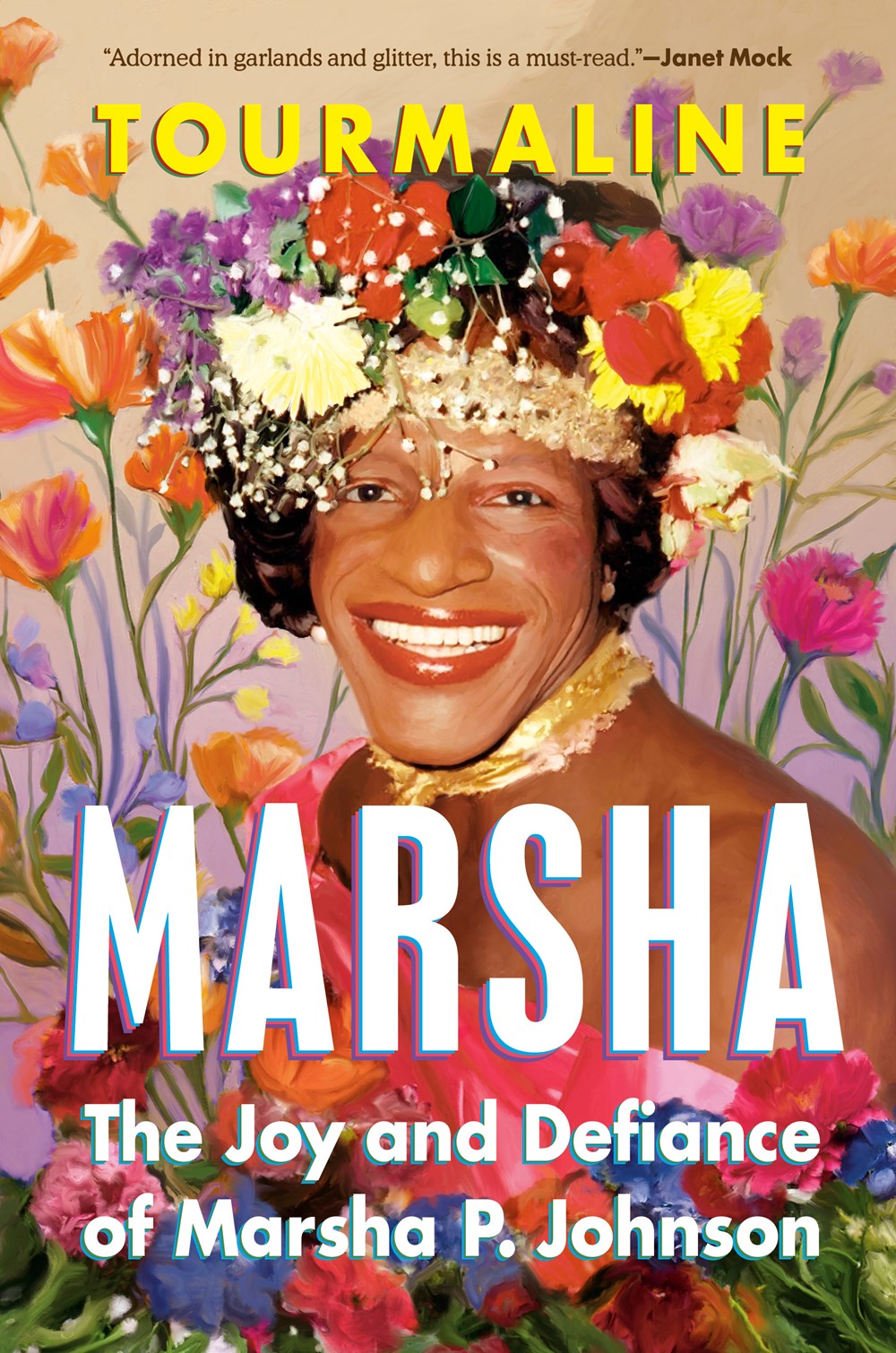
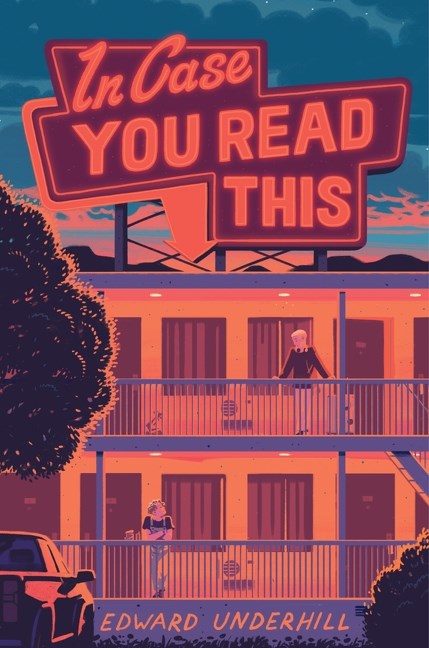
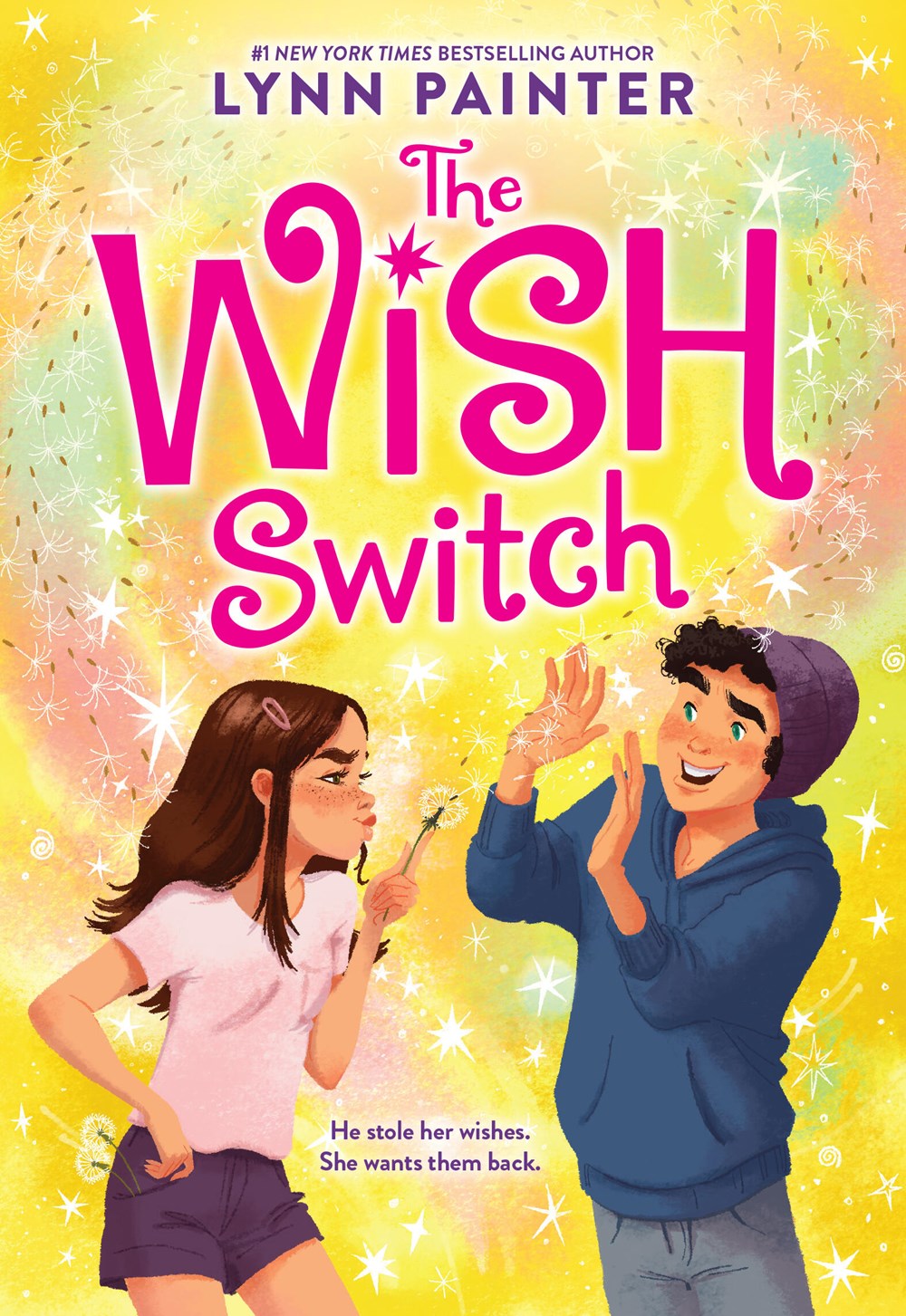
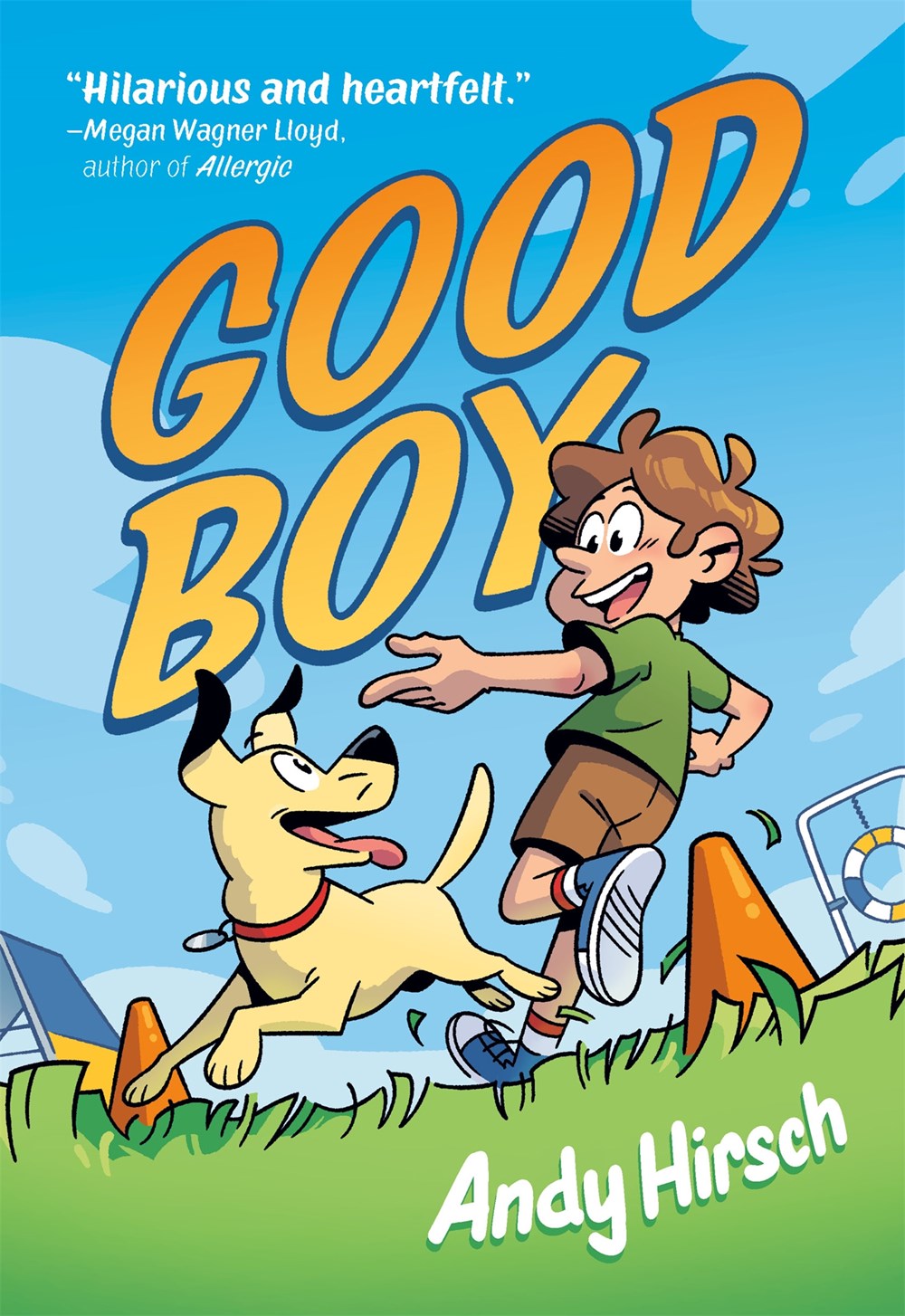
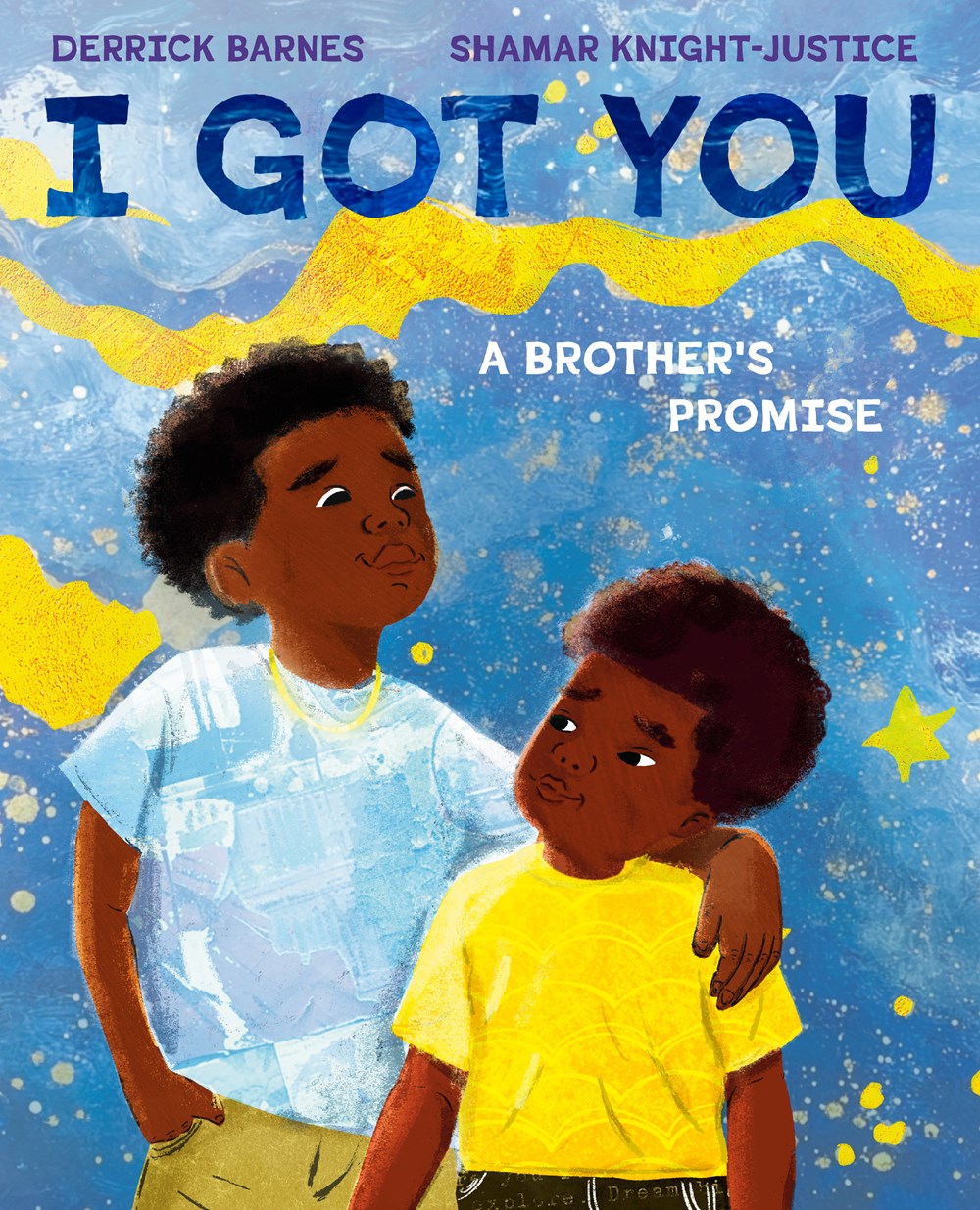
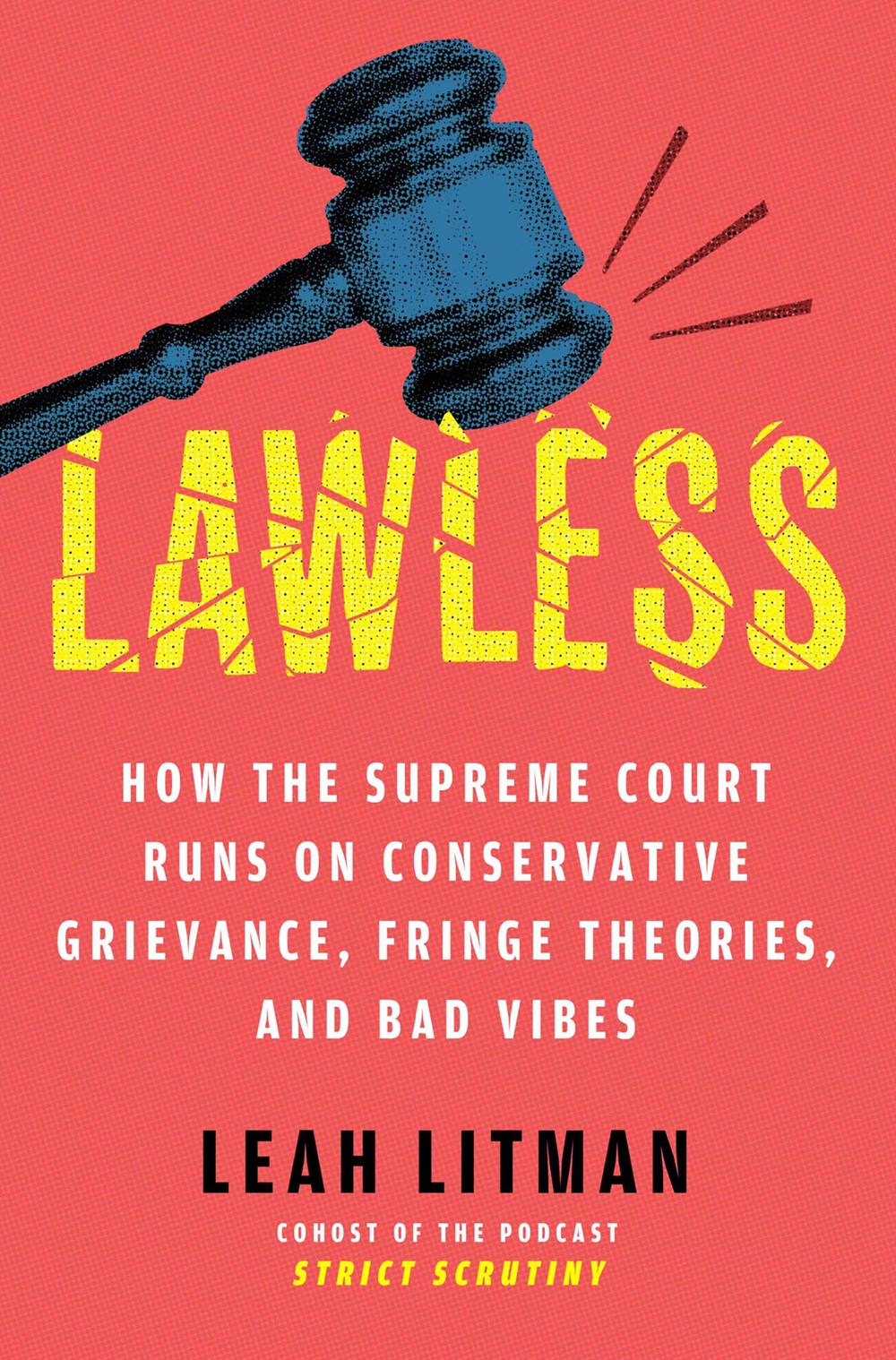
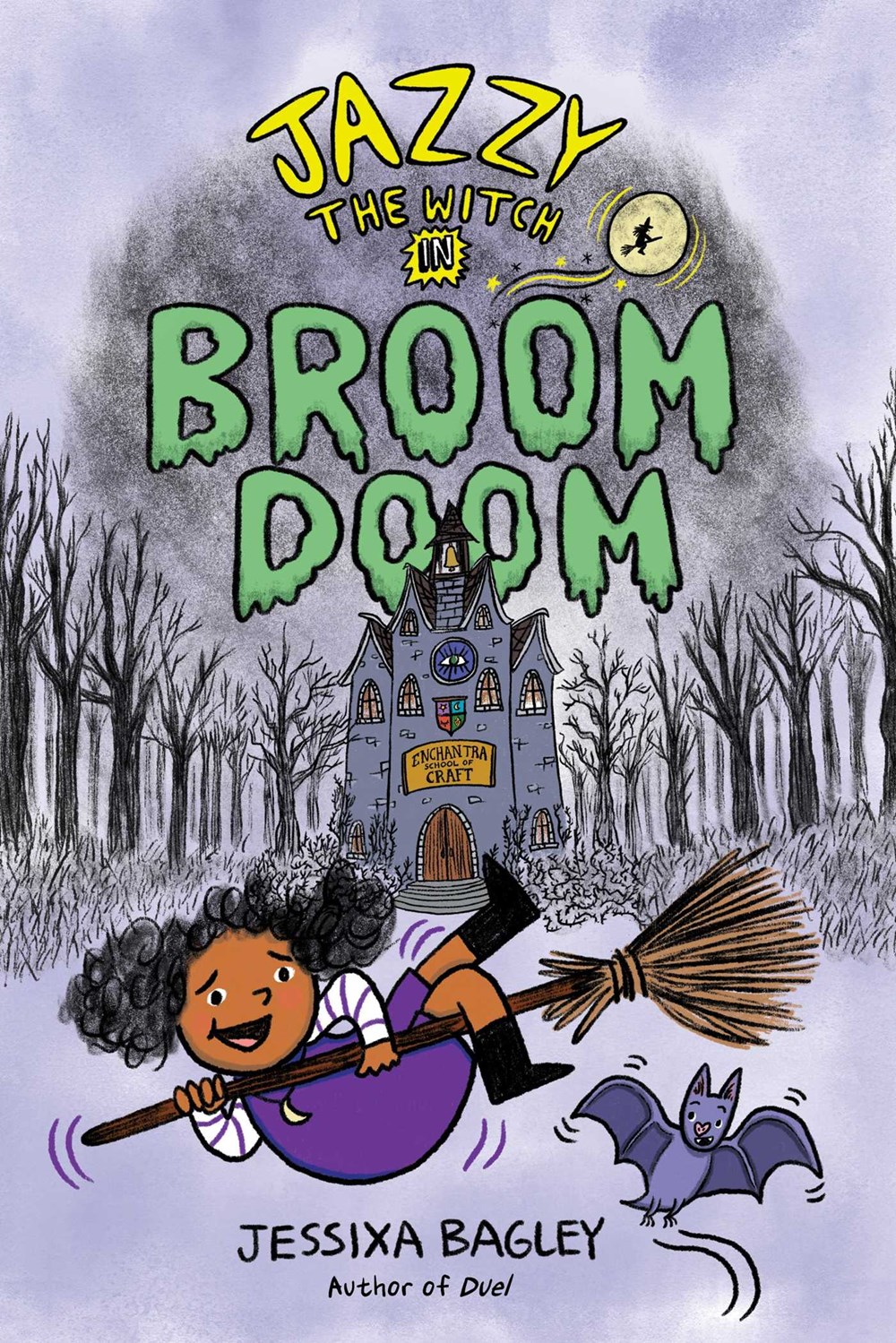
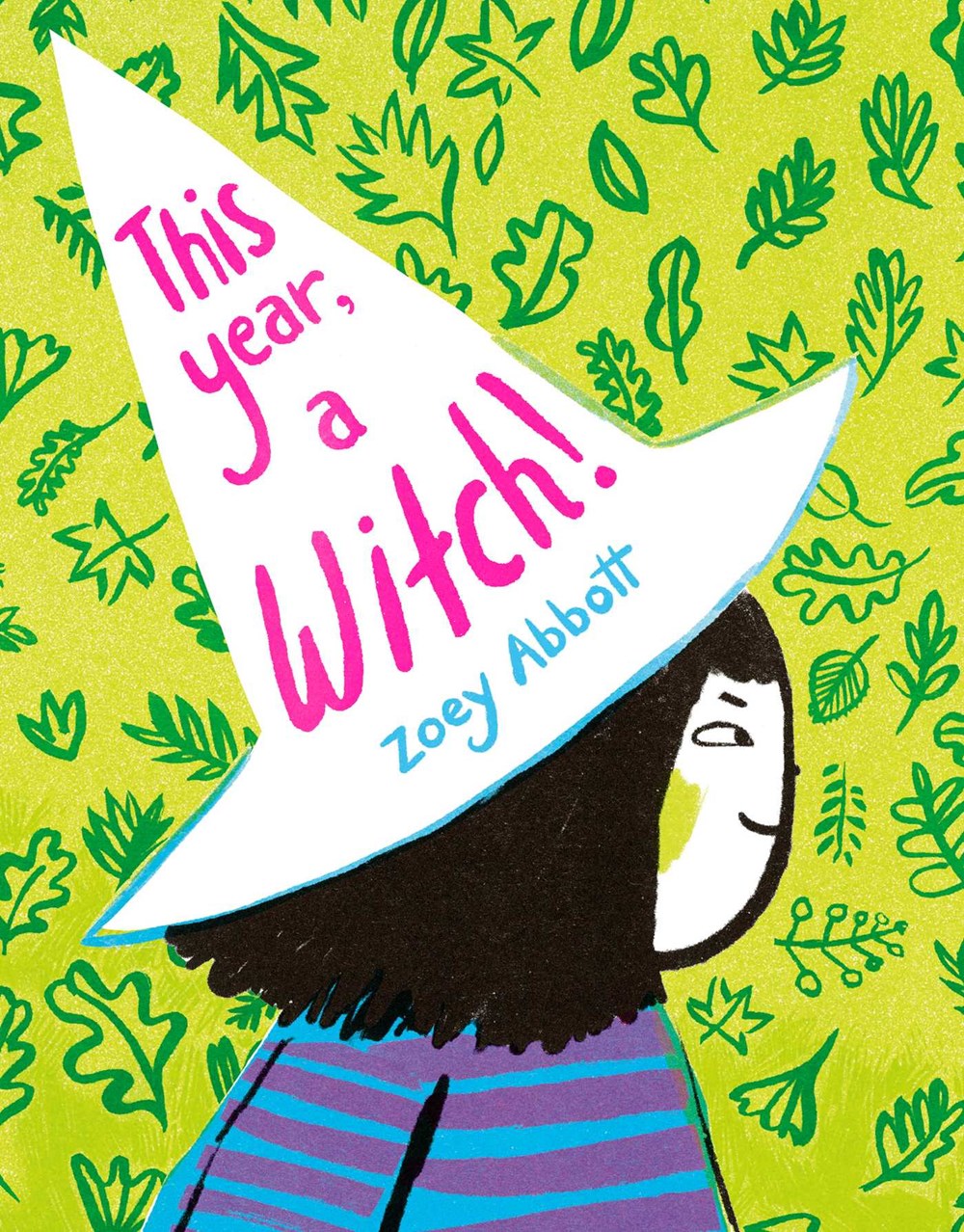
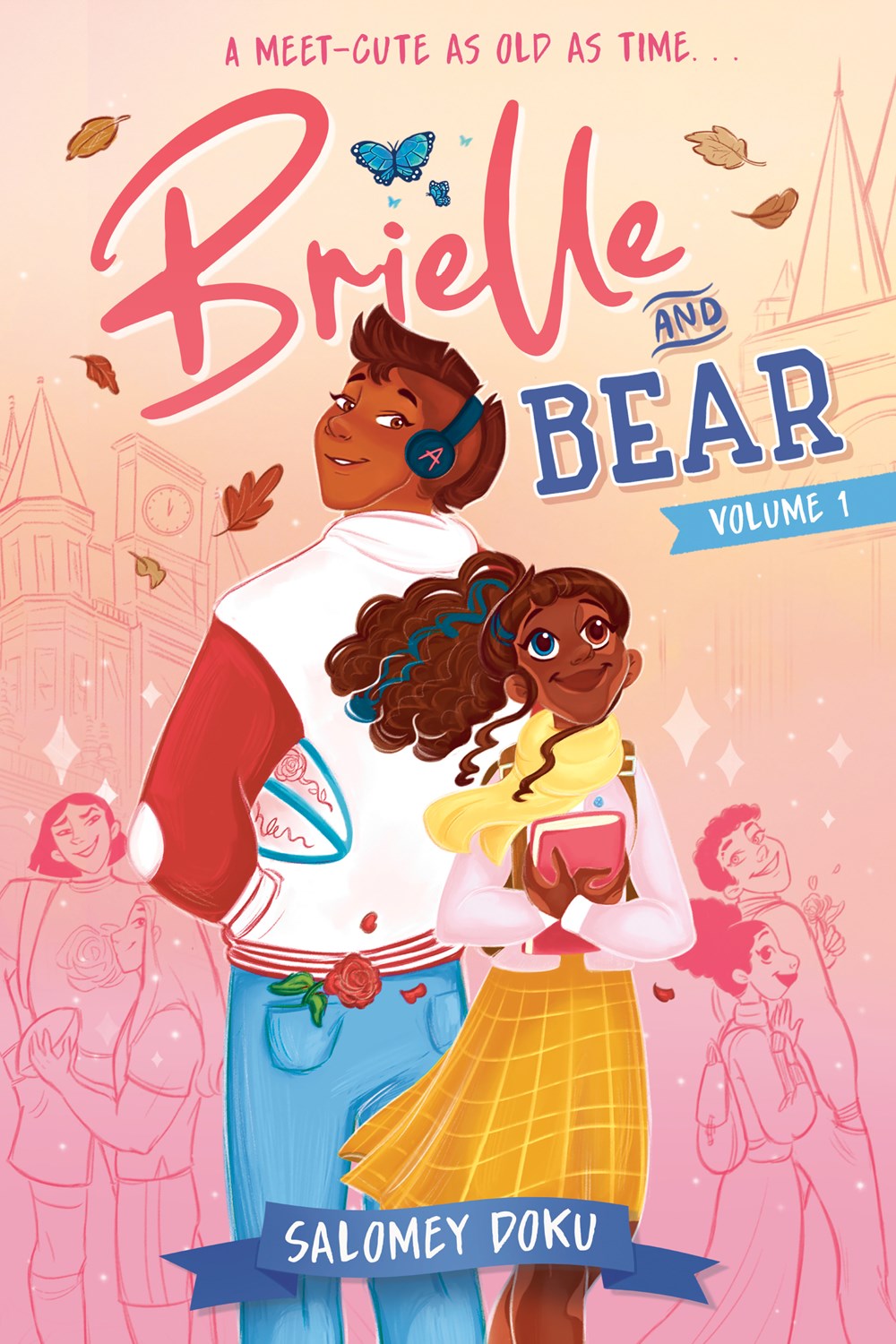
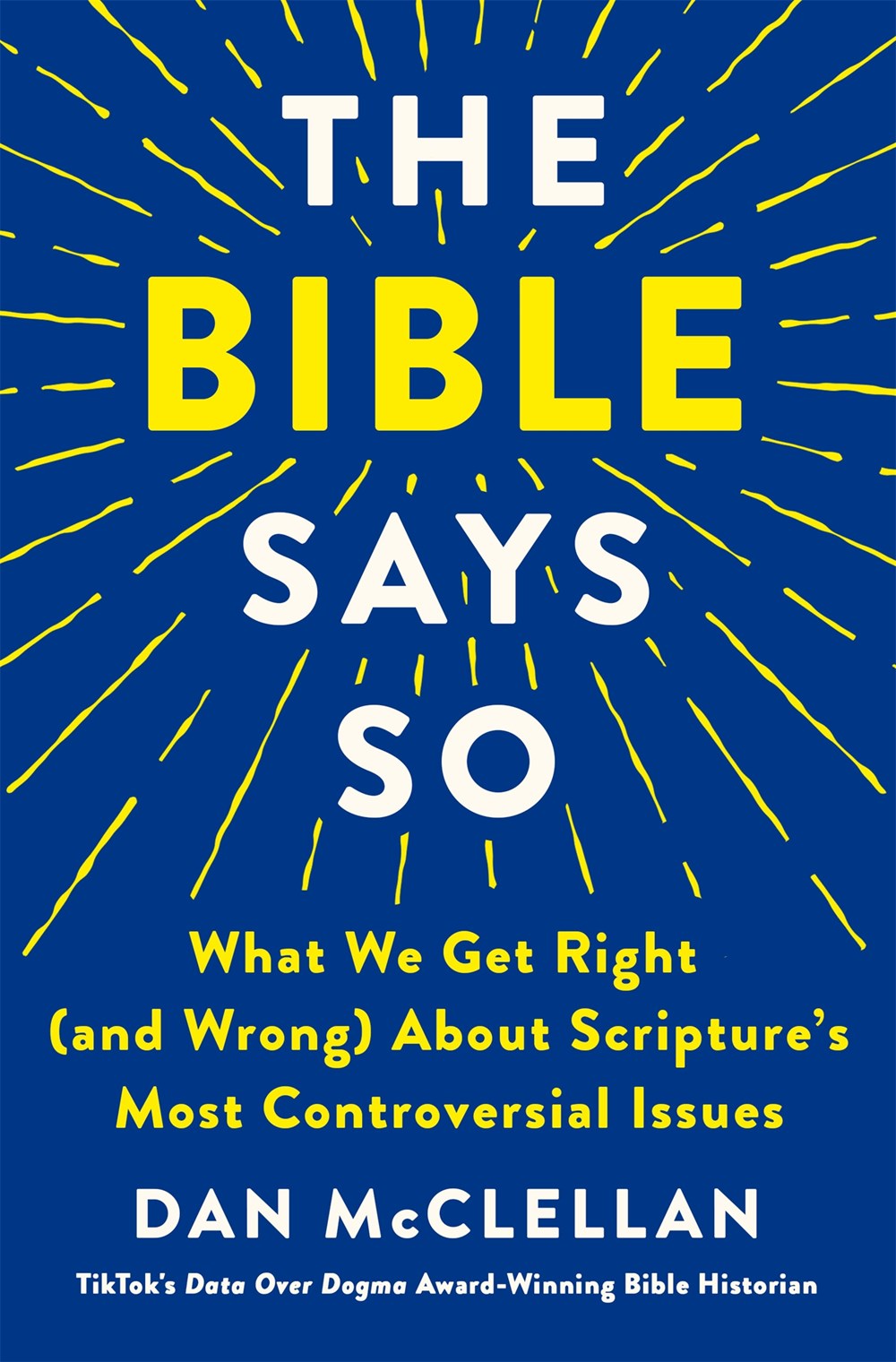
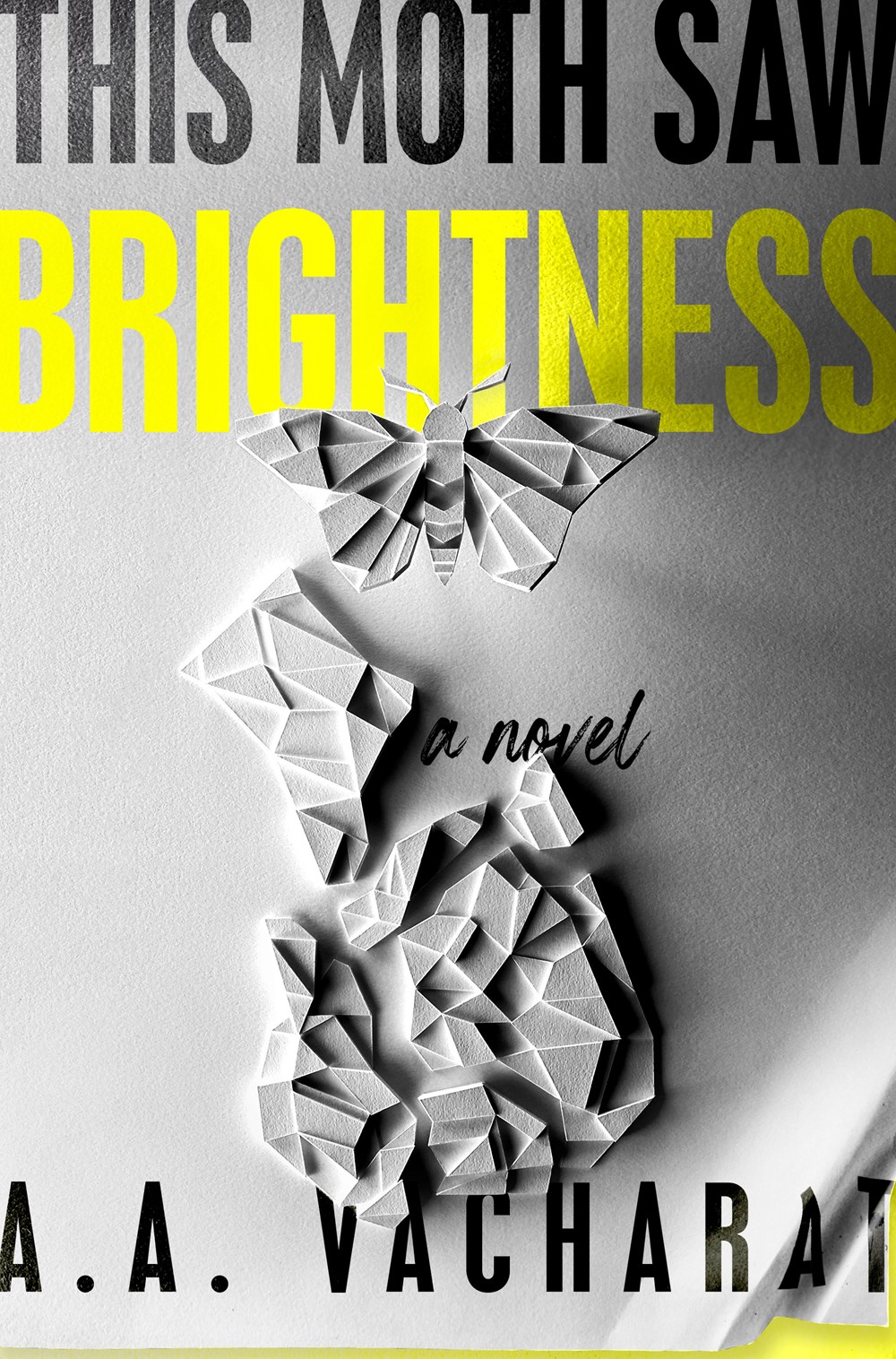
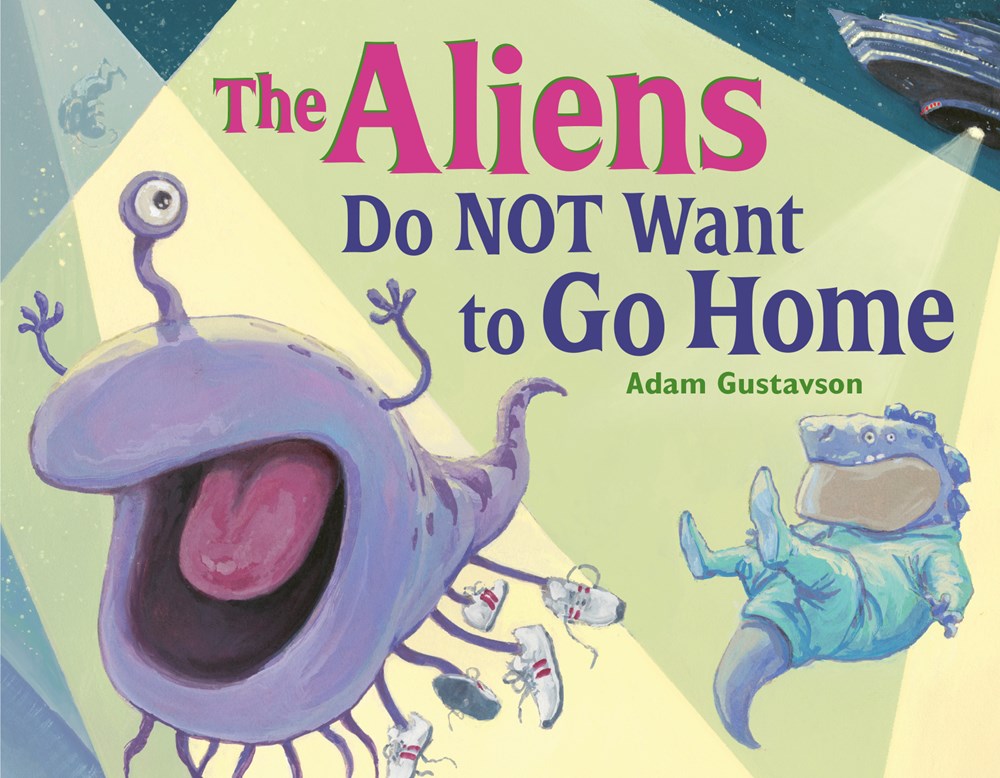
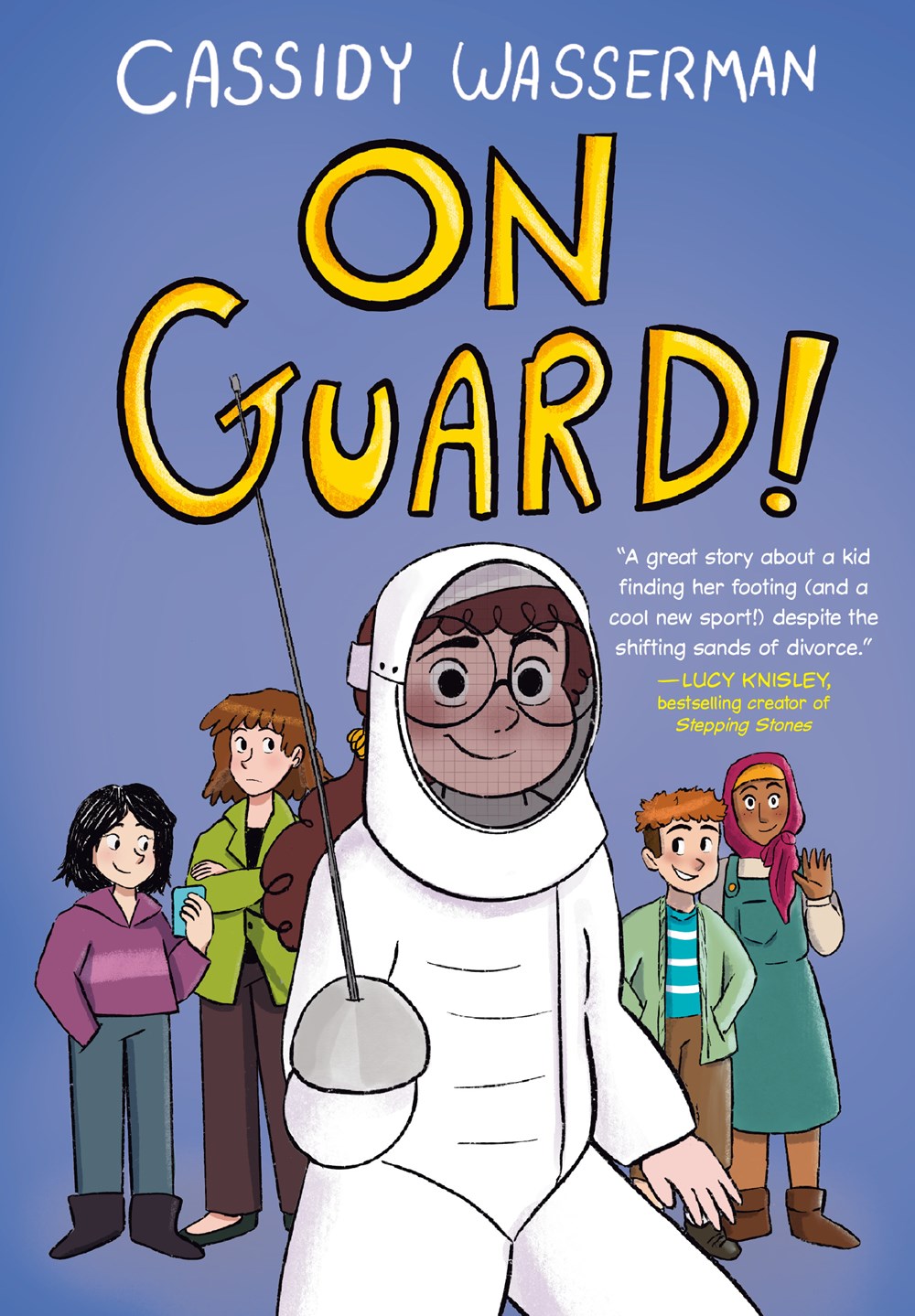
The week of August 26, 2025 A Back to School Book List!  “Stories can conquer fear, you know. They can make the heart bigger.” ―Ben Okri The month of September means many things in the South, but one thing it means to all people is the beginning of the school season. No matter what your age, first time kindergartner or rising college sophomore, it is a time full of both promise and trepidation for what is ahead. This week’s reading list, appropriately filled with both new and older books, is dedicated to going, and going back to, school. The Queen of Kindergarten by Derrick Barnes Recess by Lane Smith The First Week of School by Drew Beckmeyer The Yellow Bus by Loren Long A Smart, Smart School by Sharon Creech, Anait Semirdzhyan (Illus.) Battle of the Bands by Lauren Gibaldi (Editor) This Thing of Ours by Frederick Joseph Read This Now | Read This Next | Book Buzz | The Bookseller Directory |


|
|
|
|
|
|
Read This Now! Recommended by Southern indies… |

|
|
Love Is a War Song by Danica Nava Adult Fiction, Fiction, Indigenous, Romance, Romantic Comedy, Western I spent the last 30 minutes of reading Love Is a War Song in tears. They were very emotional tears- sad, and then happy, but I found the story so moving, I didn’t even realize I was actively crying. Avery Fox’s journey to finding herself, what mattered to her, and happiness really touched me. I loved how intricate Love Is a War Song is. The story isn’t just about Avery, but it’s also about Lucas Iron Eyes, Lottie (Avery’s grandmother), and those who also live on the ranch. Danica Nava’s sophomore novel is incredible. I couldn’t put it down and I really resonated with the themes of identity and family, among others. I’m so impressed Danica actually wrote a song to go in the book and I can’t wait to hear it be played. I loved every minute of reading Love Is a War Song. I need more cowboy romances like this one, ones that showcase the myriad experiences and peoples who live this life daily. Love Is a War Song is real, in ways you wouldn’t expect from a celebrity-cowboy romance, and I love it all the more for it. Reviewed by Preet Singh, Eagle Eye Book Shop in Decatur, Georgia |
|
|
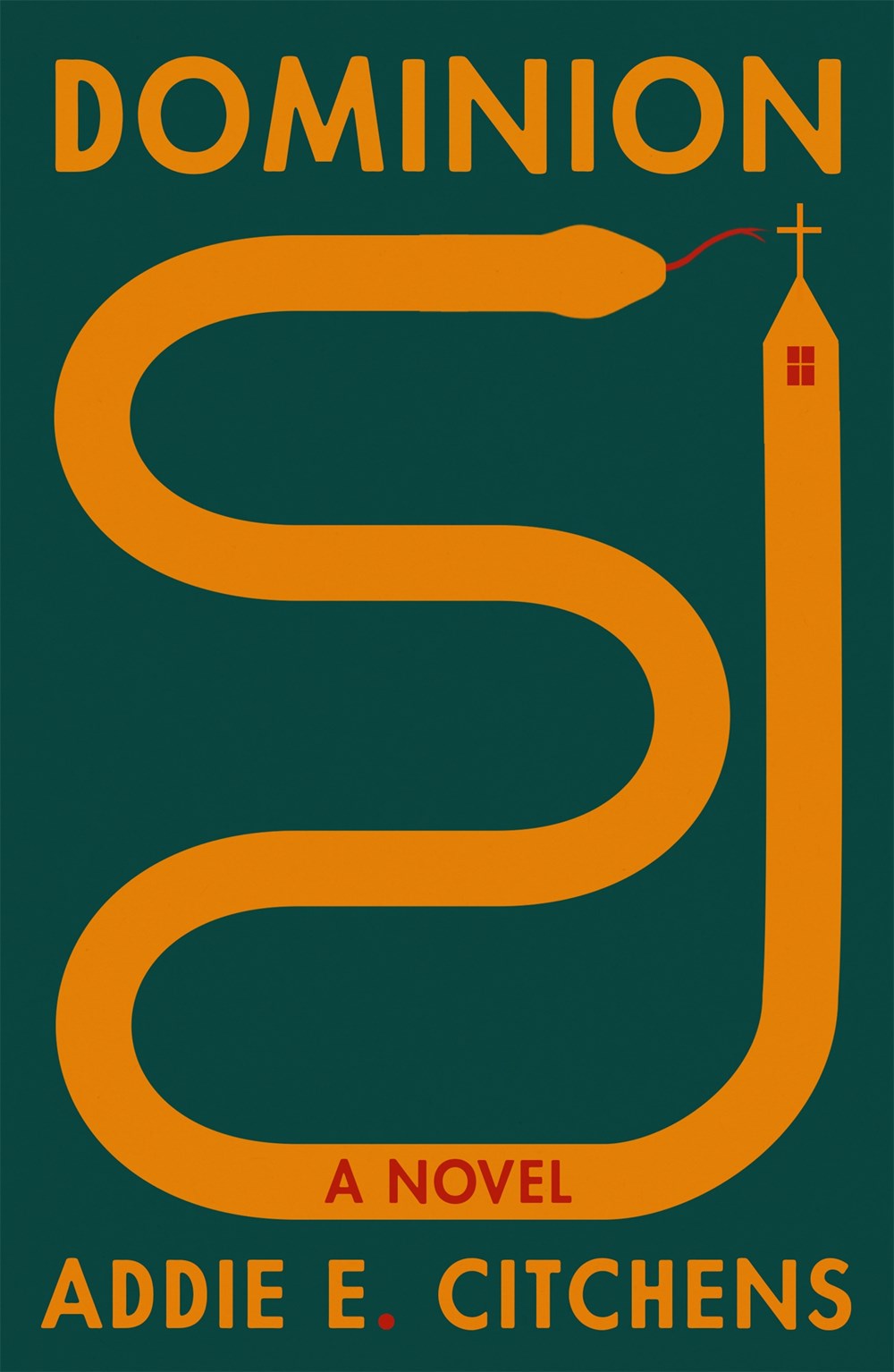
Dominion by Addie E. Citchens Adult Fiction, African American & Black, Fiction The story of the downfall of a prominent Mississippi Delta preacher and his family as told through the eyes of two unforgettable female narrators. I read this in about 24 hours. Citchens brings this world fully to life. Reviewed by Kat Leache, Novel in Memphis, Tennessee |
|
|
|
|

|
|
You Weren’t Meant to Be Human by Andrew Joseph White Fiction, Horror You Weren’t Meant to Be Human by Andrew Joseph White is a roller coaster of raw, unsettling, and yet, beautiful human emotions. This is White’s first adult horror novel and please be warned, this book is scary as hell. Crane is a mute, autistic, trans man, who has been assisting in the invasion of an alien infestation known as “the Hive”. When Crane suddenly finds out he is pregnant and the Hive demands the birth of the child at all costs, Crane’s resistance and desperation to end the pregnancy sets off a series of events that cause a whirlwind of panic, anger, and violence that no one could have anticipated. Andrew Joseph White has literally taken the rough and gritty underbelly of small town gas station, added literal piles of “worms and flies” or “the Hive” and created one of the scariest settings I’ve read in a long time. White has a natural way of writing body horror that pushes every boundary and deliberately disturbs the reader with stomach-twisting imagery. The book will have readers truly gasping and screaming all the way toward the very last page. (No joke, I had a truly visceral feeling of horror upon finishing the book.) If you are a fan of anxiety-inducing films like Hereditary (2018) and Midsommar (2019) and also love a good gory Alien (1979) movie, you have to check out “You Weren’t Meant to Be Human by Andrew Joseph White when it releases on September 9, 2025. Reviewed by Baldwin Bookseller, Baldwin & Co. in New Orleans, Louisiana |
|
|
|
Bookseller Buzz |
 |
|
Buckeye by Patrick Ryan
Buckeye explores the repercussions of deceit and betrayal, and the winding, sometimes impossible paths we have to travel on our way to making amends. Forgiveness, the novel suggests, isn’t just one decision; it’s a million decisions, made over and over. ― Patrick Ryan, Letter to booksellers Buckeye by Patrick Ryan 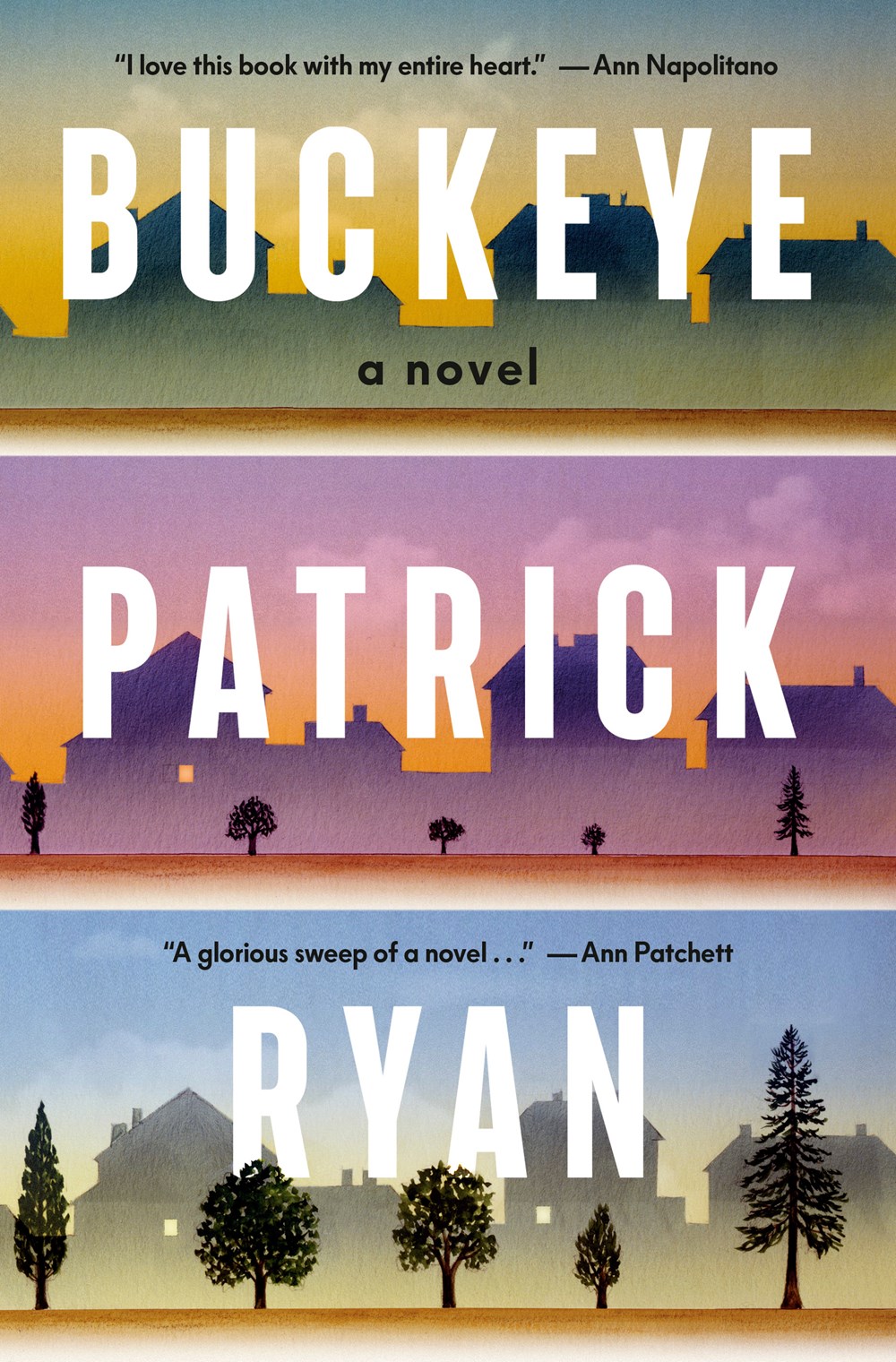
Patrick Ryan is the author of the novel Buckeye. He is also the author of the story collections The Dream Life of Astronauts (named one of the Best Books of the Year by the St. Louis Times-Dispatch, LitHub, Refinery 29, and Electric Literature, and longlisted for The Story Prize) and Send Me. His work has appeared in The Best American Short Stories, the anthology Tales of Two Cities, and elsewhere. The former associate editor of Granta, he is the editor of the literary magazine One Story and lives in New York City. |
 I’ve always been a writer who puts character first, and when I embarked on writing this novel, I was prepared for some deep character dives. But Buckeye is larger in scope and size than anything I’d ever attempted, and I had no idea of the depths that awaited me… What I learned–what I keep learning, as a writer–is that when you bring a lot of characters together, a story emerges, and it’s not always the story you thought you were going to write.
 |

|
|
Automatic Noodle by Annalee Newitz Adult Fiction, Androids, Fiction, Robots & Artificial Intelligences, Science Fiction 
An August Read This Next! Title The cozy small business success story of Legends & Lattes meets the progressive sci-fi of Becky Chambers, with a flavor entirely its own, in this fresh, heartwarming tale about a motley crew of robots launching a restaurant amid PTSD, prejudice, and review bombing in a future post-war San Francisco. I ATE this book UP and already miss the team at Automatic Noodle and all the friendship, pride, and love found at the bottom of a bowl of their famous biang biang noodles! Reviewed by Megan Bell, Underground Books in Carrollton, Georgia |

|
|
Mother Mary Comes to Me by Arundhati Roy Adult Nonfiction, Biography & Autobiography, Literary Figures When I moved to the US, I brought only two boxes of books with me, forcing me to choose only the most essential from the many that lined my shelves: my well-thumbed copy Arundhati Roy’s The God of Small Things was one of the precious few that made the cut. So it’s fair to say that I was predisposed to love Mother Mary Comes to Me. This extraordinary memoir is a portrait not only of Arundhati Roy’s life – from childhood in Kerala, to architecture school in Delhi, and from there to becoming an award-winning writer of both fiction and non-fiction – but also of her formidable mother, who defied convention but whose cruelty shaped her daughter’s life. Vivid, intimate and revelatory, Mother Mary Comes to Me is an absolute masterpiece, one that will stay on my shelves for years to come. Reviewed by Jude Burke-Lewis, Square Books in Oxford, Mississippi |
|
|
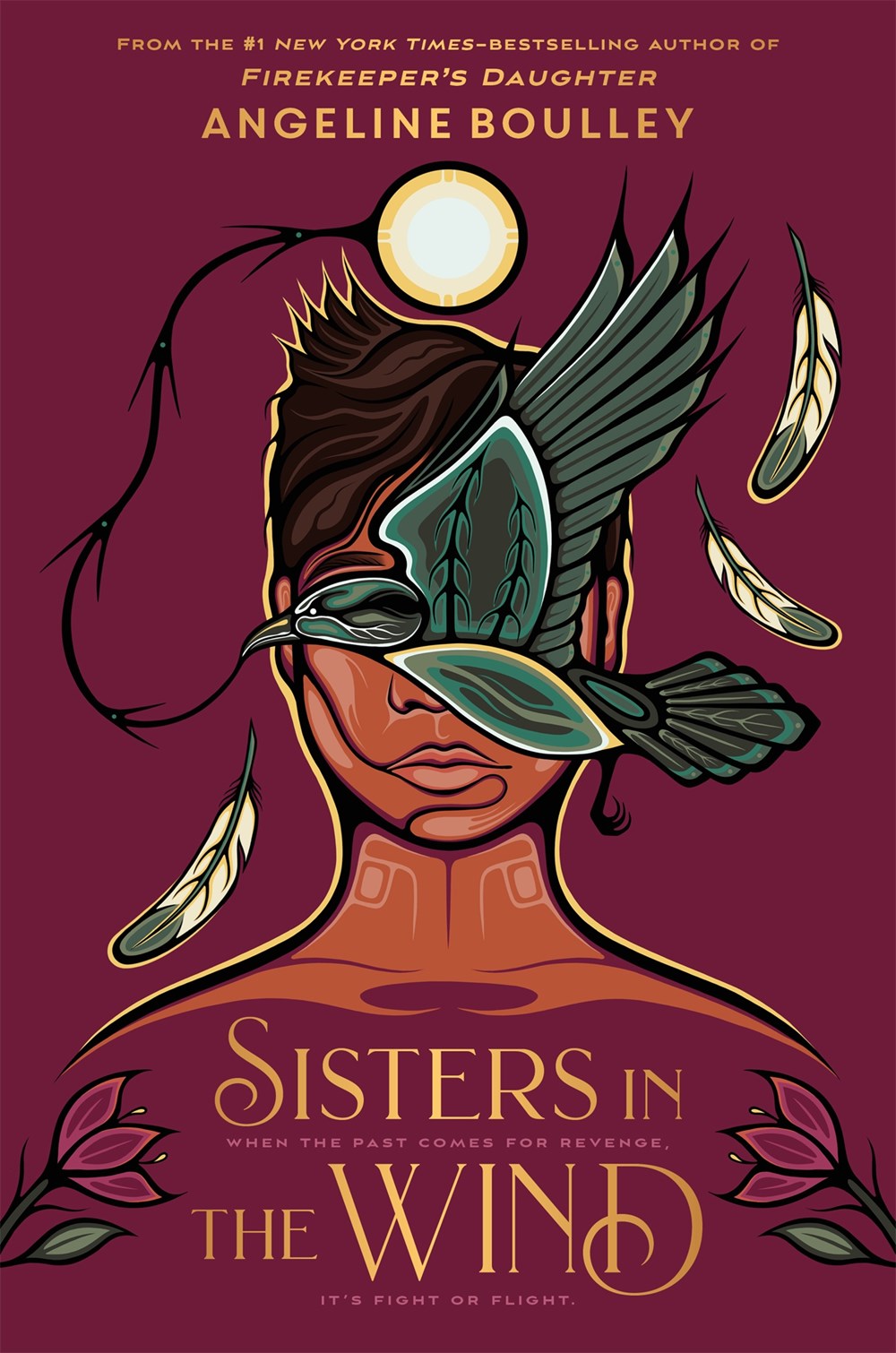
Sisters in the Wind by Angeline Boulley Indigenous Peoples of Turtle Island, Young Adult Fiction Absolutely fantastic – and nothing less than we’ve come to expect from Angeline Boulley. This one takes place in the time between Firekeeper’s Daughter and Warrior Girl, Unearthed – and while Daunis isn’t the main character, the story does answer some big questions we’ve all been harboring about what her character has been doing in the intervening years! Bonus! But the real story centers on Lucy, the sister of Daunis’ beloved friend Lily from Firekeeper’s Daughter. Each of Boulley’s stories manages to weave together compelling mysteries with fascinating and important details about aspects of Indigenous culture. This one introduces us to the world of ICWA – the Indian Child Welfare Act – and the ramifications of foster care placements for native children. The story moves quickly – bouncing between timelines which reveal Lucy’s painful history and also paint a picture of an ongoing mystery that threatens to derail her future. Couldn’t put it down! Reviewed by Kate Snyder, Plaid Elephant Books in Danville, Kentucky |
|
|
|
|
|
|

|
|
Graciela in the Abyss by Meg Medina Children, Juvenile Fiction, Occult & Supernatural, Paranormal Gorgeous cover and super intriguing premise. Sea ghosts? Absolutely yes. But Graciela is unlikeable in a very unlikable way. From the very beginning (it’s not a spoiler because, hello, sea ghost), she dies because she’s trying to spite her older sister. Her sister nicely cautions her away from the cliff. Graciela is like, “Stop bossing me around,” and she falls off the cliff and dies. Then when she reawakens as a sea ghost, she’s still jealous, disagreeable, and spiteful. Kinda like a Mary Lennox. But then there’s Jorge, who you immediately wrap your heartstrings around because he has the unfortunate fate to have horrible parents (and ancestors, which plays a big part in the plot of the dangerous enchanted harpoon) when all he wants to do is make toys instead of weapons at his family’s forge. He’s kind, thoughtful, resourceful, and brave, and is the perfect foil to Graciela. The underwater ghost-characters and world-building were super cool and inventive. I thoroughly enjoyed this upper-middle-grade novel! Reviewed by Candice Conner, The Haunted Book Shop in Mobile, Alabama |
|
|
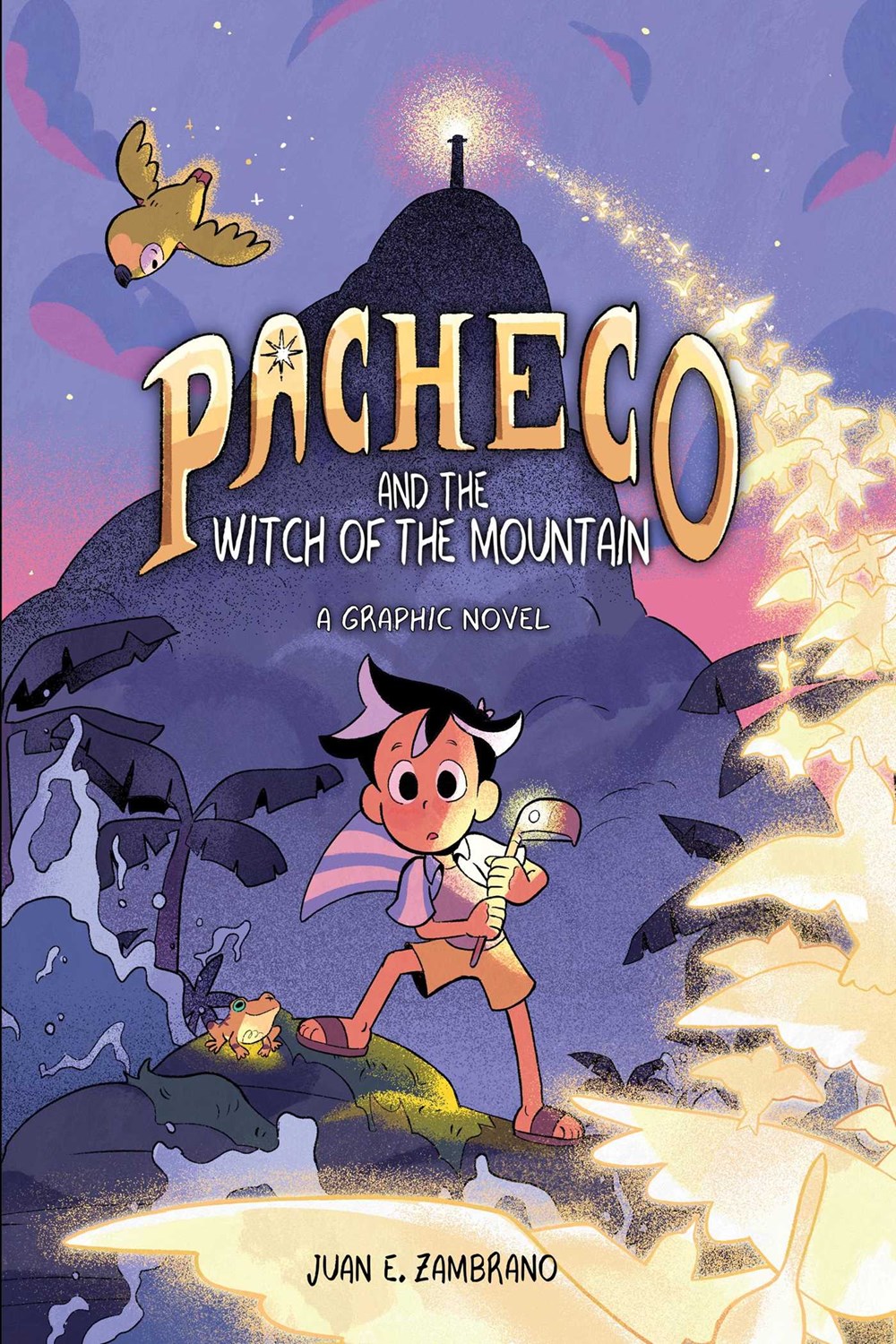
Pacheco and the Witch of the Mountain by Juan E. Zambrano Comics & Graphic Novels, Fairy Tales, Folklore, Juvenile Fiction, Legends & Mythology I loved this story so much! A young boy, Pacheco, is enamored by magic and the witches who have the gift for it on the mountain. But he’s a fisherman’s son, and he’s also a boy – both of which keep him from magic. This all changes when he meets Doris, a rogue witch who does things differently. At its heart, this is all a story about making space for what’s different, of questioning our traditions and way of doing things. I loved it! Reviewed by Morgan DePerno, Bookmarks in Winston-Salem, North Carolina |
|
Decide for Yourself Books that appear on PEN America’s list of challenged books. |

|
|
11/22/63 by Stephen King Adult Fiction, Banned Books, Thrillers, A high school English teacher discovers a portal to the past – specifically to September 9, 1958 – and decides that he’s going to prevent the assassination of John F. Kennedy. But here’s the thing – the past is stubborn. It’s obdurate. It doesn’t want to be changed and will fight back any effort to rewrite history. In typical King fashion, 11/22/63 is a brilliant and affecting novel full of heart and terror in near-equal parts. Reviewed by Colin Sneed, Flyleaf Books in Chapel Hill, North Carolina |
Southern Bestsellers What’s popular this week with Southern Readers. |
|
|
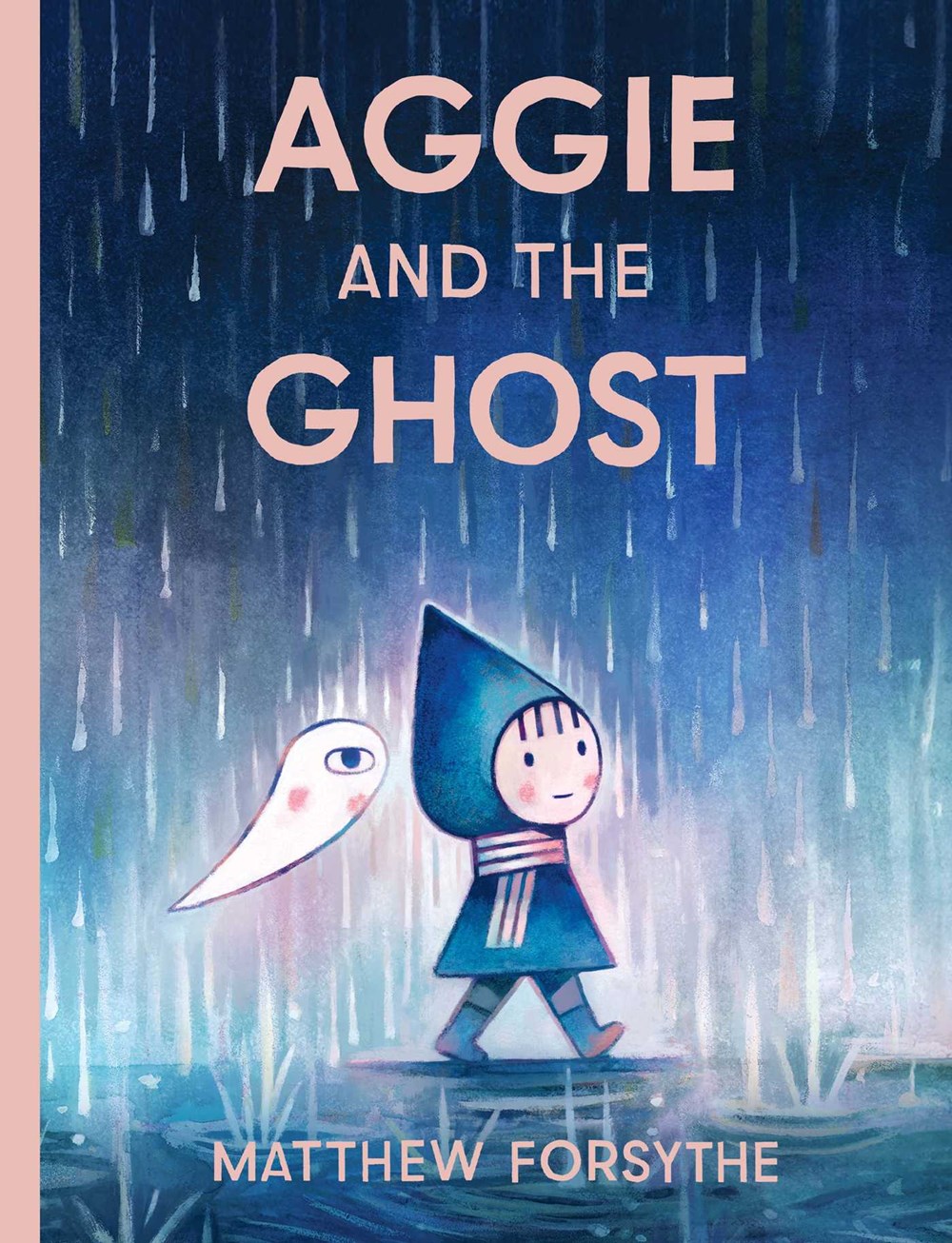
Aggie and the Ghost by Matthew Forsythe Children, Juvenile Fiction, New Experience, Social Themes
A July/August Read This Next! Kids Title Lovely illustrations and wonderful tale of a girl’s trials living in a haunted house with a ghost who never follows her rules.Reviewed by Alissa Redmond, South Main Book Company in Salisbury, North Carolina |


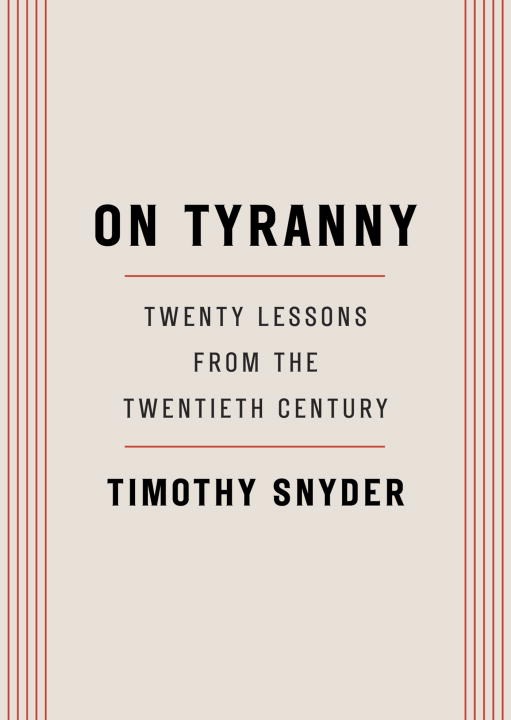

[ See the full list ] |
Parting Thought “The stories we tell literally make the world. If you want to change the world, you need to change your story. This truth applies both to individuals and institutions.” |
|
Publisher:
The Southern Independent Booksellers Alliance /
siba@sibaweb.com |
SIBA | 51 Pleasant Ridge Drive | Asheville, NC 28805
You have received this email because you are currently subscribed to receive The Southern Bookseller Review.
Please click @@unsubscribe_url@@ if you no longer wish to receive these communications.
The Southern Bookseller Review 8/26/25 Read More »


 When it comes to emotionality in the book, I wanted to portray how — this goes along with the ambiguity — multiple contradictory feelings can exist simultaneously within one person, and how our feelings may change over the day, over an hour, and over a year and a lifetime. Even the simplest things can be the hardest to say. For example, Bo really wants to tell Hans how proud he is. He tries to say it throughout the whole book. It was super frustrating to write. “Come on, Bo! You can do it!” It’s a simple and good emotion, right? You think that it should be easy, but a lifetime of normative training combined with the recurring conflicting aspects of the relationship get in the way. And in this sense, I was very inspired by my own father and grandfather. My grandfather told me how proud he was of my father and how well he’d done in life and so on, but he couldn’t tell my father that. But of course I did, and it made my dad happy. But there’s something that makes certain feelings really hard to express.



















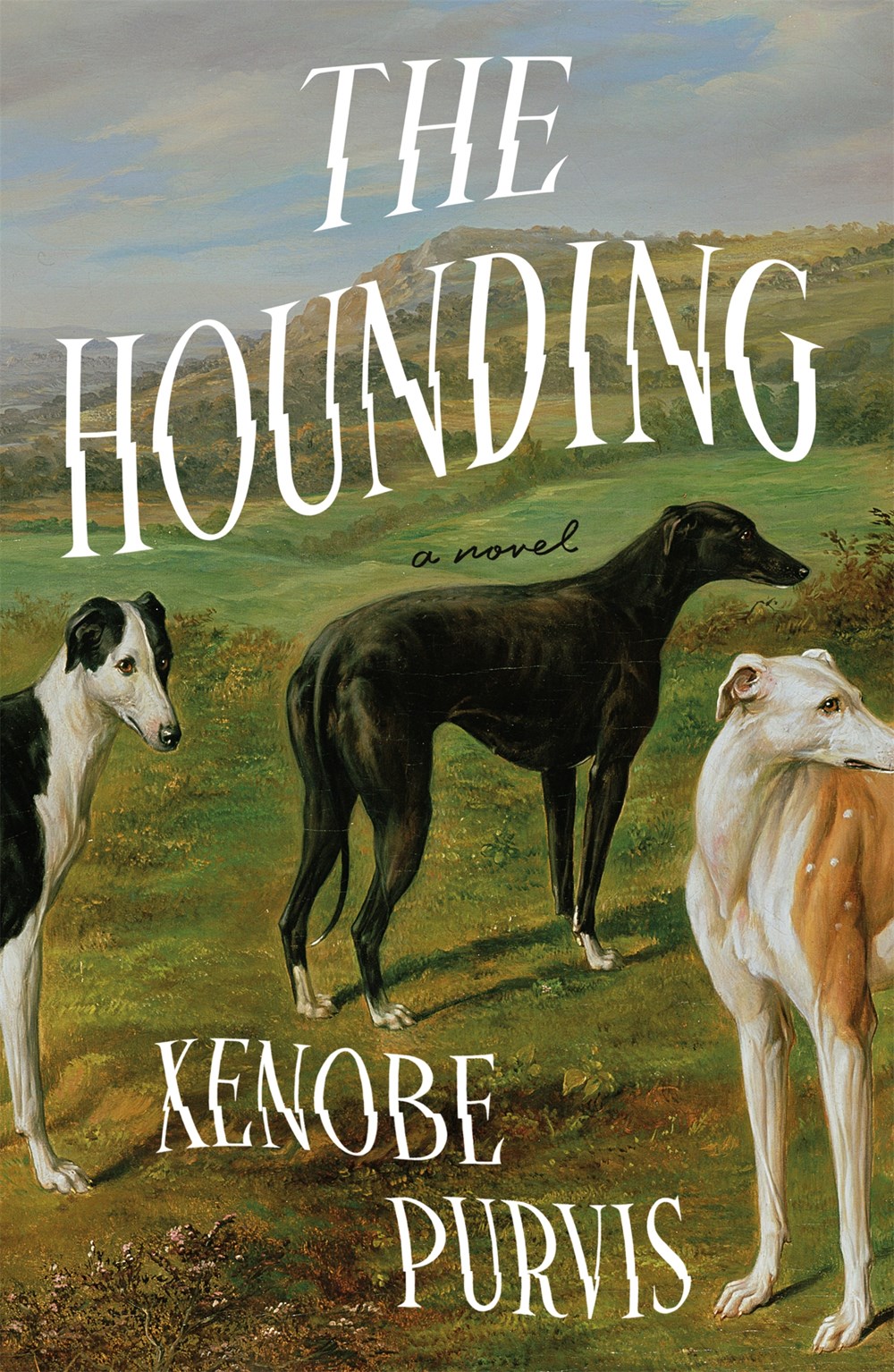
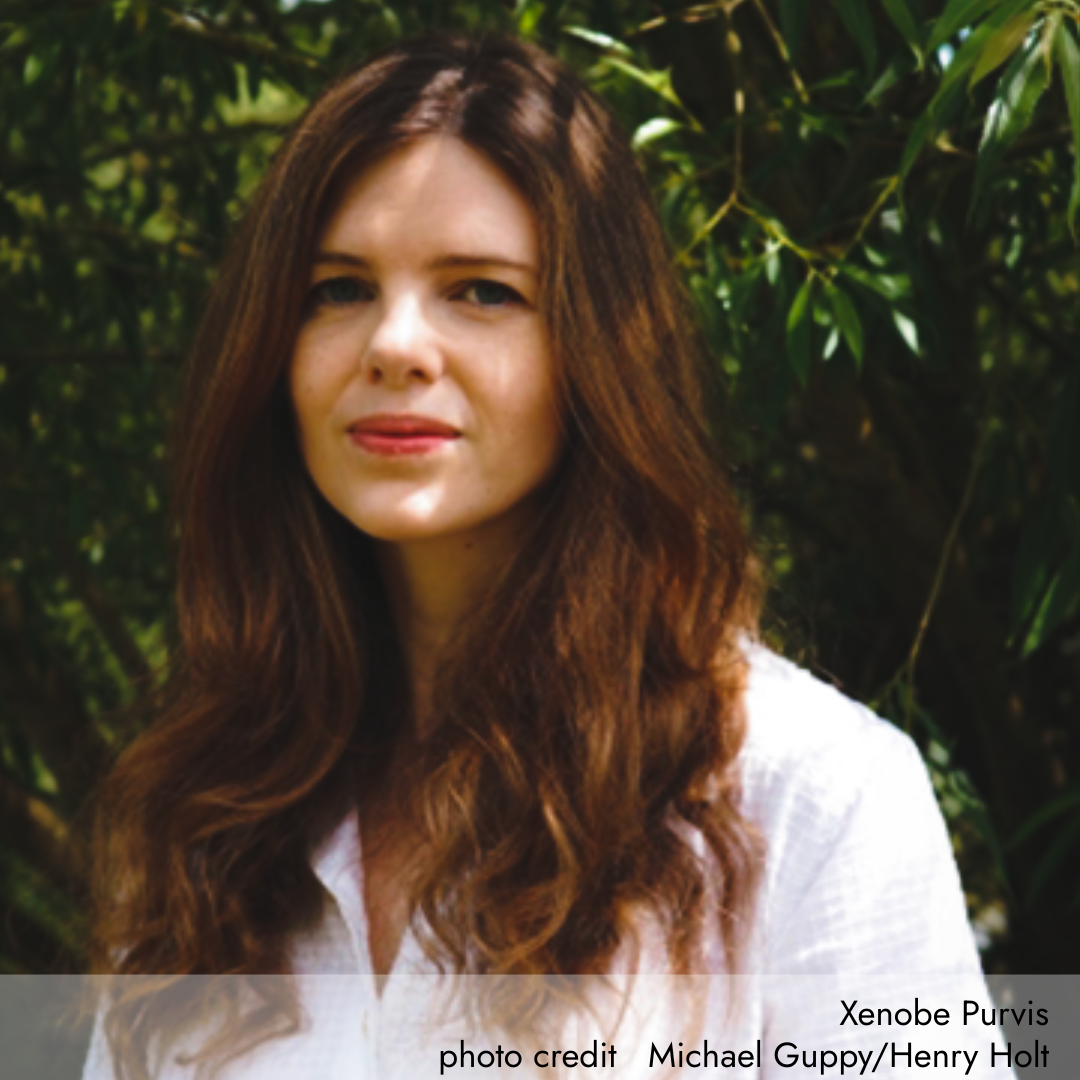 There are many examples of this kind of thing throughout history. I was actually inspired by a specific historical event; I came across the true story of a village in Oxfordshire in the 1700s in which a great rumor was said to be spreading that five sisters had been “seized with frequent barking in the manner of dogs.” I was obviously fascinated to imagine how the girls’ community would have responded to their case, and how this rumor spreading might easily have become dangerous and even violent…I agree [that the] incredibly sinister aspect of Shirley Jackson’s work, the vilification of the mundane…is definitely terrain that The Hounding shares with Jackson’s stories. Like her, I’m very interested in thinking about the everyday awfulness of people, but I also wanted to try to understand even my most detestable characters. I really wanted to find a degree of sympathy for all of them in order to inhabit their thoughts and feelings.




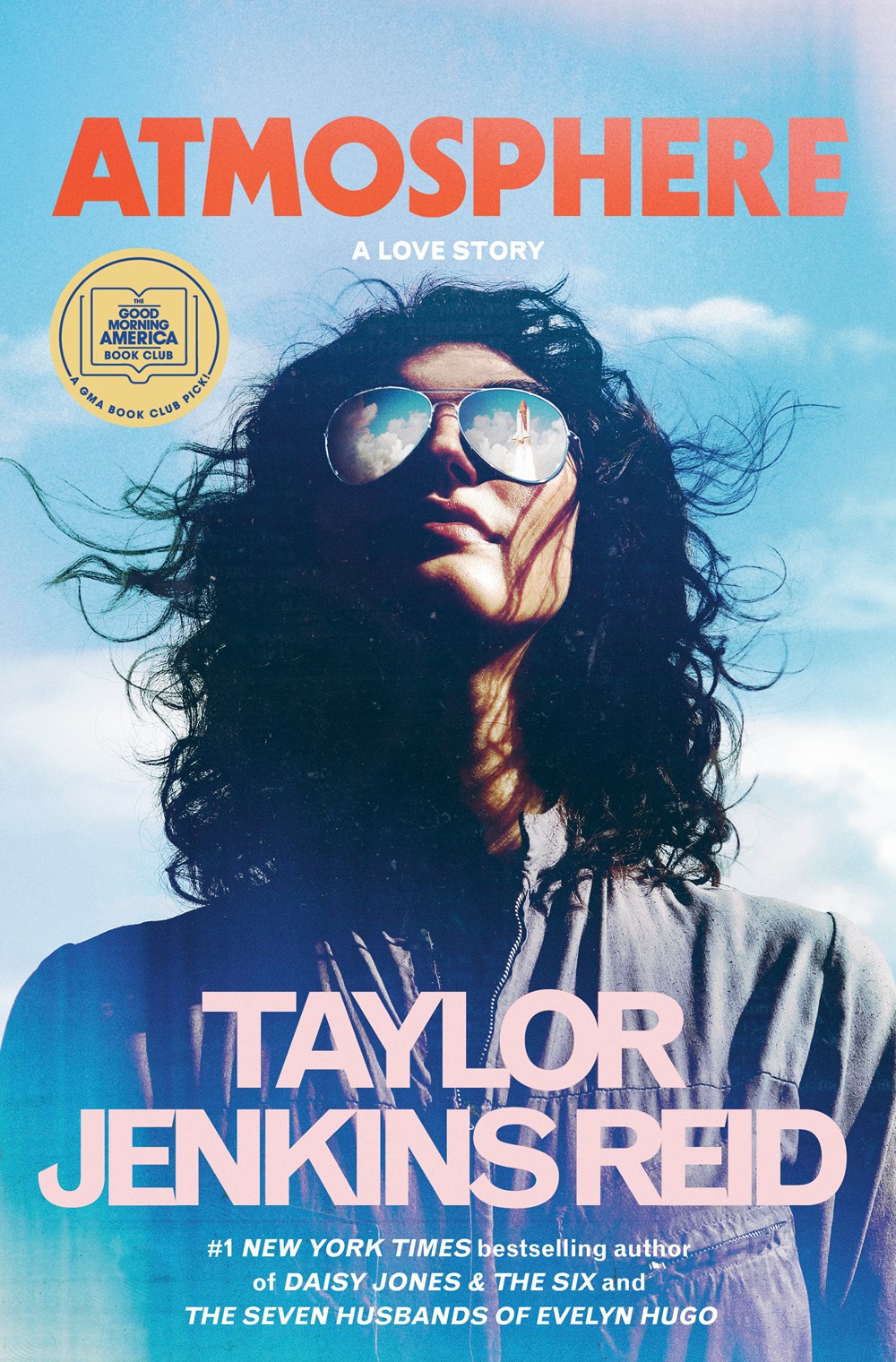


 They were such extraordinarily different people in the way they related to the world and other people. He was this awkward and lonely man before he met her, living quite a dislocated life, and she was this livewire and such a compelling, energetic, positive presence. [There’s] something about how a marriage like that works, then putting that marriage in this extreme scenario, to the ultimate test.








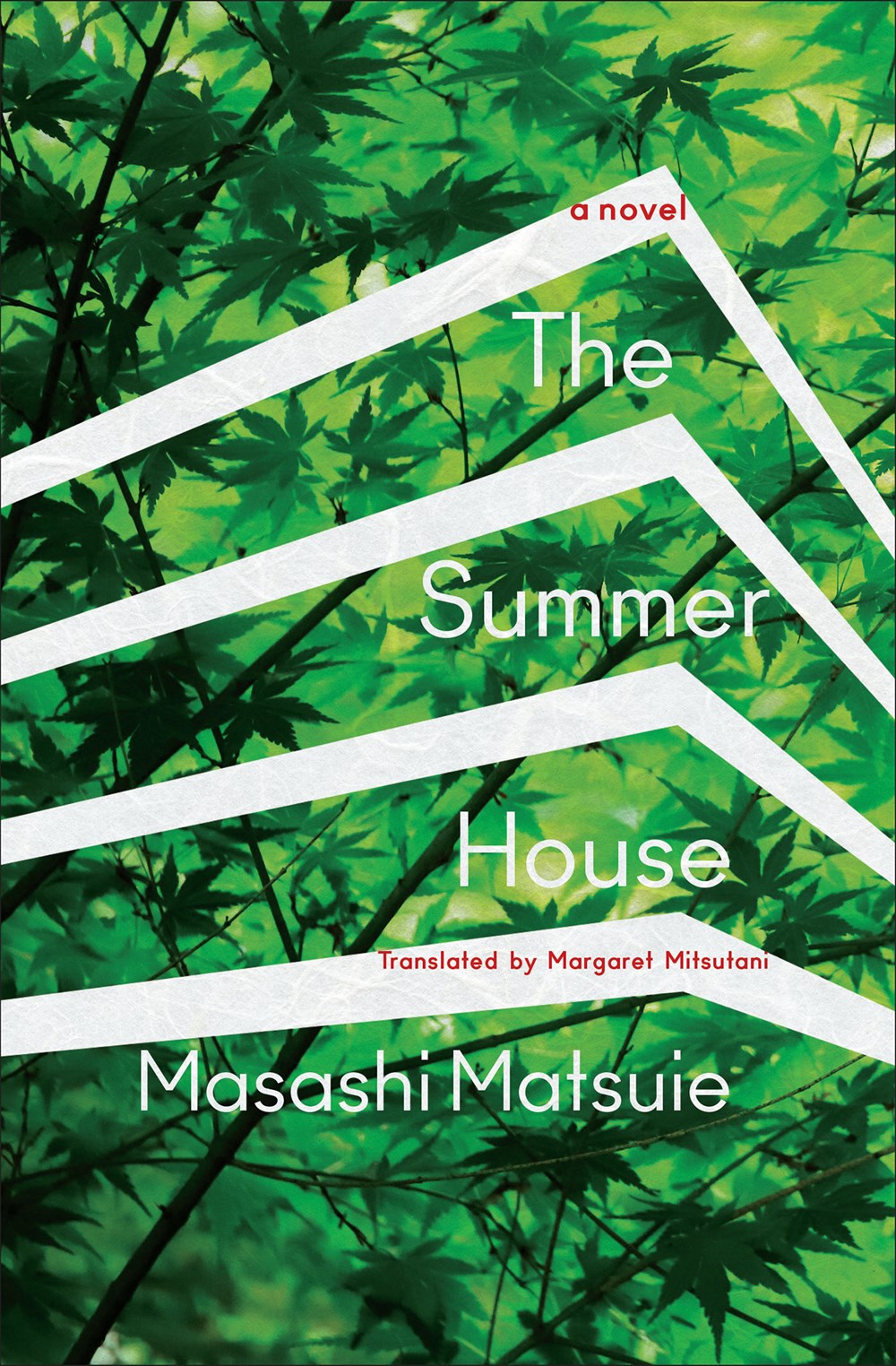
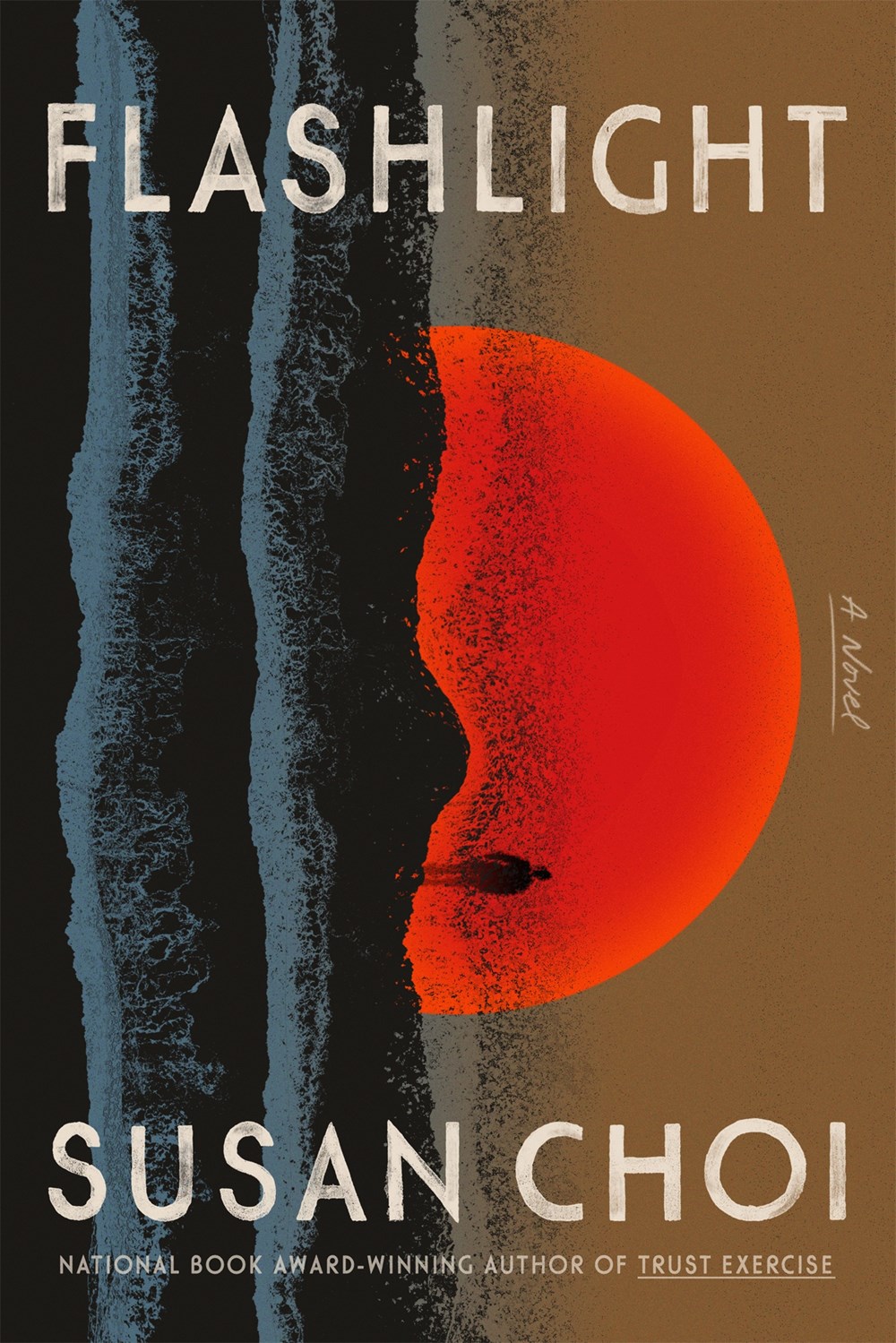
 The premise, of a family in Japan, draws on my experience directly, because I spent time in Japan with my family when I was a child. But what prompted the novel are less specific memories themselves than the hazy, fragmentary quality of my memories from that time, the extent to which they’re partial and distorted. My memories from that time feel like dreams, and their atmosphere is sometimes quite ominous. Eventually a storyline that departs pretty dramatically from any event of my life came along to suit that weird, ominous tone.

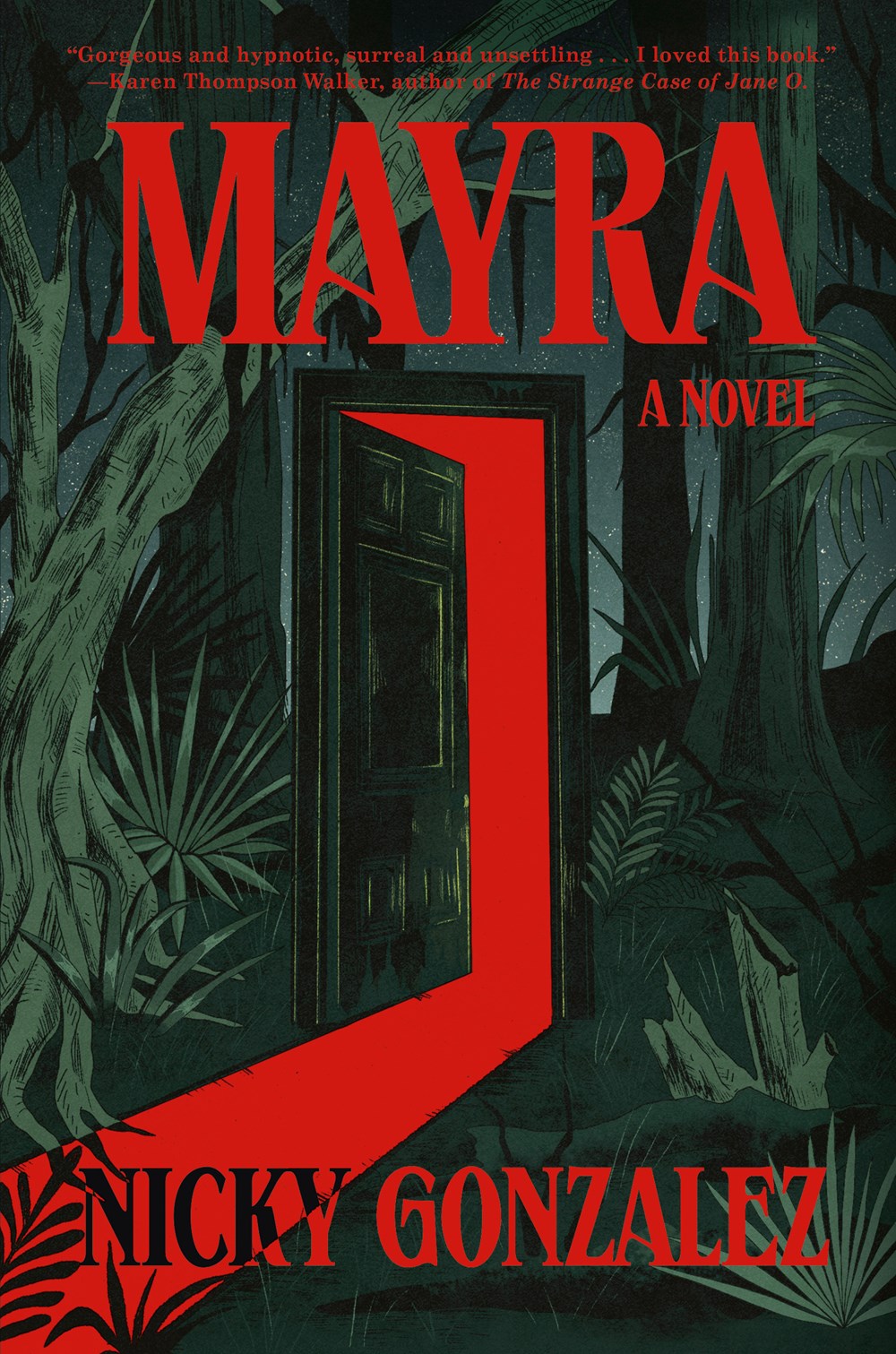

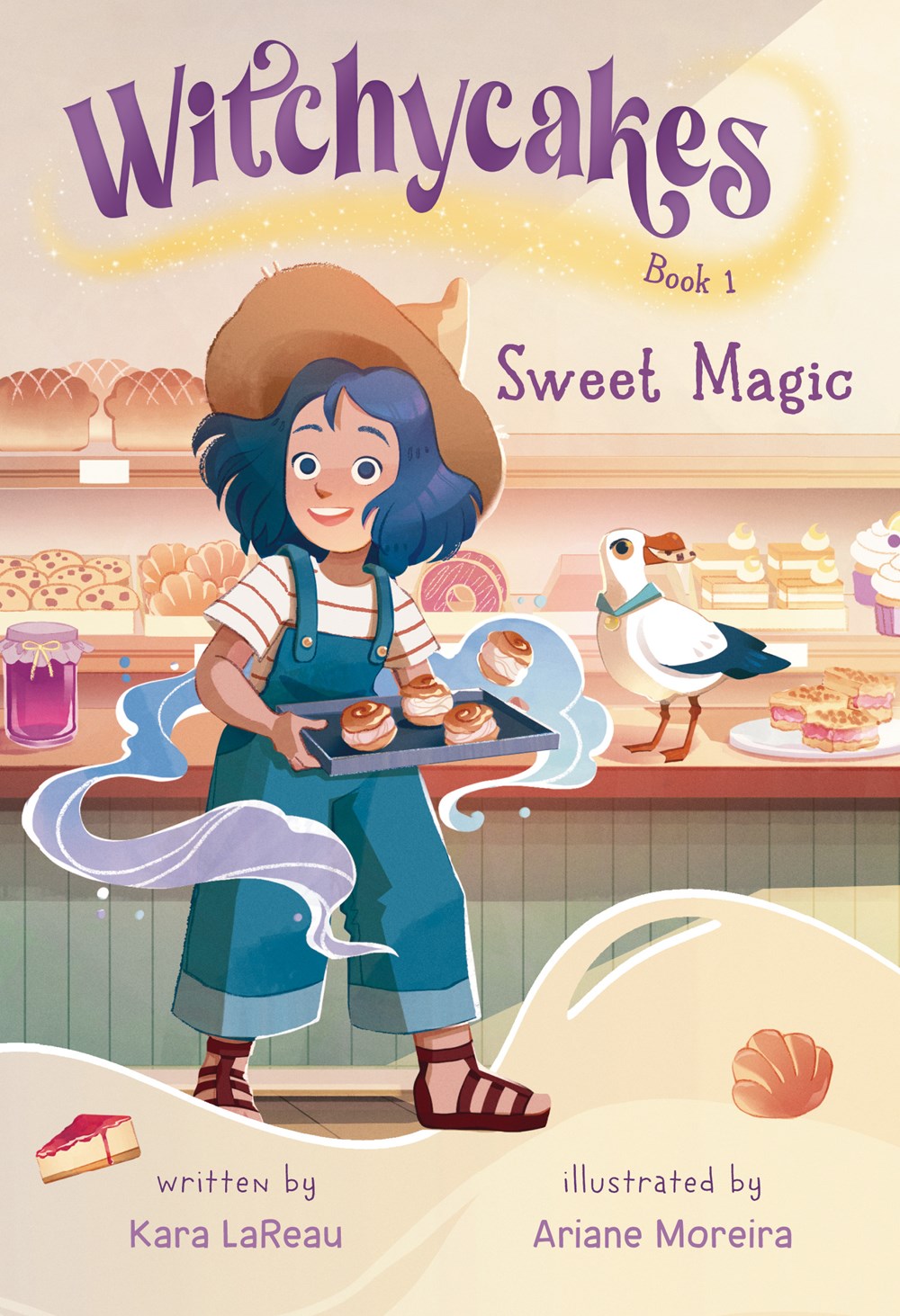


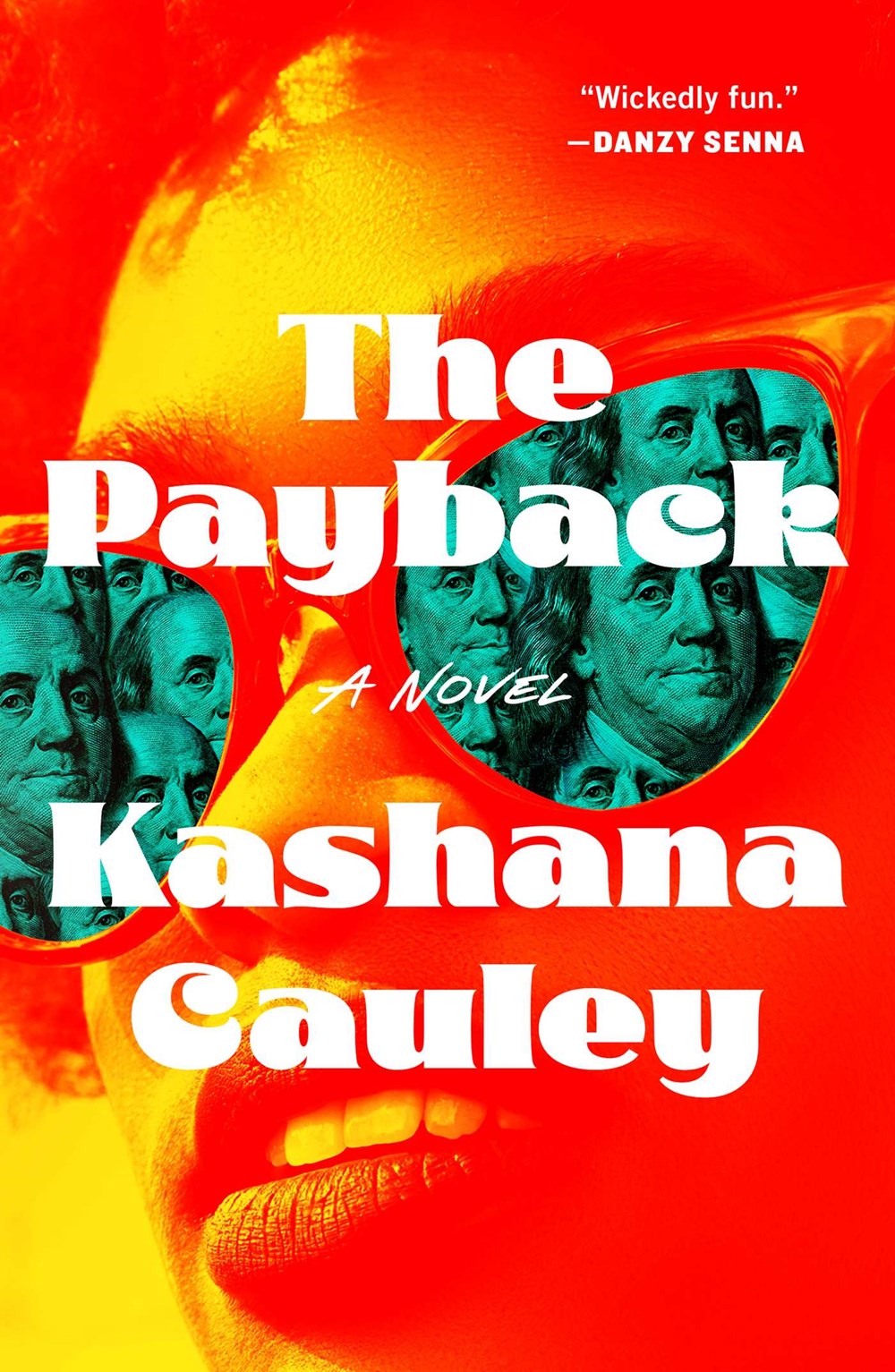


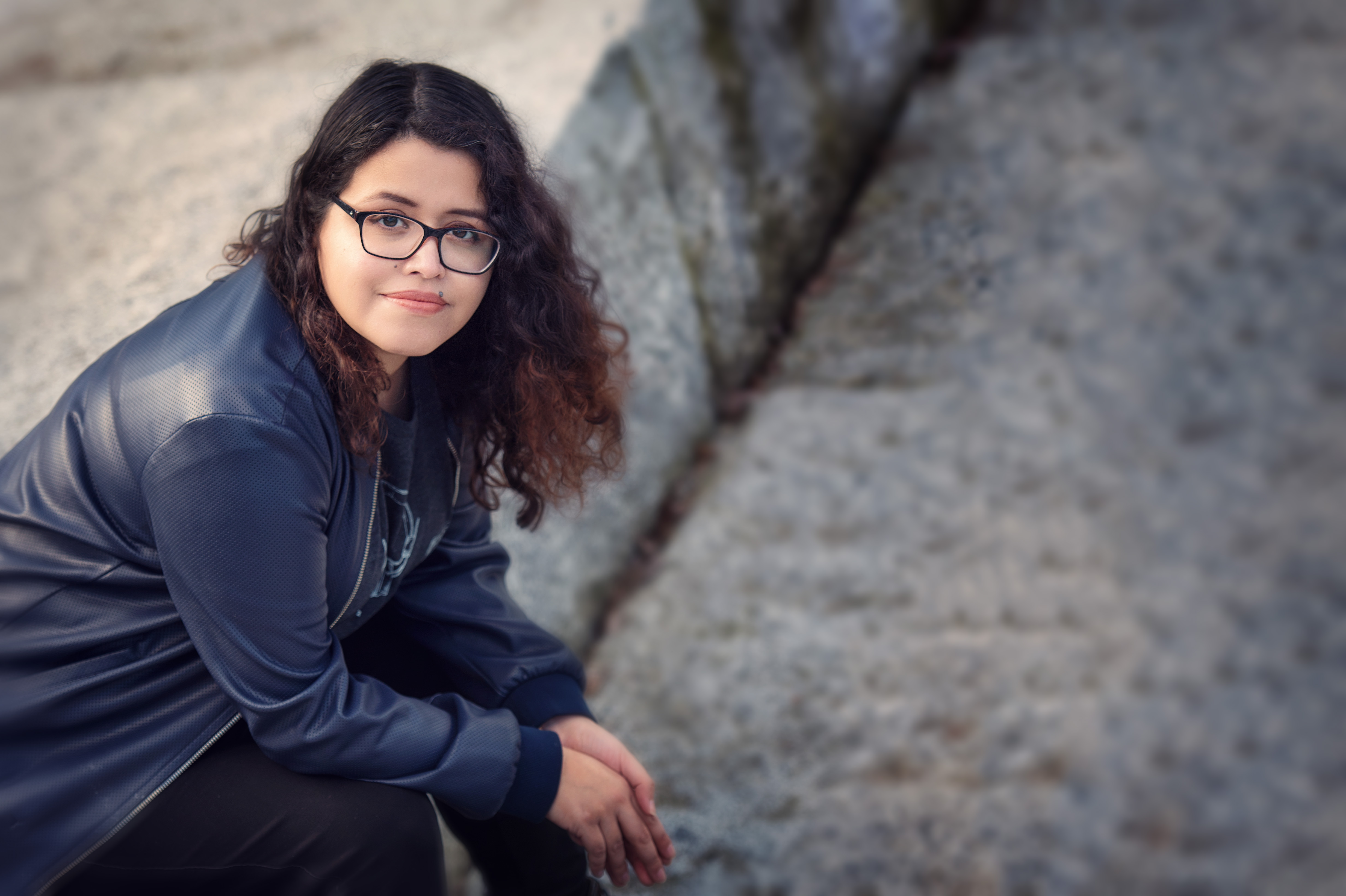 If you talk about witches nowadays and you ask somebody to picture a witch, they’d probably say a pointy hat, a broom, a black cat. They are no longer considered malevolent.
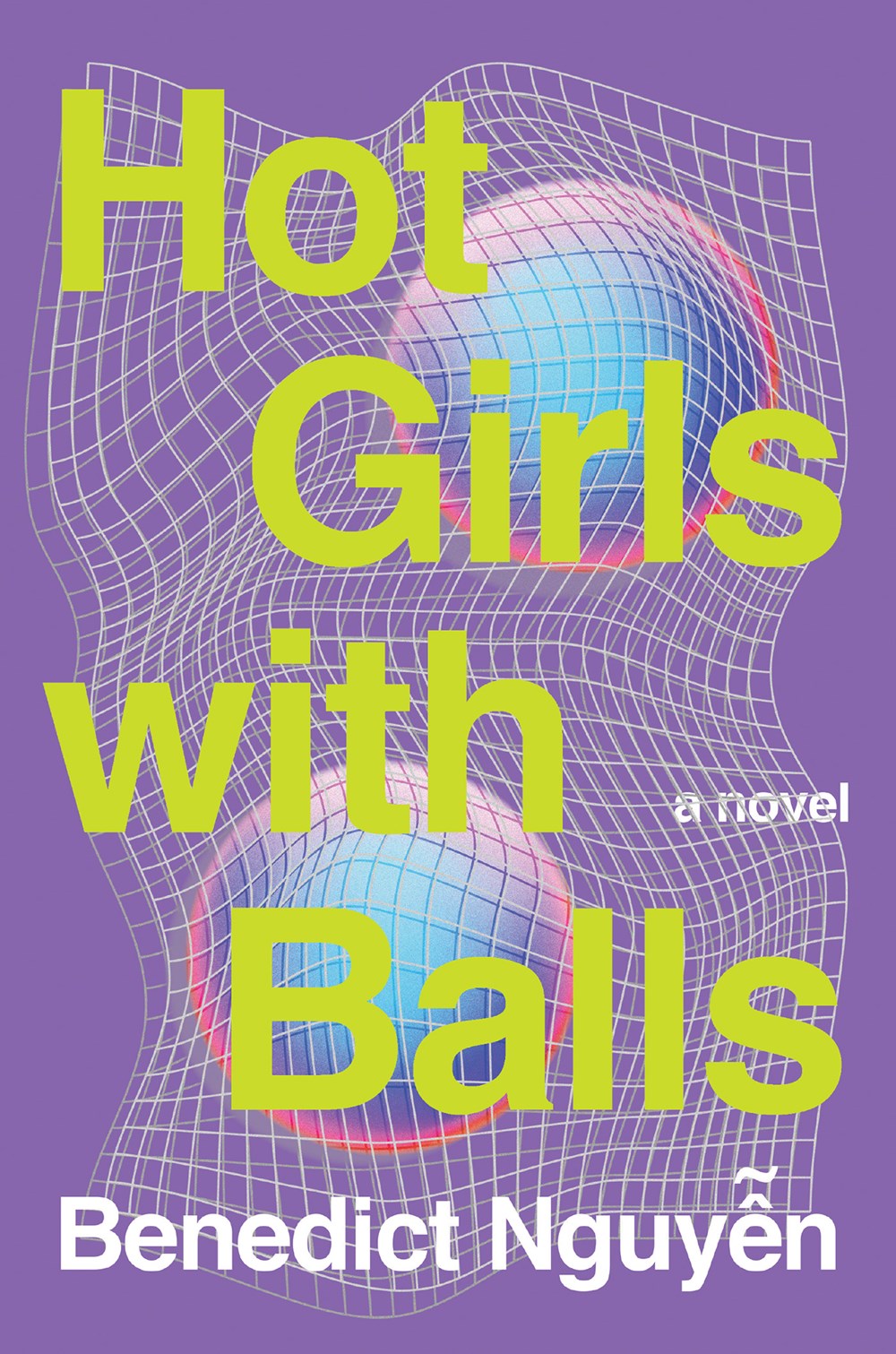

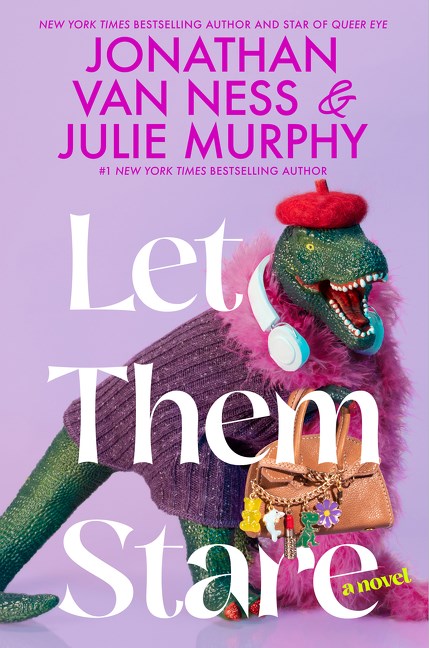


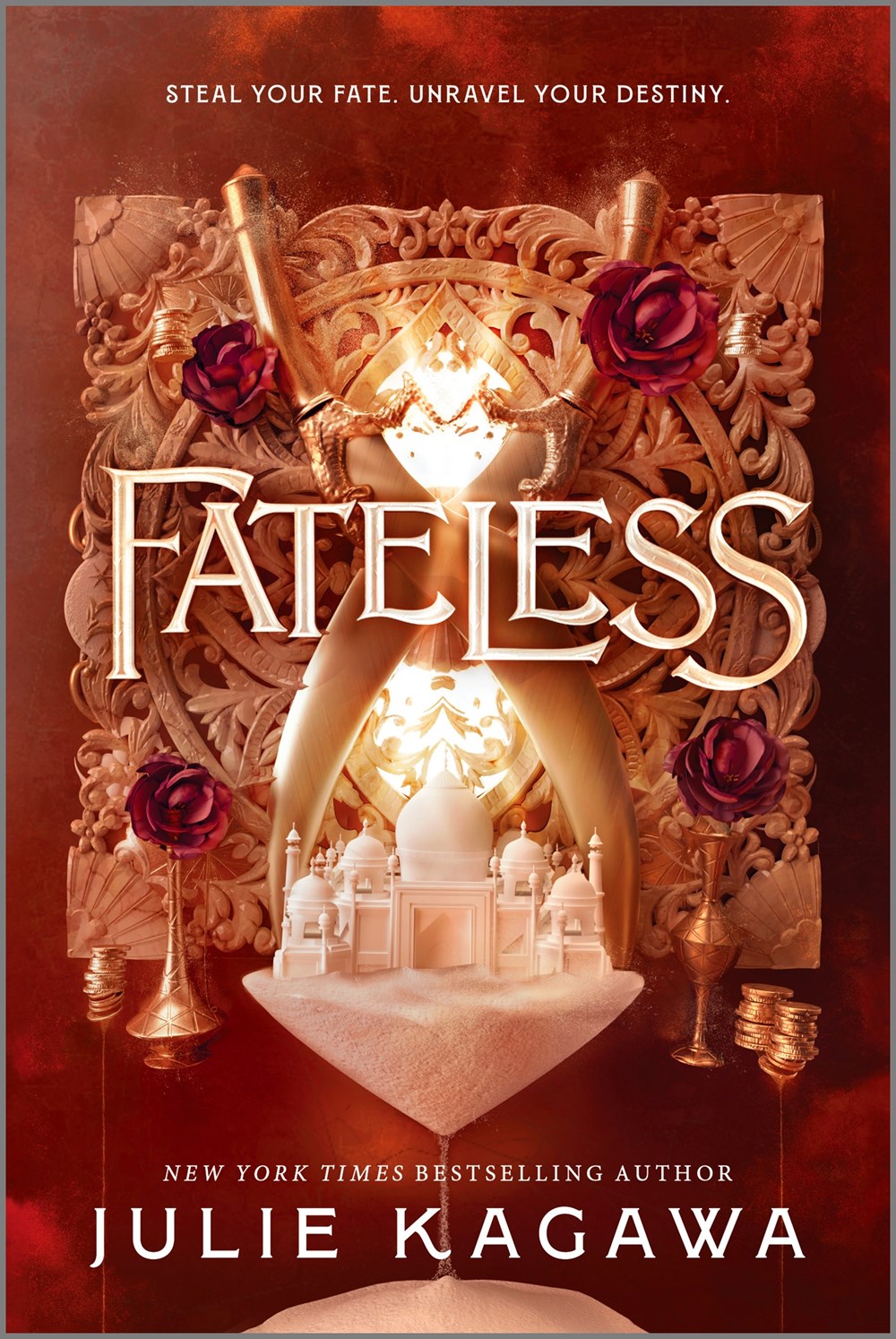
 I don’t know it there’s an inspiration per se other than “I like dragons, and I like lady knights, I want to write a book about those things.” And so I did. “Brighter Than Scale” tells the story of Yeva, a dragon hunter with special abilities who was absorbed into empire against her will as a child and, as an adult, is sent as an ambassador to a nation that worships dragons as part of her emperor’s territorial aggressions. There she meets the girl-king Sookhee, the charismatic leader of the nation. But their growing relationship is threatened when Yeva uncovers secrets that will challenge the way she sees the world, and herself. The book may appear to be a queer love story, and it is indeed a queer love story, but at its core I think it’s about identity, it’s about finding your place and finding yourself in a world which constantly wants to erase you.



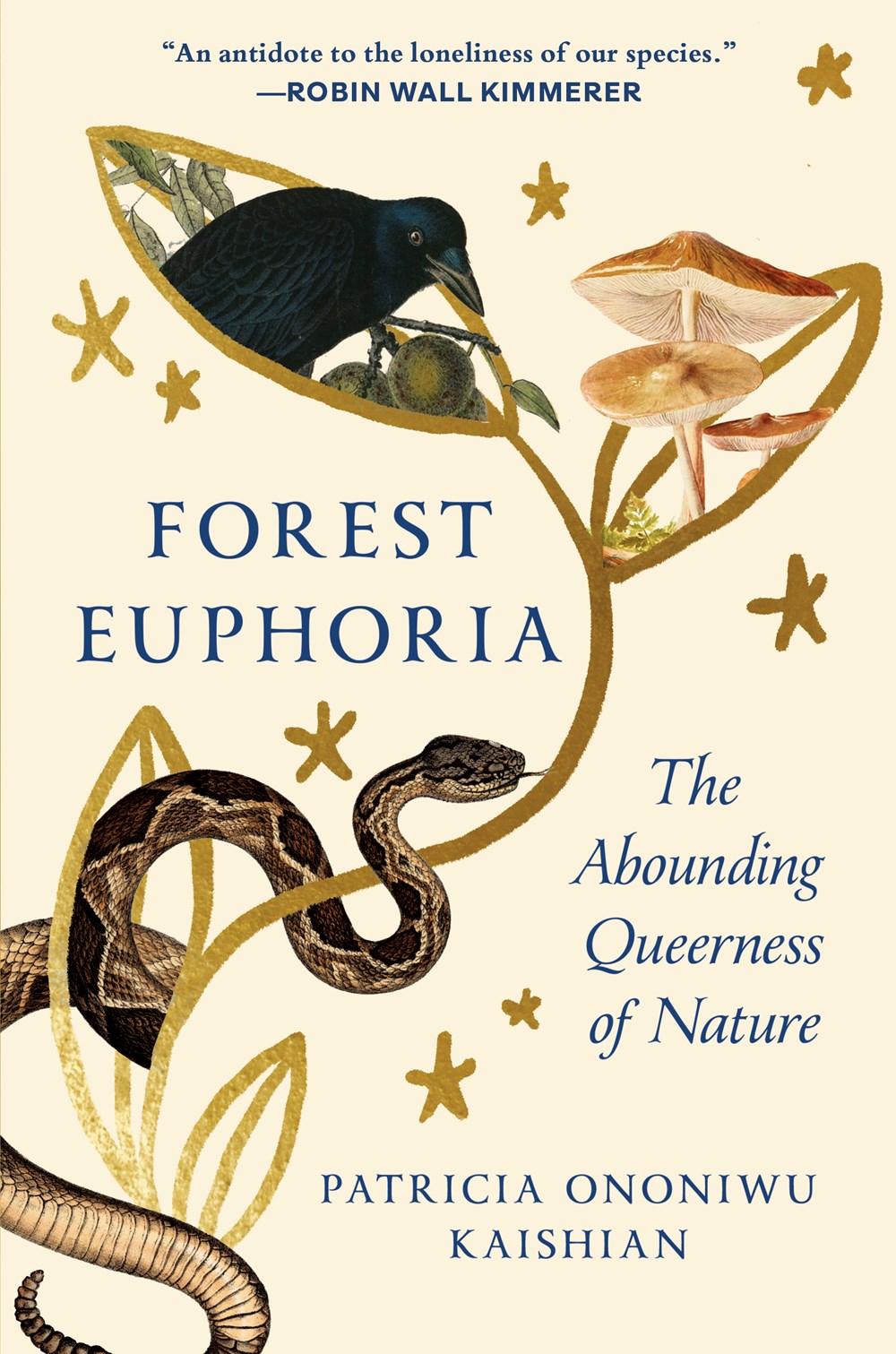

 Rhys is a former environmental reporter for a local newspaper. I was a newspaper reporter for about seven years, and still think of myself in many ways, almost as a spot-news novelist. So, I’m still drawn to write stories as they’re happening.



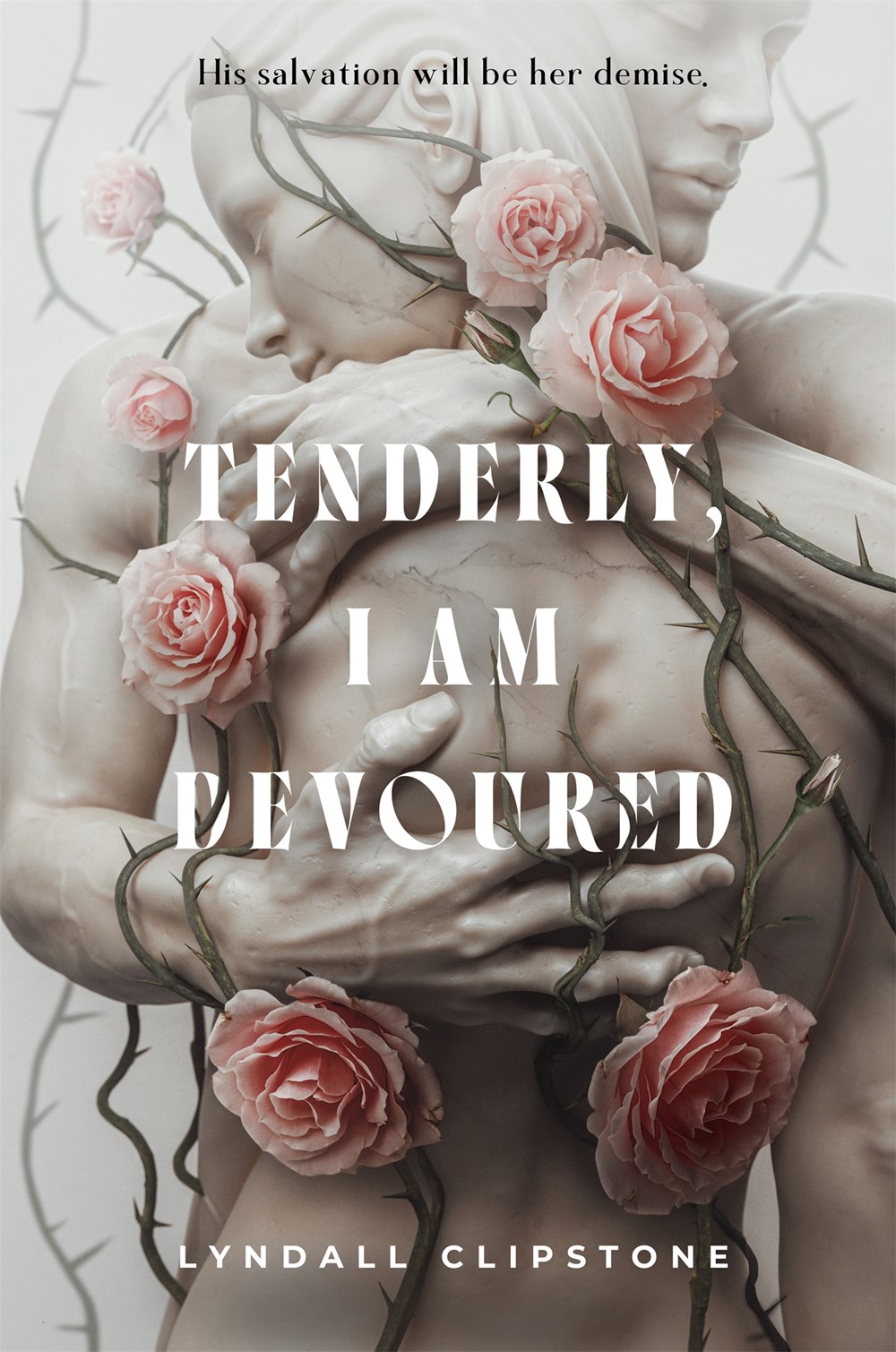





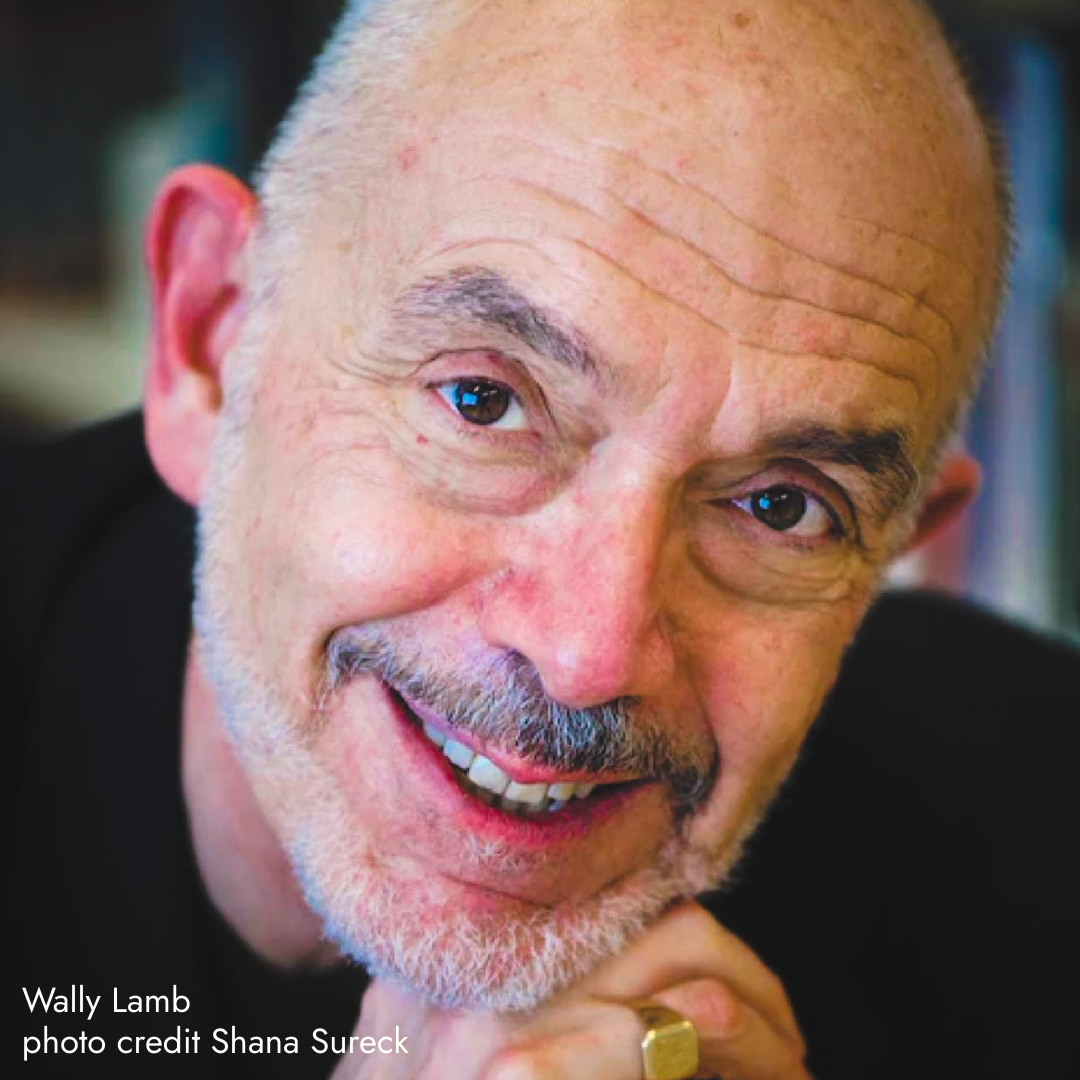 There’s a part in the novel when [the protagonist] Corby says he thinks that women are just stronger than men because it’s women who come and visit the prisoners. Whether they are grandmothers who are taking care of the kids and wearing their convalescent home pinafores, girlfriends, or so forth—it’s women who show up. That was my experience when I would go to visit our son. Often, I’d be one of the few men who went into the visiting room; usually, it was another father. And sometimes I would be the only guy in the visiting room. I don’t think it’s because men are necessarily cold. They don’t necessarily detach from loved ones who are male. I think so many of men’s problems come down to fear. It’s not that women don’t live with fear, but that they can more easily voice that fear.


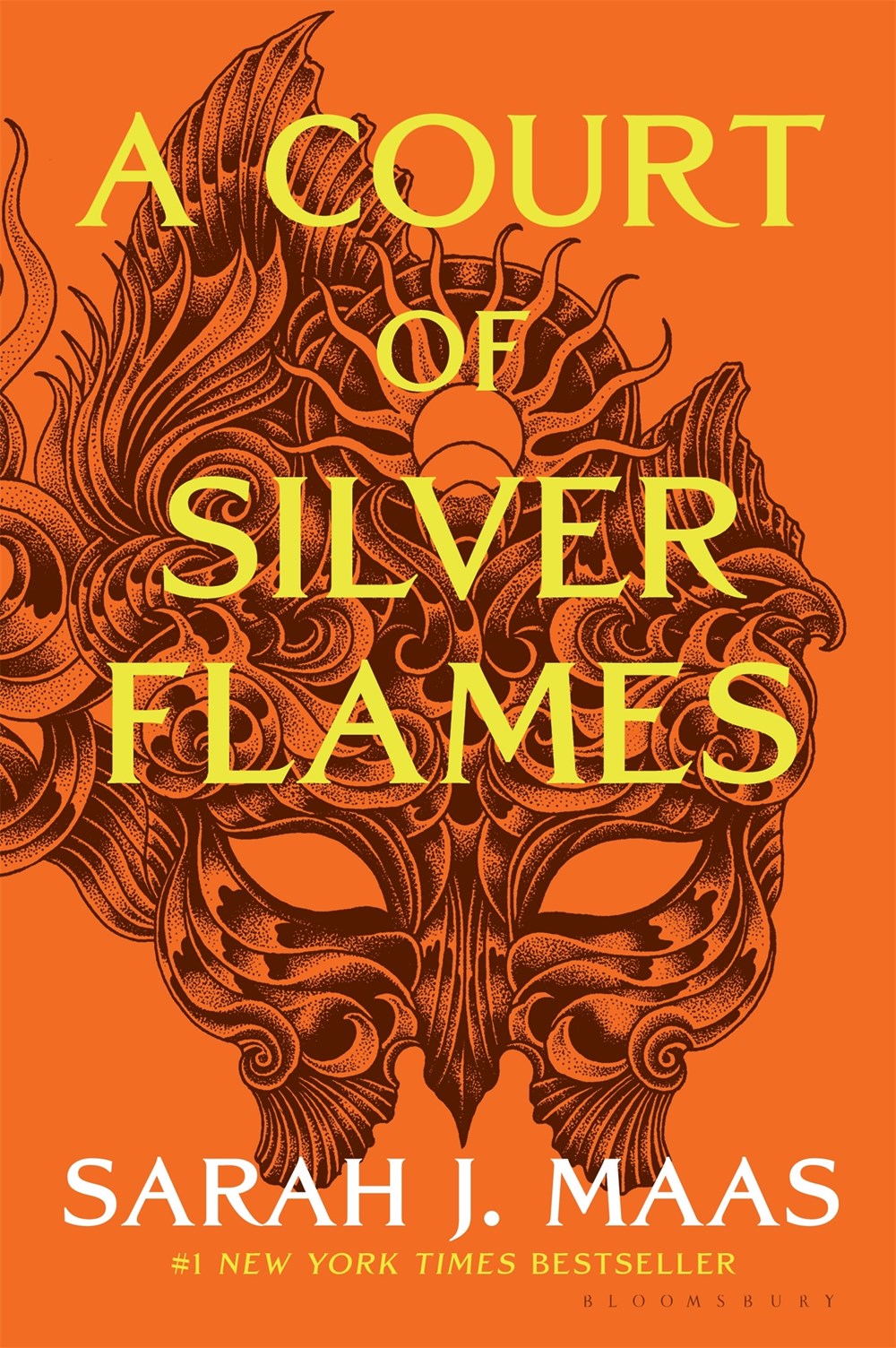

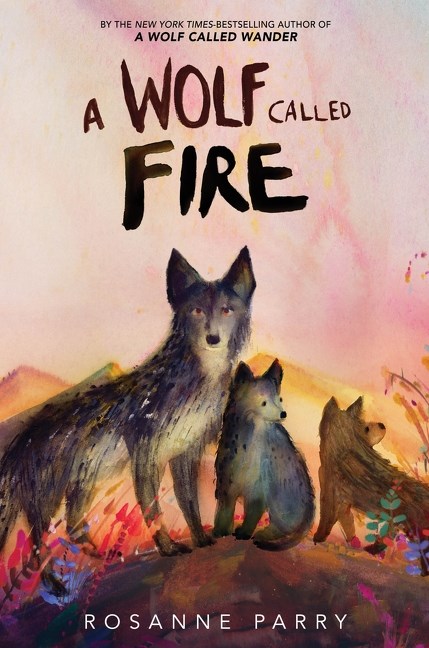
 What’s in your book bag?


 I wanted to write a controlled, intense, strange, sensual, truthful novel set firmly in a genre I’m increasingly thinking of as wonder. You can watch a romcom where someone is covered with bees and they’re terrified, and you’re laughing, so their experience is not the same as your experience. Likewise, you can be watching a horror film, and they think they’re having a normal Monday, and you know better. That’s where the horror happens.








 I like my stories to be immersive. I am a visual person when writing and reading. So to me, it’s all part of the characterization: the way that they wear clothes, what the clothes look like, what they look like. I also want it to be a lived-in world. So let’s talk about getting dirty. Let’s talk about taking baths. Let’s think about chapped lips. When I watch particularly fantasy content, I almost look for these things because it is a layer of grittiness that I like, a texture in a story, that I feel is real. The Knight and the Moth was really fun, like gossamer versus armor. You can look into themes of these things too and apply them to the story, or you can decide to read them very literally.







 I guess a lot of the fantasy I read as a kid was very much in the shadow of Tolkien, and in Lord of the Rings there is an objective right and wrong. You either give in to Sauron or you fight him, and the text leaves no doubt which is good and which evil. Not that I ever lost interest in Gandalf and Aragorn but as the years went on I started to find Saruman and Boromir more interesting. People who fall from grace, or rise to it. Characters in flux, in turmoil, weighing greater good against personal good, with mixed motives, with uncertain outcomes. People who surprise the reader. In our world, everyone thinks they’re in the right. Battles aren’t of good against evil, but one man’s good against another’s.





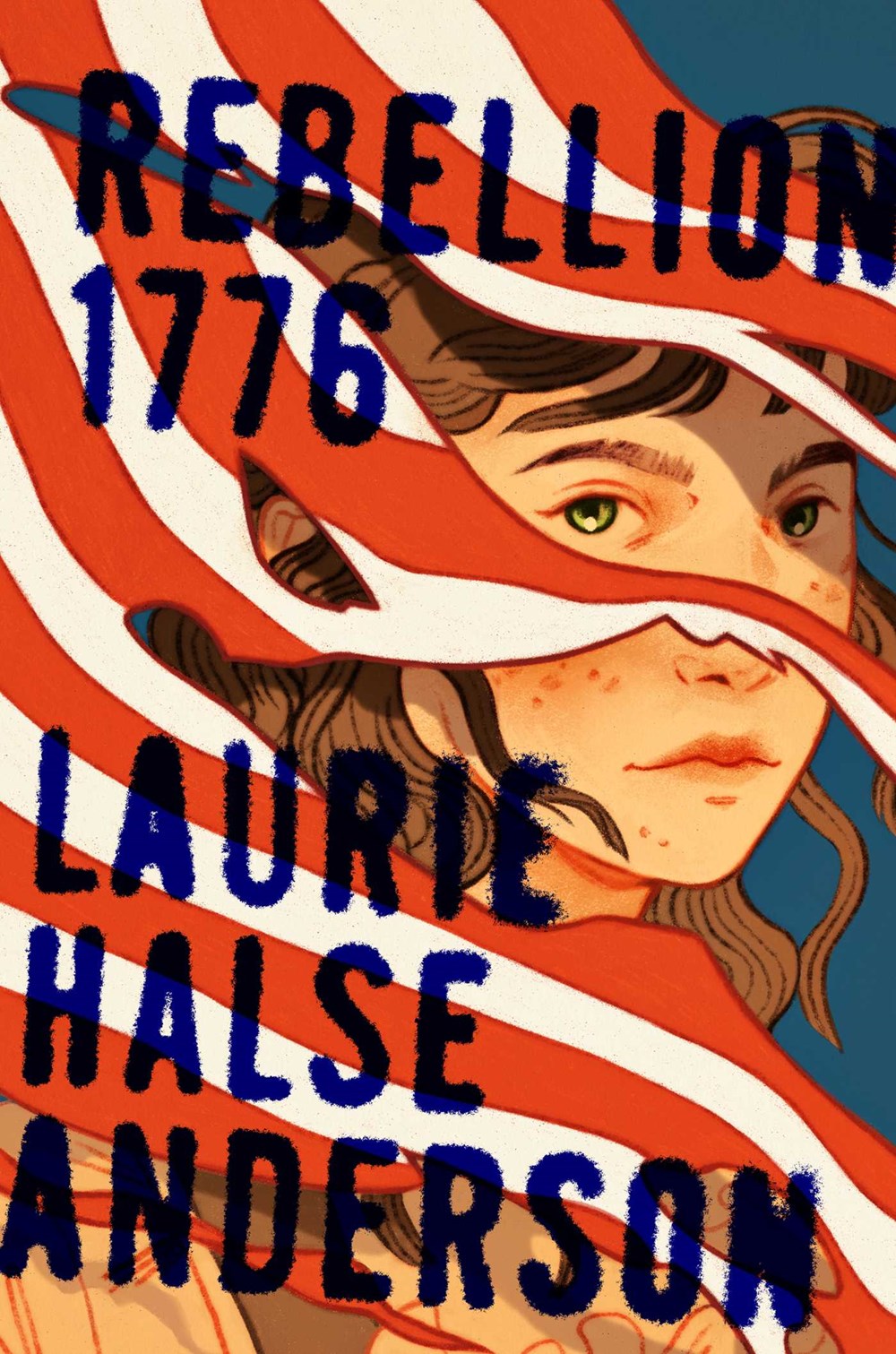

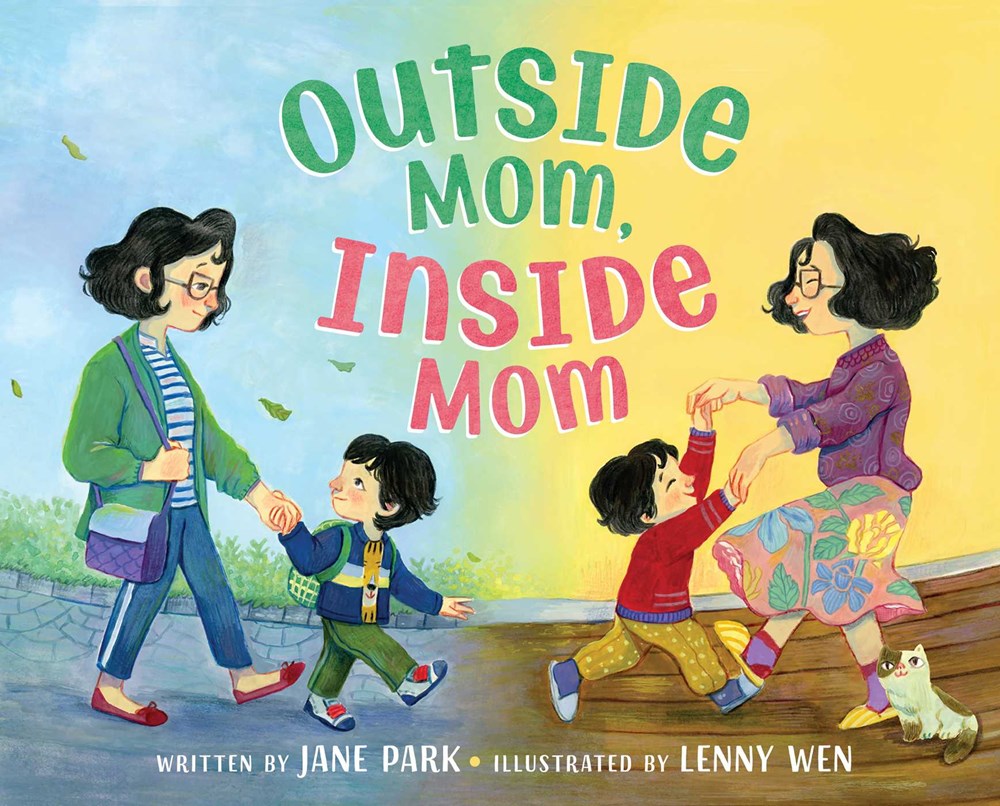
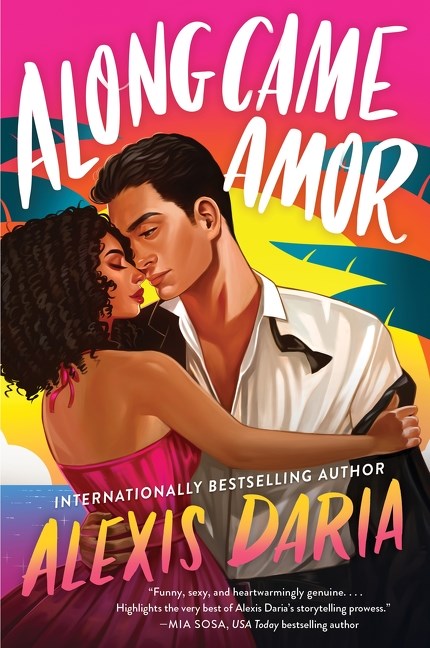
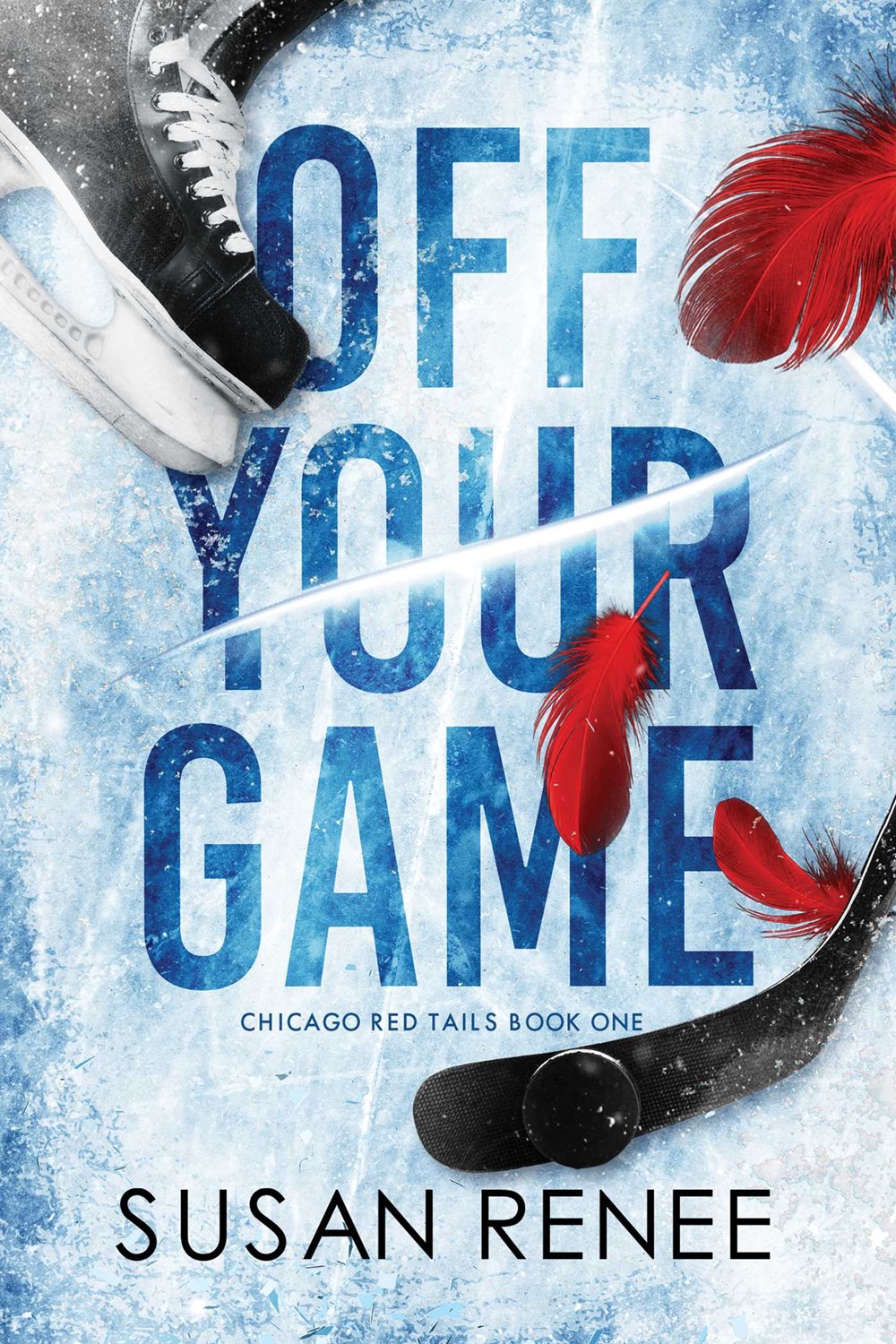

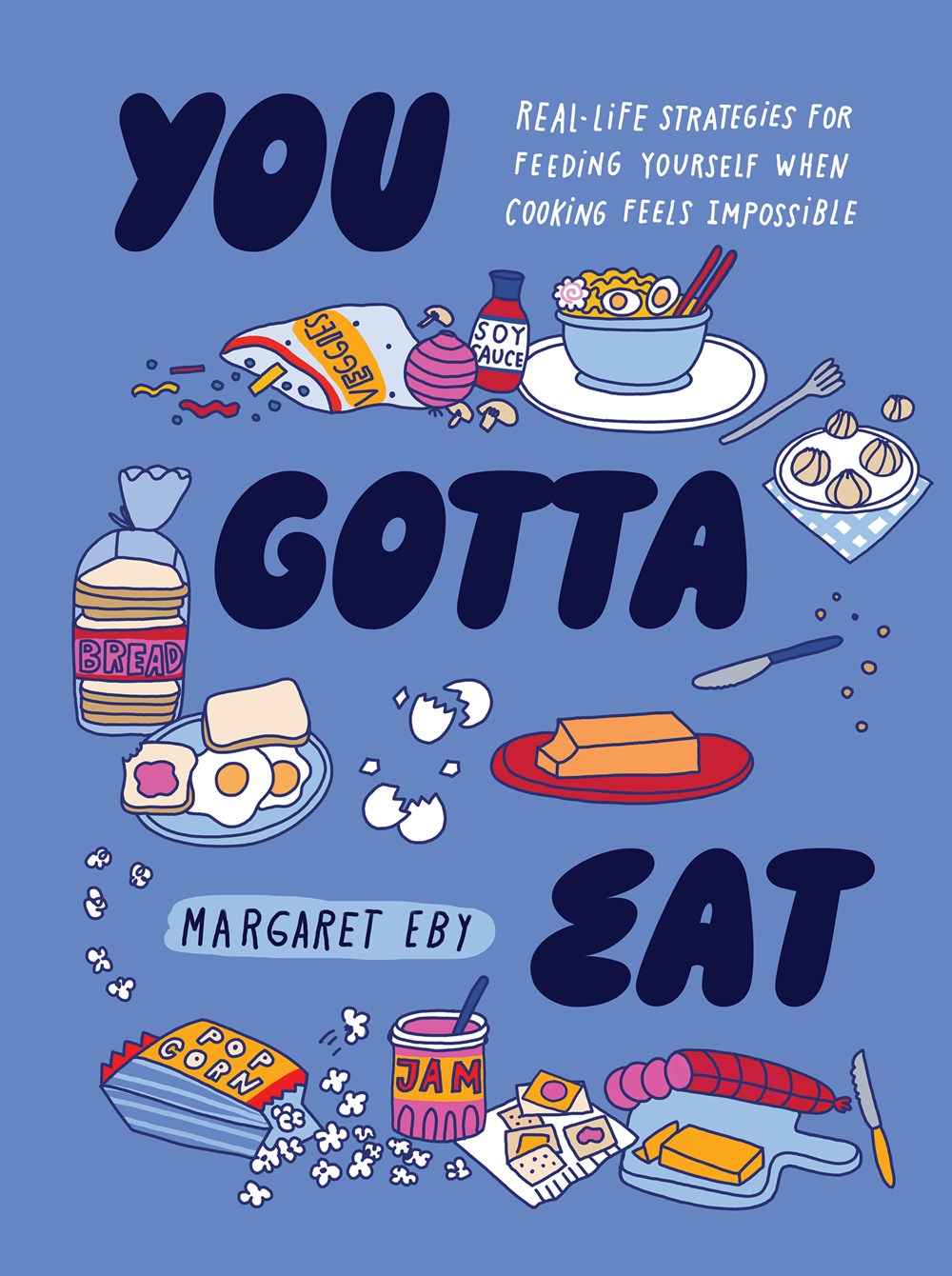
 I could spend years in a cookbook shop and never get bored. Where do I begin? I love the weirdness of cookbooks; how they capture the larger culture of a specific time-period and tell the tale through the prism of food. Take, for example, one of my cookbook treasures: The Lifestyles of the Rich and Famous Cookbook by Robin Leach. It’s a time capsule of the eighties — glass block, Dynasty-style hairdos, Brooke Shields — and the food is as awful as the fashion. Or another favorite: A Treasury of Great Recipes by Vincent and Mary Price, a collection of all the menus that the famous horror maestro and his wife collected over their world travels in the ‘40s and ‘50s and the meals that they hosted for their friends in their exquisite Hollywood home. If I could jump into the pages of a cookbook, it might be that one.






 Food has always been an obsession of mine, but I had never written it really into my fiction, aside from, occasionally describing what somebody was eating, describing a flavor somebody remembered. But this was the first time where, I think years of reading cookbooks, of watching cooking shows, of watching my parents cook, of cooking myself, and experiencing different flavors and different cuisines, and being really tuned into that…I think this was when all of that sort of manifested. This was my first try at writing something that felt like eating. And there were even moments where I would try to eat the foods that I was describing to get the mouth feel right…I completely invented recipes for for several of the dishes in Aftertaste that wind up being these sort of spiritual connections that can bring a spirit back. And in some cases, I would attempt to make the flavors, but in most cases, I just knew in my head what it would taste like from from just experiencing cooking and experiencing flavors. I would use that sort of intuition, also paired with what that character needed at the time. So I think one of the things in Aftertaste that happens is that the food is never just the food. The food is really evocative of a particular flavor of memory. So is it they’re sweet? Is it? Is it something that really disturbs the spirit that’s trying to come back? Is it something warm? Is it something that they’re excited to taste again? Is it a recollection that buoys them, or is it something that crushes them?