Book Buzz: Partita by Barbara Kingsolver

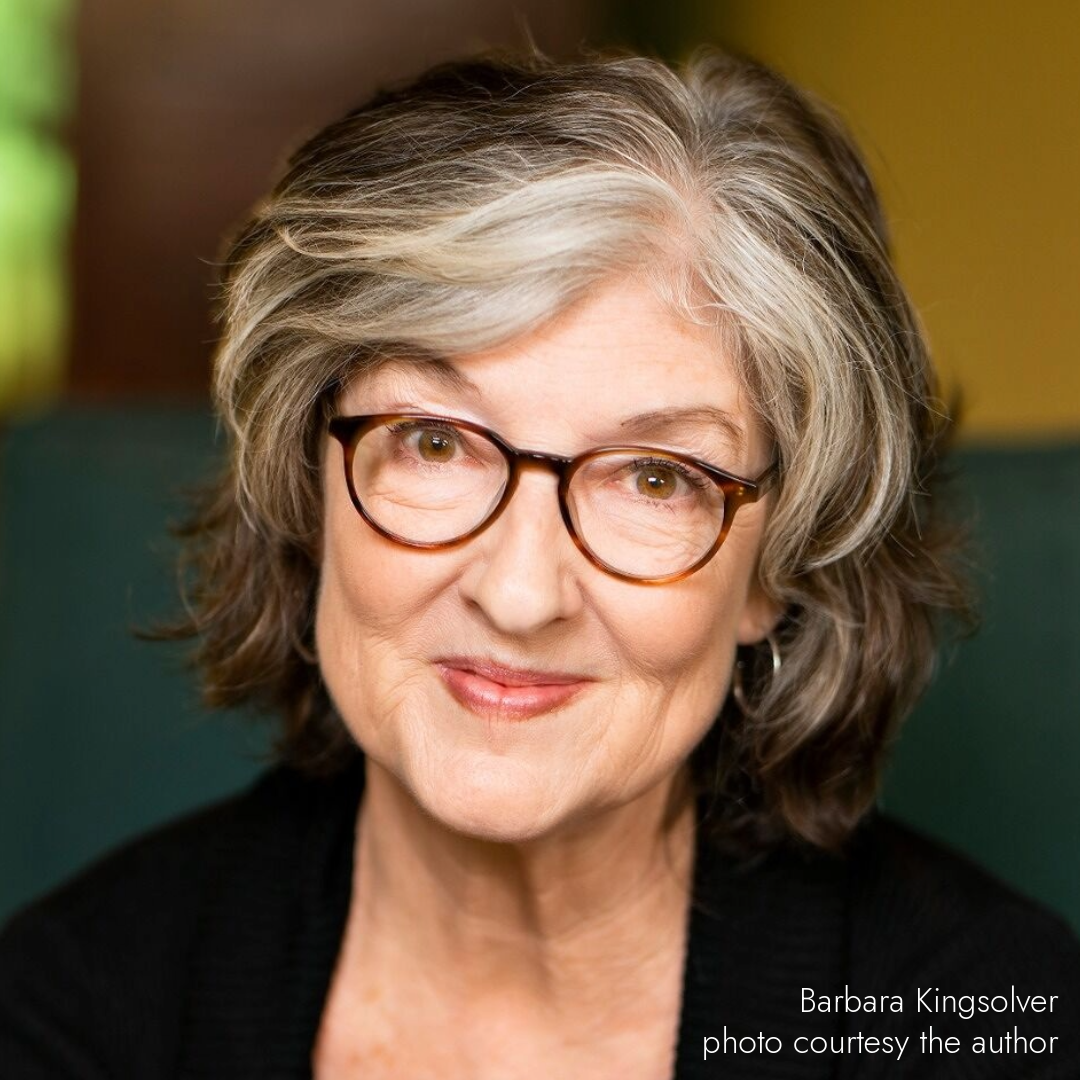 “When I began this novel, for some reason, well, I set out to write a love story, and I had the idea of having my protagonist be a really serious musician who was really in love with her art, in love with creating music. And then when she falls in love with a person, those two passions conflict. I also felt it was really timely. A lot of what this novel is about is the question of why do we need art? What good is music? What does it do for us?”
― Barbara Kingsolver, Interview, NPR
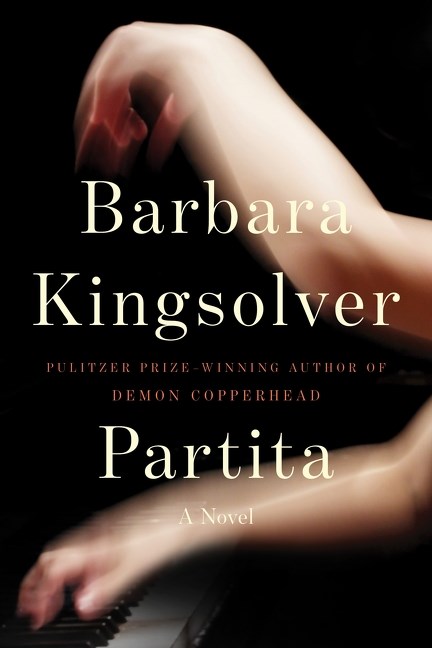
What booksellers are saying about Partita
- Partita is a beautiful tale about love – for others, for the job, for the talent and, most importantly, for yourself. Who are you if you’re suddenly separated from what you’ve always known? How do you mourn such a great loss, pick up the pieces, and move on? How do you let go of everything you thought you would be and settle for a “good enough” life, when you had the potential to be greater? You can tell that Kingsolver did a substantial amount of research on music composition and theory in order to write Partita―I loved the various technical musical jargon that is seamlessly woven throughout the book. I thought it really helped to capture the essence and expertise of the female protagonist. A very well written novel and my first experience with Kingsolver, but certainly will not be my last.
― Shree, Hills & Hamlets Bookshop, Chattahoochee Hills, Georgia | BUY
- We are so lucky to be living in the time of writers as masterful as Barbara Kingslover! I didn’t want to leave Livia, she will steal your heart.
― Cristen, Long Story Books, Atlanta, Georgia | BUY
- Listen, it’s Barbara Kingsolver, the woman is simply incapable of writing a bad book. Partita is a gem, and Kingsolver’s prose is truly unmatched.
― Lily, Quail Ridge Books, Raleigh, North Carolina | BUY
- The delicious introspection of Kingfisher’s characters and writing never disappoints, hitting all the right notes, and Partita is no exception. This haunting yet enchanting melody chronicles a woman’s journey as she escapes, returns to her roots, chases her dreams, faces numerous tribulations, and finds her continual saving grace in music.
― Ashly, Underbrush Books, Rogers, Arkansas | BUY
About Barbara Kingsolver
Barbara Kingsolver is the author of ten bestselling works of fiction, including the novels Unsheltered, The Bean Trees, and The Poisonwood Bible, as well as books of poetry, essays, creative nonfiction, and Coyote’s Wild Home, a children’s book co-authored with Lily Kingsolver. She also collaborated with family members on the influential Animal, Vegetable, Miracle: A Year of Food Life. Kingsolver’s work has been translated into more than thirty languages and has earned a devoted readership at home and abroad. She is a member of the American Academy of Arts and Letters, and has received numerous awards and honors including the 2023 Pulitzer Prize for Fiction for her novel, Demon Copperhead, the National Humanities Medal, and most recently, the National Book Foundation’s Medal for Distinguished Contribution to American Letters. She lives with her husband on a farm in southern Appalachia.

Book Buzz: Partita by Barbara Kingsolver Read More »

 “I think we’re all born with potential, and while it takes thousands of hours of practice to turn that potential into something real, making that kind of commitment is what life is all about. That’s one of the reasons Gen A.I. bothers me so much. There is no effort, no practice, no learning, no growth.”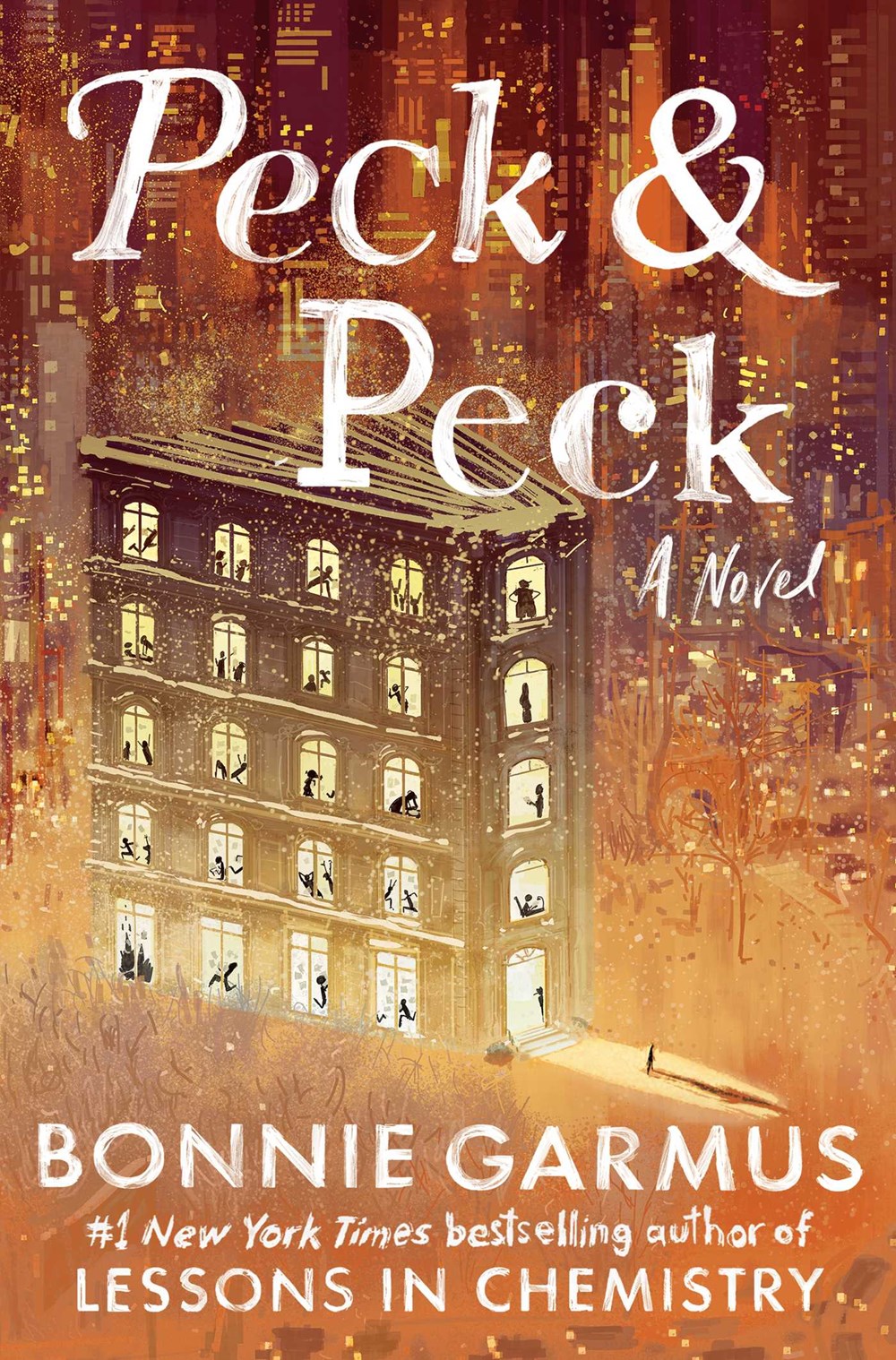


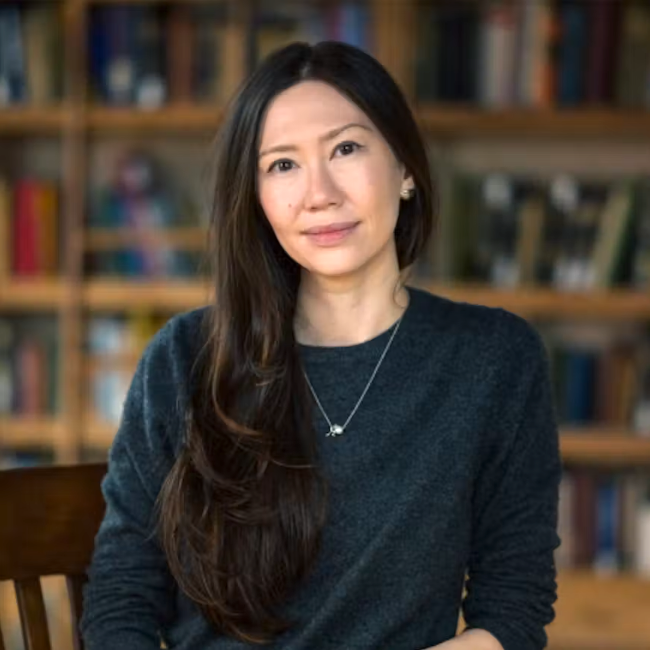 “Bad Words didn’t have a single moment of inspiration! It sort of congealed over many years in book publishing, and I shaped it around a lot of elements I find fun to write and think about. I love a frightening critic character, and I love two characters in diametric opposition being forced to reevaluate each other. I also think it’s an underdiscussed and bonkers fact that the quiet agreement of professional criticism is that, someday, you will become the sworn enemy of somebody in your very small artistic industry, because you can’t like every book.”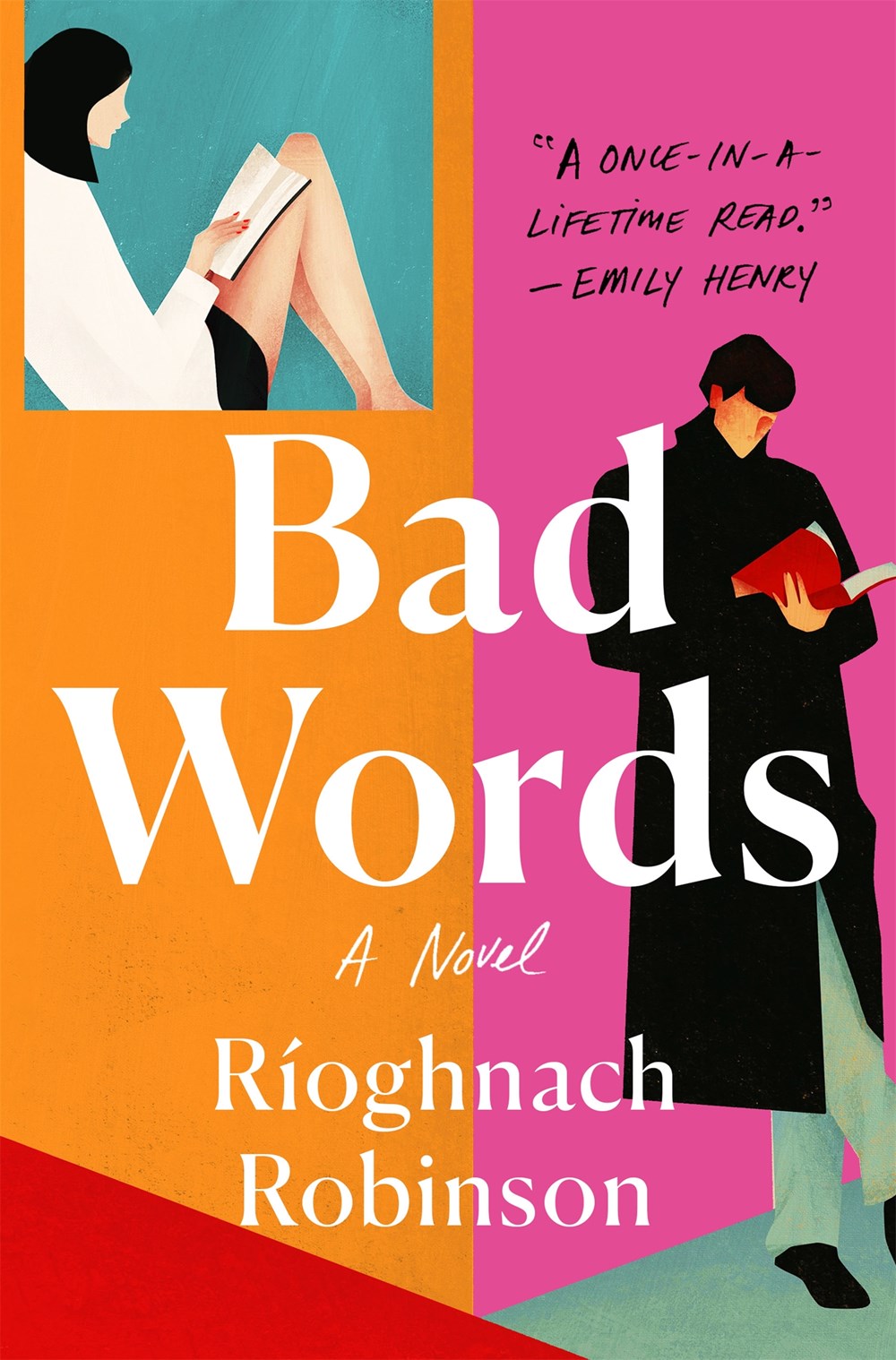


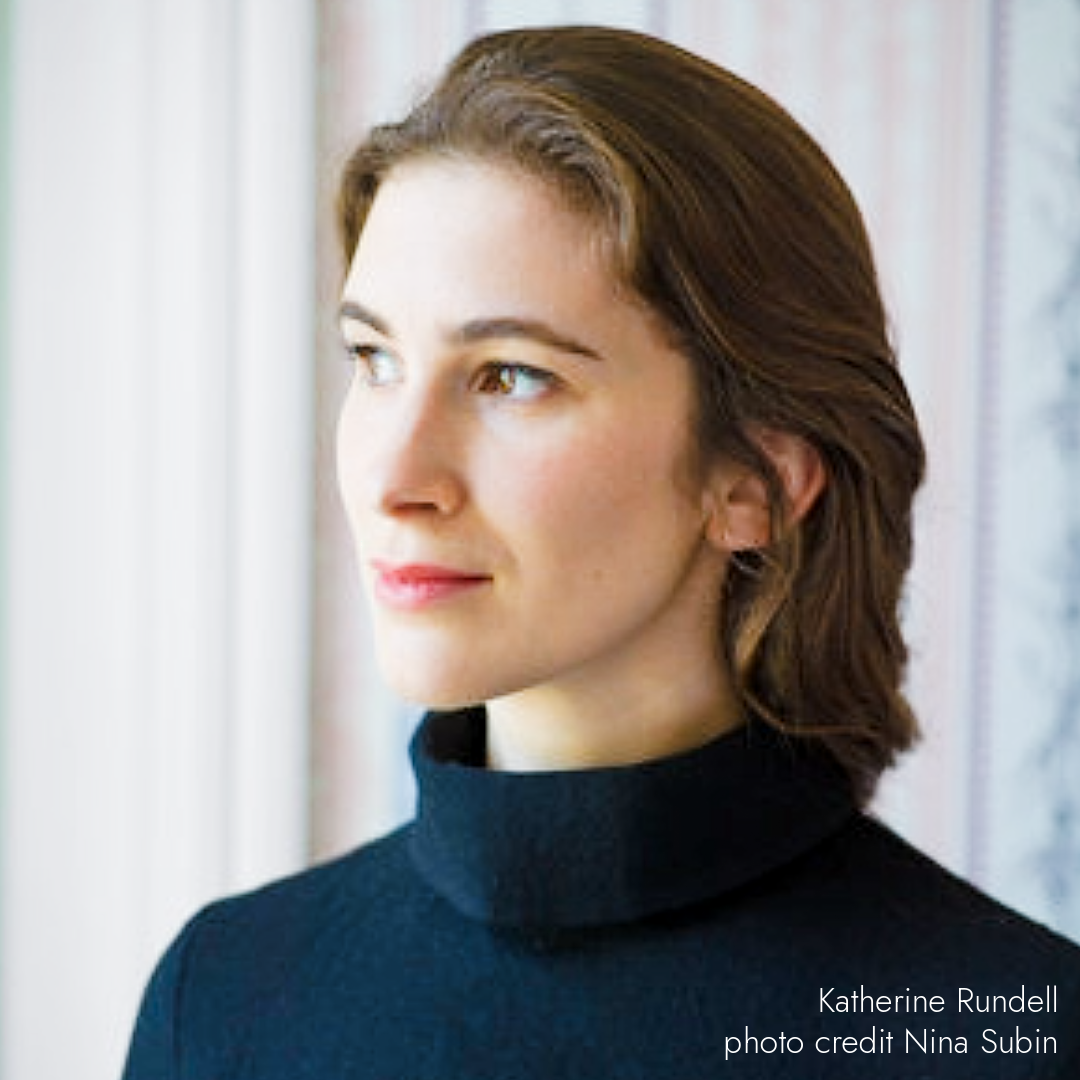 “I think we have been embarrassed by the idea of children’s fiction since children’s fiction began. Martin Amis famously said, ‘People ask me if I ever write a children’s book, and I say, ‘if I had a serious brain injury, then I might write a children’s book.’ But my argument would be not only the children deserve a very finest work, because every time you write for a child, you might be writing someone for whom you are the first book they have ever read in its entirety, but also the greatest children’s books can speak to us about huge themes like power, endurance, fear, faith, care, love, doubt, passion.”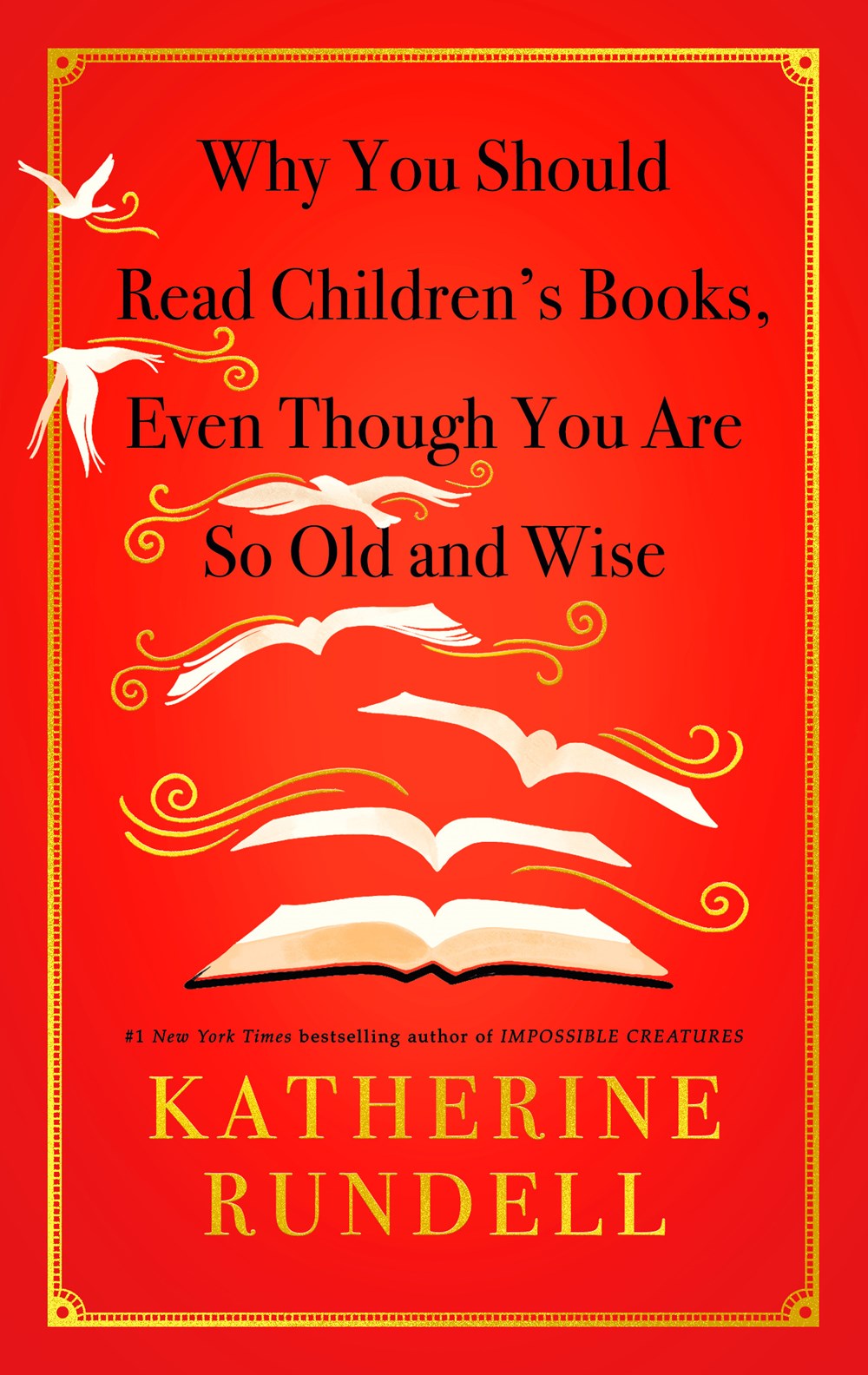


 “I’m drawn to mischief and mystery, the sense of something strange and eerie going on. I sort of wish that I could make children’s books as genuinely frightening and funny as R.L. Stine’s Goosebumps, but I can’t be serious enough to make something deeply terrifying. I go for that, and silliness naturally comes out in the process.”


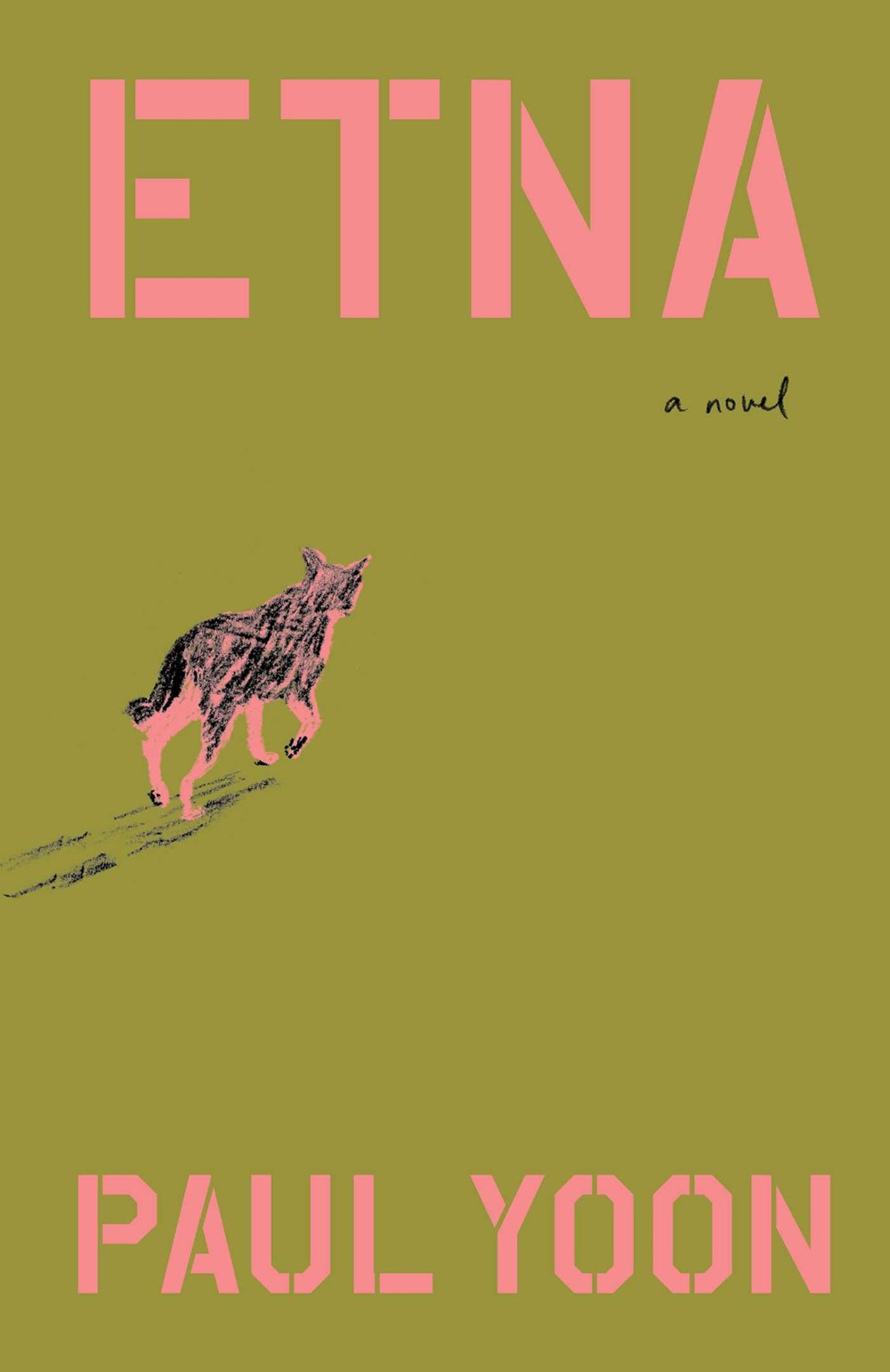
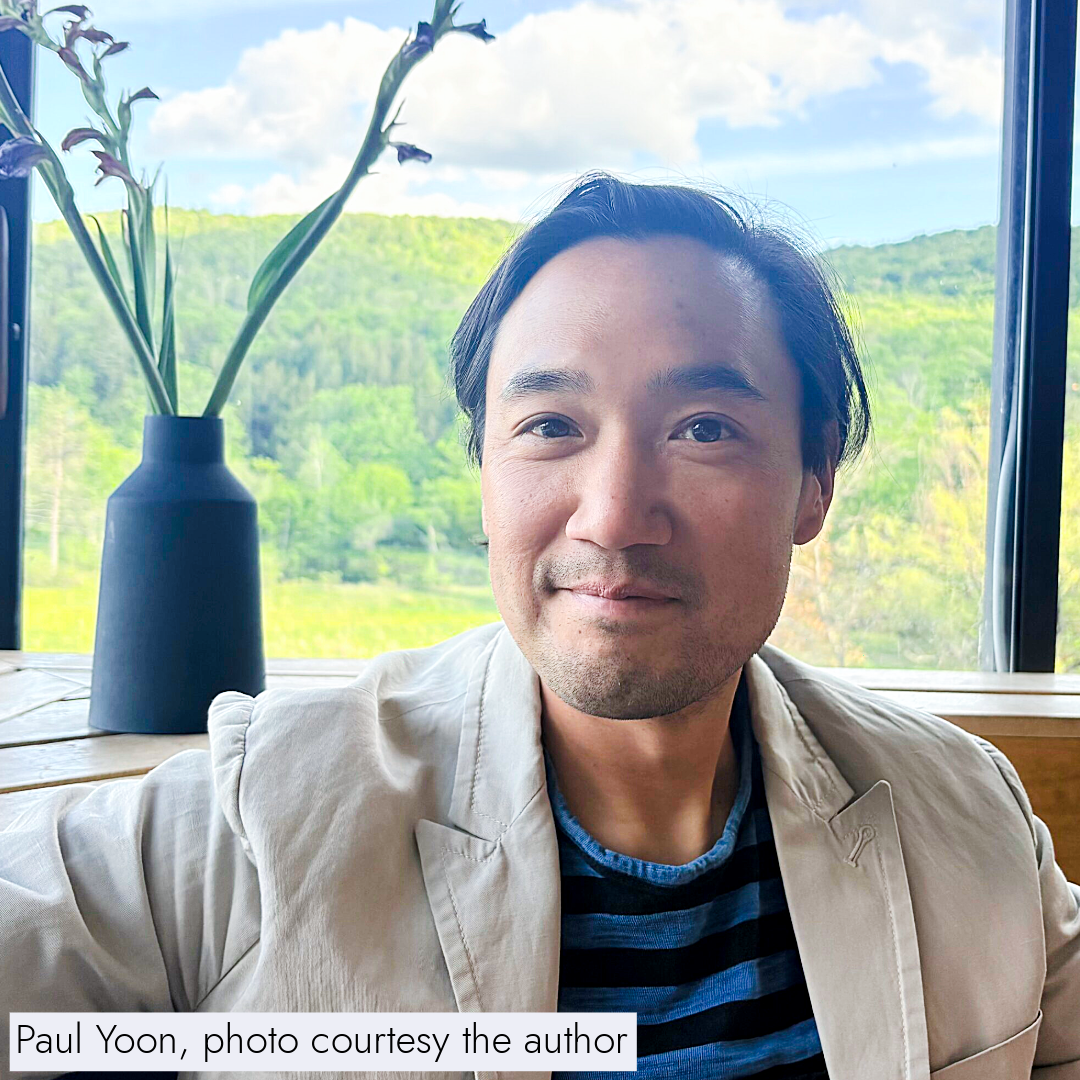 “I think, like all my projects, it was not just one thing [that started this project]. It was a few things. The obvious one and the fastest answer would be I fell in love with a dog. I have a dog who’s 12 years old now. His name is Oscar. My first dog ever, I never had a dog growing up. I know a lot of people who have animals, and they talk to their dogs. I’ll wake up, and I’ll hear my wife, Laura [van den Berg], talking, and I’ll think she’s on the phone or something. And then I realize she’s just talking to Oscar. But I never talked to him out loud, and I still don’t. Other than basic commands, it’s this silent communication, almost like telepathy or something like that, or imagined telepathy. I spent a lot of time thinking about what his voice would sound like. At the same time, over the past few years as we experience the world, read about the world, open up the newsfeed and all that, there’s been a feeling like I’m exhausted by humanity. Exhausted by humans. I say this a little bit jokingly, but I think I just needed a break from humans.
”
“I think, like all my projects, it was not just one thing [that started this project]. It was a few things. The obvious one and the fastest answer would be I fell in love with a dog. I have a dog who’s 12 years old now. His name is Oscar. My first dog ever, I never had a dog growing up. I know a lot of people who have animals, and they talk to their dogs. I’ll wake up, and I’ll hear my wife, Laura [van den Berg], talking, and I’ll think she’s on the phone or something. And then I realize she’s just talking to Oscar. But I never talked to him out loud, and I still don’t. Other than basic commands, it’s this silent communication, almost like telepathy or something like that, or imagined telepathy. I spent a lot of time thinking about what his voice would sound like. At the same time, over the past few years as we experience the world, read about the world, open up the newsfeed and all that, there’s been a feeling like I’m exhausted by humanity. Exhausted by humans. I say this a little bit jokingly, but I think I just needed a break from humans.
” 


 “In December 2017, I was doing some last-minute Christmas shopping in a mall in Miami. I was about to leave when I heard some pops over a loudspeaker. People around me started running, screaming, crying. We thought we were in a mass shooting. It turned out to be a hoax. Before I knew it wasn’t real, I ran with the crowd and hid behind a bush, where I pondered my whole life.


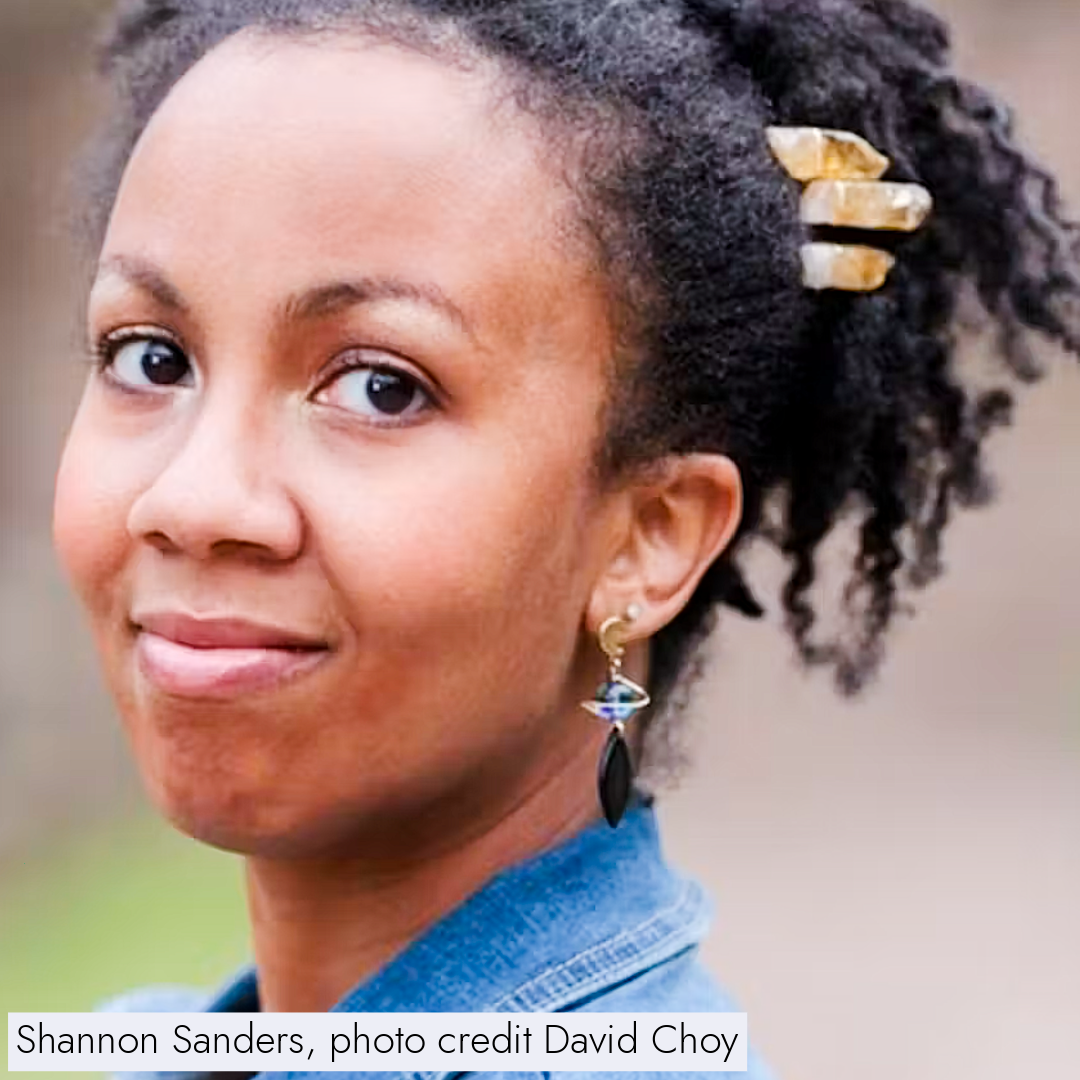 “I was visiting a bookstore when I dreamed up the opening lines to The Great Wherever. I was standing in my favorite sections―literary fiction―browsing backlist titles and delighting at how some of my longtime favorites blended the modern and hyper-realistic with unexpected elements of the supernatural. I’d been noodling over a novel for years by then, and suddenly―as if a key had turned in a lock―one began writing itself on the journal in my mind. First came the opening words, and then a sudden revelation: A ghost should tell this story.”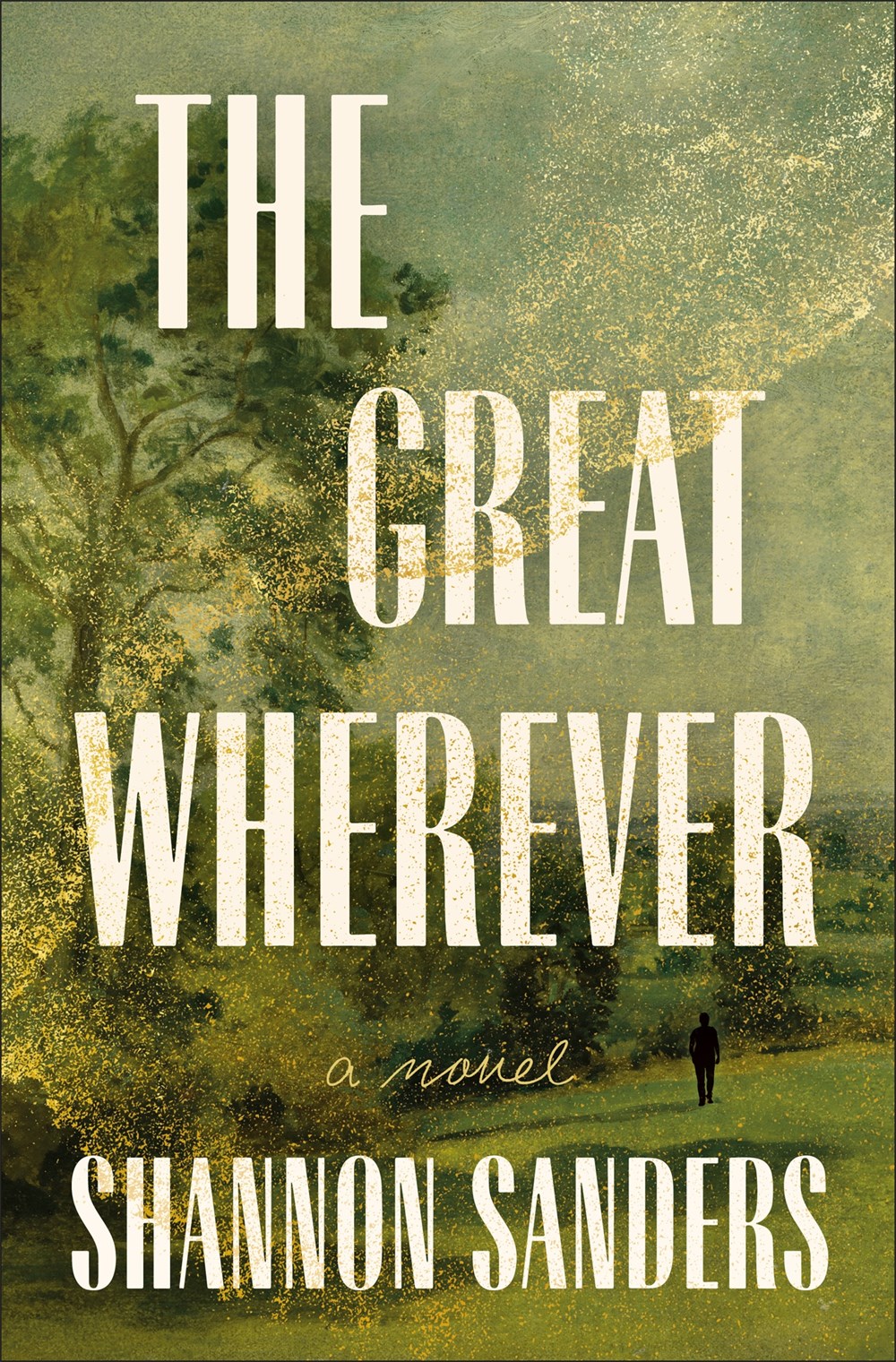


 “Sometimes a story blows through your heart like a strong wind. That’s how it felt writing Habits of the Sea.
It haunted my sleep and prodded at me when I was awake. I had no other choice but to write it. It’s not my story. It belongs to someone else. Someone from long ago. Another timeline. Another life. One, I suspect, I’ll never fully understand.”
“Sometimes a story blows through your heart like a strong wind. That’s how it felt writing Habits of the Sea.
It haunted my sleep and prodded at me when I was awake. I had no other choice but to write it. It’s not my story. It belongs to someone else. Someone from long ago. Another timeline. Another life. One, I suspect, I’ll never fully understand.” 




 “I’ve always really been fascinated in maps and the idea of mapping and the impulse to map. I think it is a real human instinct to do it. It actually – as humans, it predates our ability to write. You know, the first known map in the world is an Iron Age map on the walls of a cave in what’s now the Italian Alps in a place called Bedolina. And somebody at some point was filled with the urge to draw, to scratch into the rock this exquisite rendering of their home – their fields and huts and their sort of town, I suppose you would call it. And it’s just such an interesting representation of the urge to say, this is who I am. This is where I am. But of course, you fast-forward a – say, a thousand years or so and you get to the Roman Empire. And from that point on, it’s impossible to disentangle the urge to map from the urge to possess, the – from colonialism.”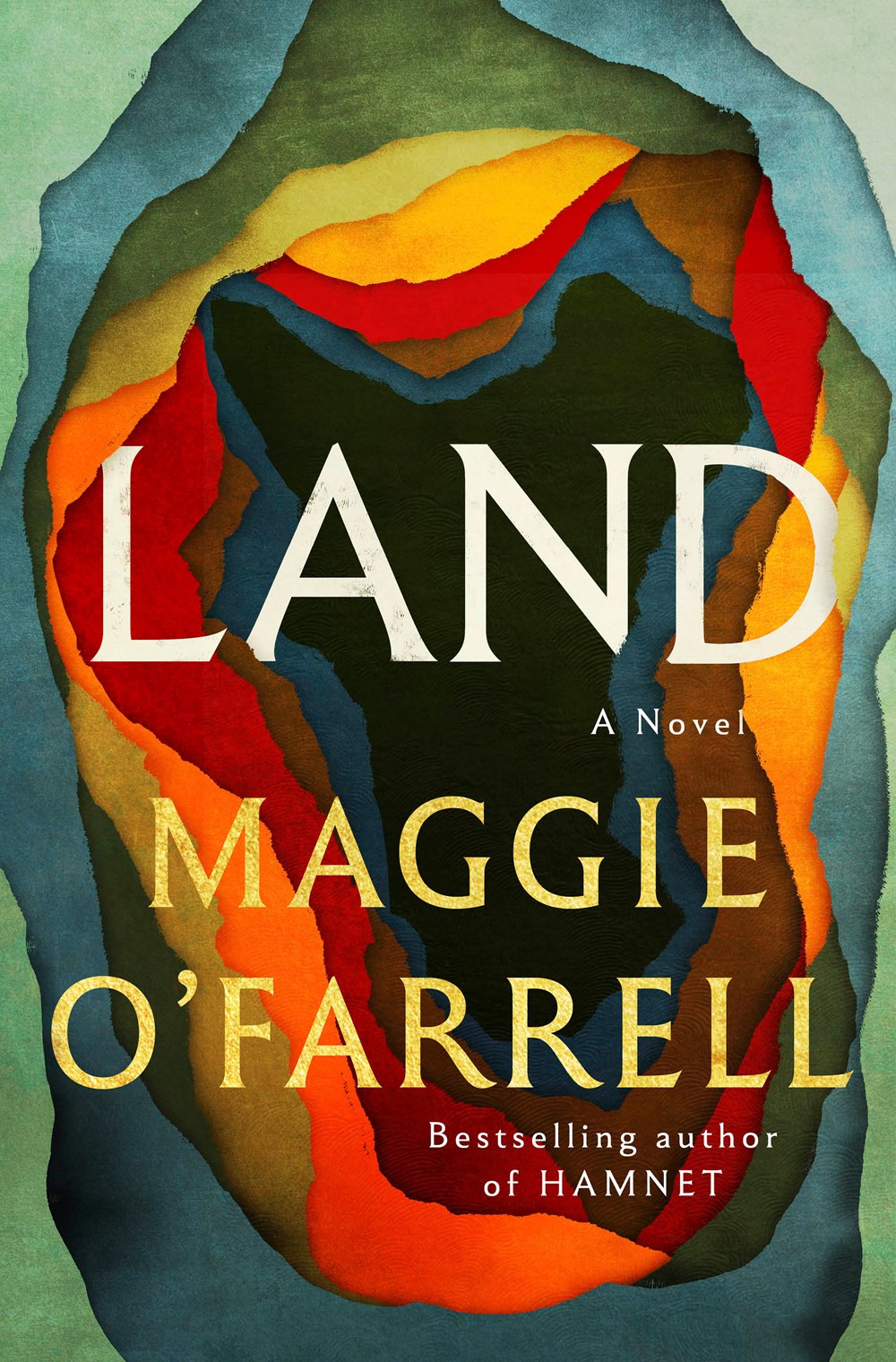


 “I think that we certainly talk about pregnancy and motherhood and reproductive freedoms. These are conversations that we are having, but within pretty narrow parameters. And what I liked about this idea was the opportunity to talk about some of those issues from a different lens than usual — not least because so many people’s minds are already made up about so many of these ideas, and that means that we can’t really have a conversation. But if we change the lens, if we change the approach, if we change the givens and the parameters that we go in with, then we get to have a conversation.


 “One of the things that really interested me was the parents investigating their son’s death. He goes off the balcony of this luxury building into the Thames. It’s unclear, is this a suicide? Is it murder? Is it something more exotic? The parents trust Scotland Yard to get to the bottom of it, but then there’s this gradual awareness that the police aren’t actually going to come and help. So they have to try and work it out themselves. That was really interesting to me as a dynamic. They’re incredibly invested, but they also get pulled into this underworld in London inside the city they hadn’t known.”


 “I thought about setting the historical timeline before the Meiji Restoration, when the samurai still would have had social standing and power. But ultimately, I liked the idea of Sen’s family desperately clinging to the past glory of the samurai, because desperate characters do irrational things. I also liked that because Sen’s father essentially wants to start a whole new samurai rebellion from scratch. The stakes feel much more like a personal vendetta than a political movement. I think this decision fit better with the story I was trying to tell — I’m more interested in talking about the mistakes of one family who happened to be samurai rather than commenting on the samurai at large.”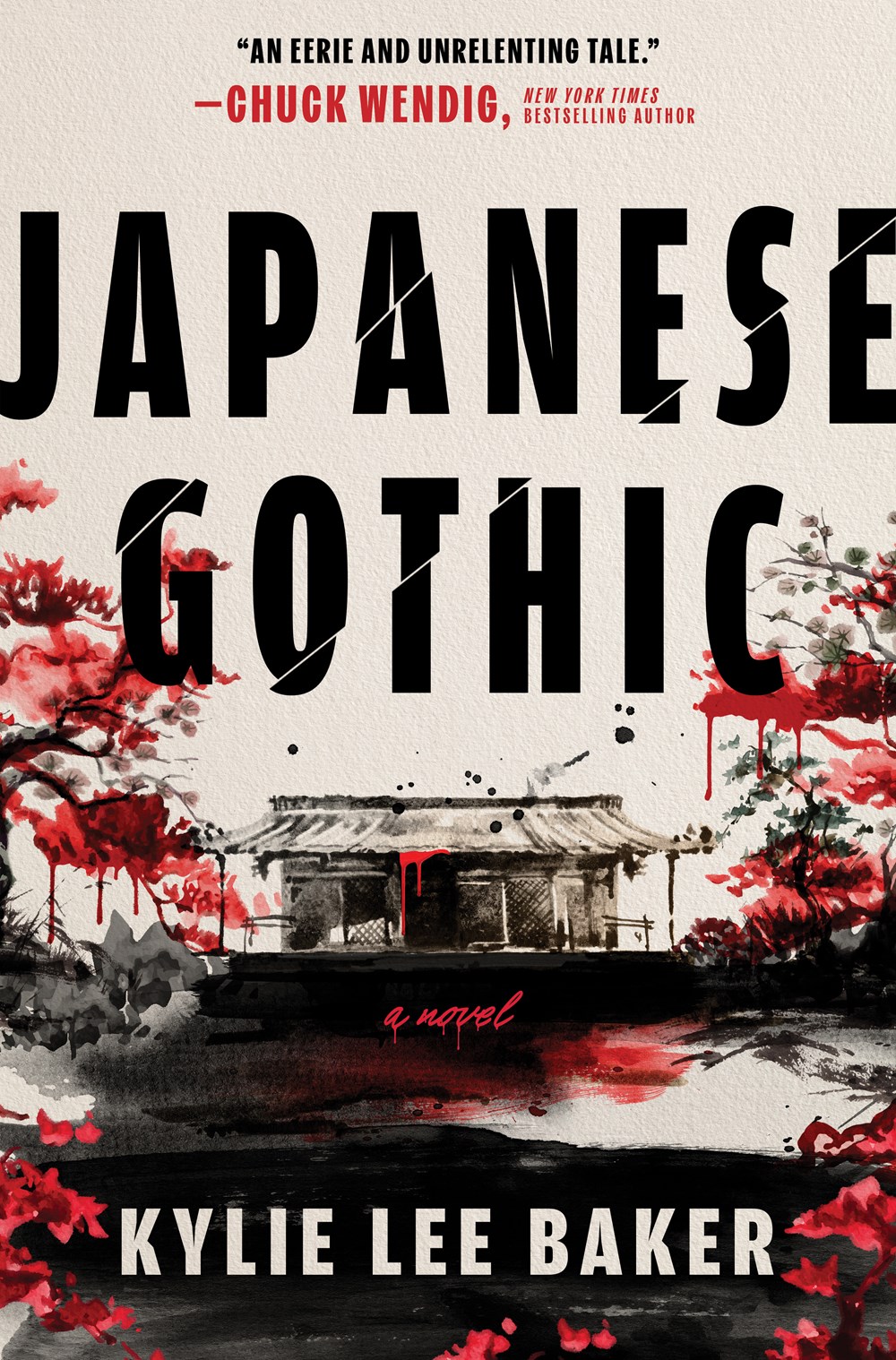


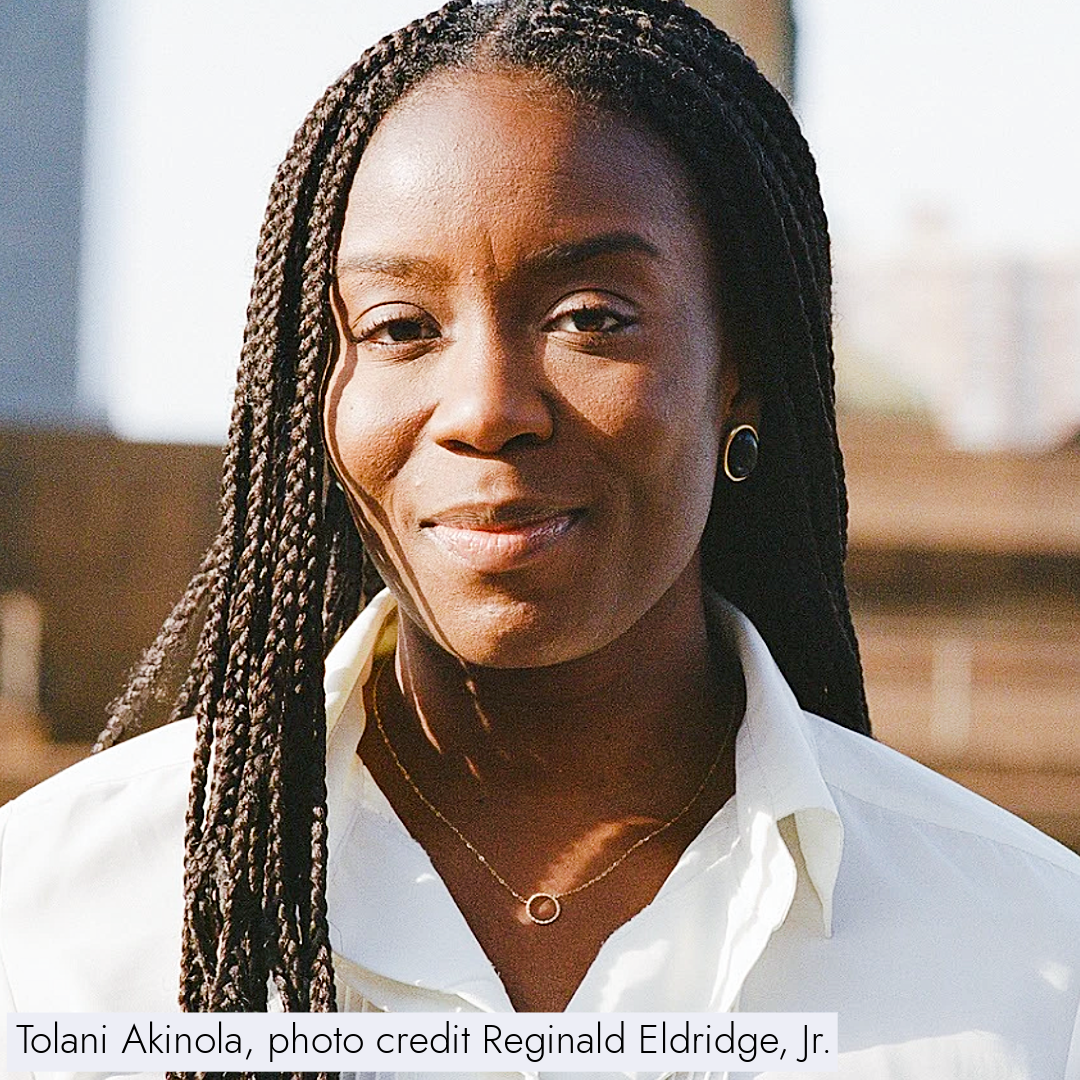 “When I sat down to write this novel, it ended up going in a completely different direction than what I had intended. I’d originally wanted to write an unrequited love story. As I was writing the first few scenes, I was like, “Oh, these people actually both love each other, so that’s not working. Also, I really feel the need to explore how this character has come to love in this way, and to deny herself love in this way.