

Book Buzz: Under Water by Tara Menon

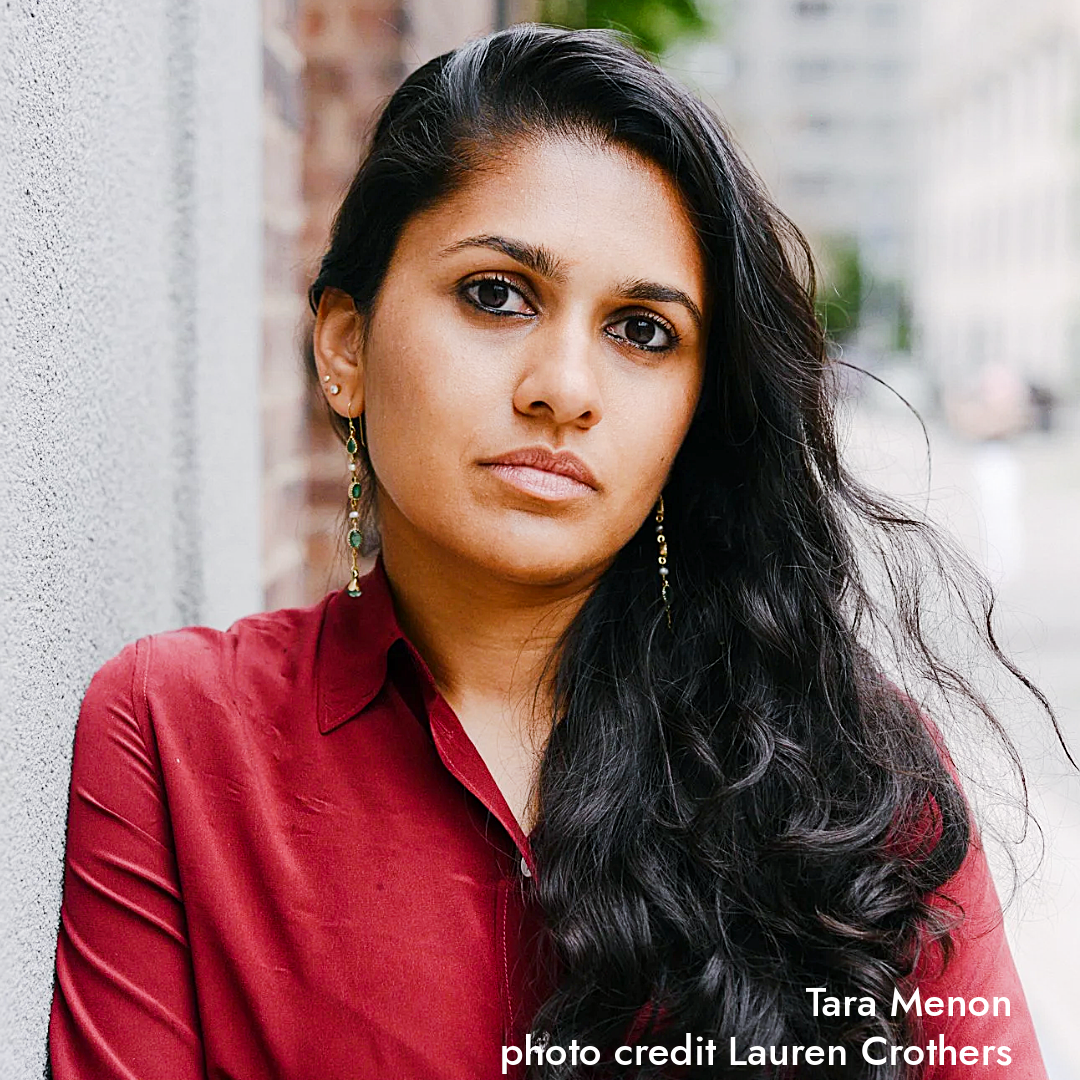 “When we think of environmental disaster or climate change, we often think of catastrophic events—the Californian or Australian wildfires, deadly floods in Bangladesh or Pakistan, a destructive typhoon or hurricane. When events like those becomes the point of focus, we stop thinking about other kinds of destruction and degradation. I wanted to find a way to reveal what Rob Nixon called slow violence. I didn’t want the major catastrophes to entirely dominate the novel; I wanted to bring slower instances of change to the foreground.”
― Tara Menon, Interview, Public Books
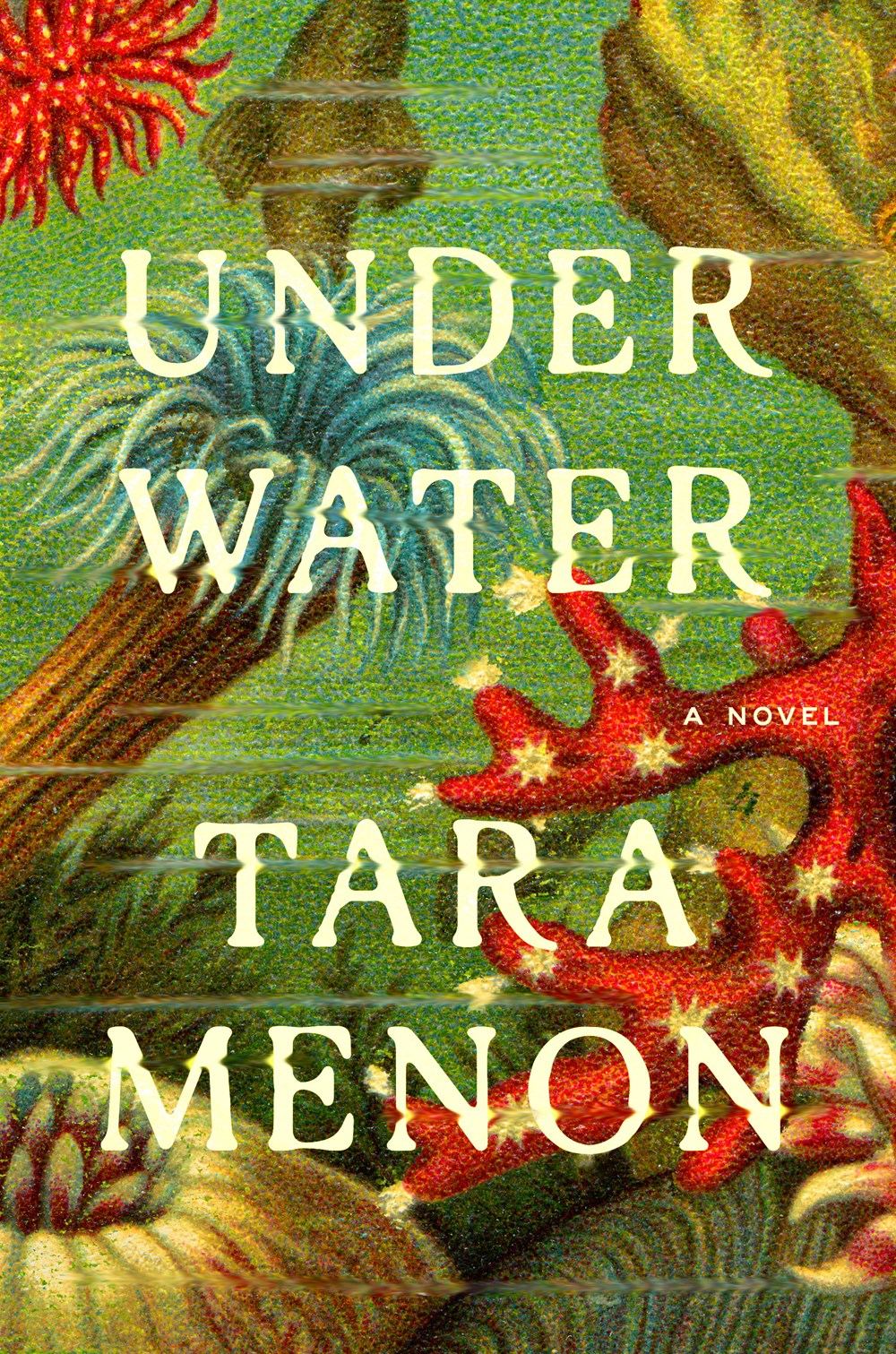
What booksellers are saying about Under Water
- A beautifully written book that delves into the loss of true friendship and the grief and regret that goes with it. Marissa and Arielle were best friends, inseparable, until a horrific tragedy that left one gone and the other grieving for years. A heartbreaking story about friendship, loss and finding your way back home.
― Kathy, Sundog Books, Santa Rosa Beach, Florida | BUY
- Fantastic! This wasn’t like anything I think I’ve ever read before. We are walking through New York City with our main character Marissa, on the day that Hurricane Sandy hits, as she remembers another horrific day eight years earlier. That’s all you need to know… This is beautifully written and so well done! The author does a great job pulling you in and immersing you into Marissa’s childhood as she grows up with her best friend, Arielle, in Thailand. There were so many elements of this book that I loved and will keep an eye out for this author going forward!
― Allyn, The Bluffton Bookshop, Bluffton , South Carolina | BUY
- A heartbreaking, powerful exploration of friendship, grief, and loss, set against the backdrop of two natural disasters. I appreciated the slow, steady nature of this book and felt myself transported to Thailand and New York City, where Menon painstakingly recreates the beauty and wonder of nature, not just through these storms, but through the wildlife and landscapes of each place. Bearing witness to Tess’s grief for her friend and the ways she tries to move through the world all these years later is an experience that will stay with me long after finishing this story.
― Beth, Bookmarks, Winston-Salem, North Carolina | BUY
About Tara Menon
Tara Menon was born in India, grew up in Singapore, spent a decade in New York, and now lives in Cambridge, Massachusetts where she is an assistant professor of English at Harvard University. Her writing has appeared in The New York Times Book Review, the Nation and the Paris Review.

Book Buzz: Under Water by Tara Menon Read More »

 “I am endlessly fascinated by sexuality—it’s almost embarrassing how much it shows in my published works. Similarly, I’m always exploring grief and the loss of innocence. Writing 200 Monas felt like a fun way to explore both simultaneously. The intersection between grief and sex somehow reminded me of being young, when the death of my father coincided with my spring awakening; I was always seeking refuge in romantic relationships, sexy films, and perverted conversations with my friends. I wanted to write something that captured that dichotomy in some way, this idea of being sad and horny at the same time.”


 “There are only so many stories out there—people say seven—but for me, the question is always: what is the question I want to ask?…In Kin, the question I was interested in interrogating is the idea of searching for one’s mother. The classic story tells us, of course you search for your mother. If someone says, I don’t know where my mother is, we frame it as a brave quest to find her. But I wanted to question that impulse. Is it always better to know? Is it okay not to know? Can we learn to be satisfied with not knowing? In real life, people can be satisfied with what they have. In real life, you can marry someone who isn’t the person you once dreamed of and still have a good life. In a story, that’s often treated as an unpardonable compromise. I’m trying to bring into story life the wisdom we already know from real life.”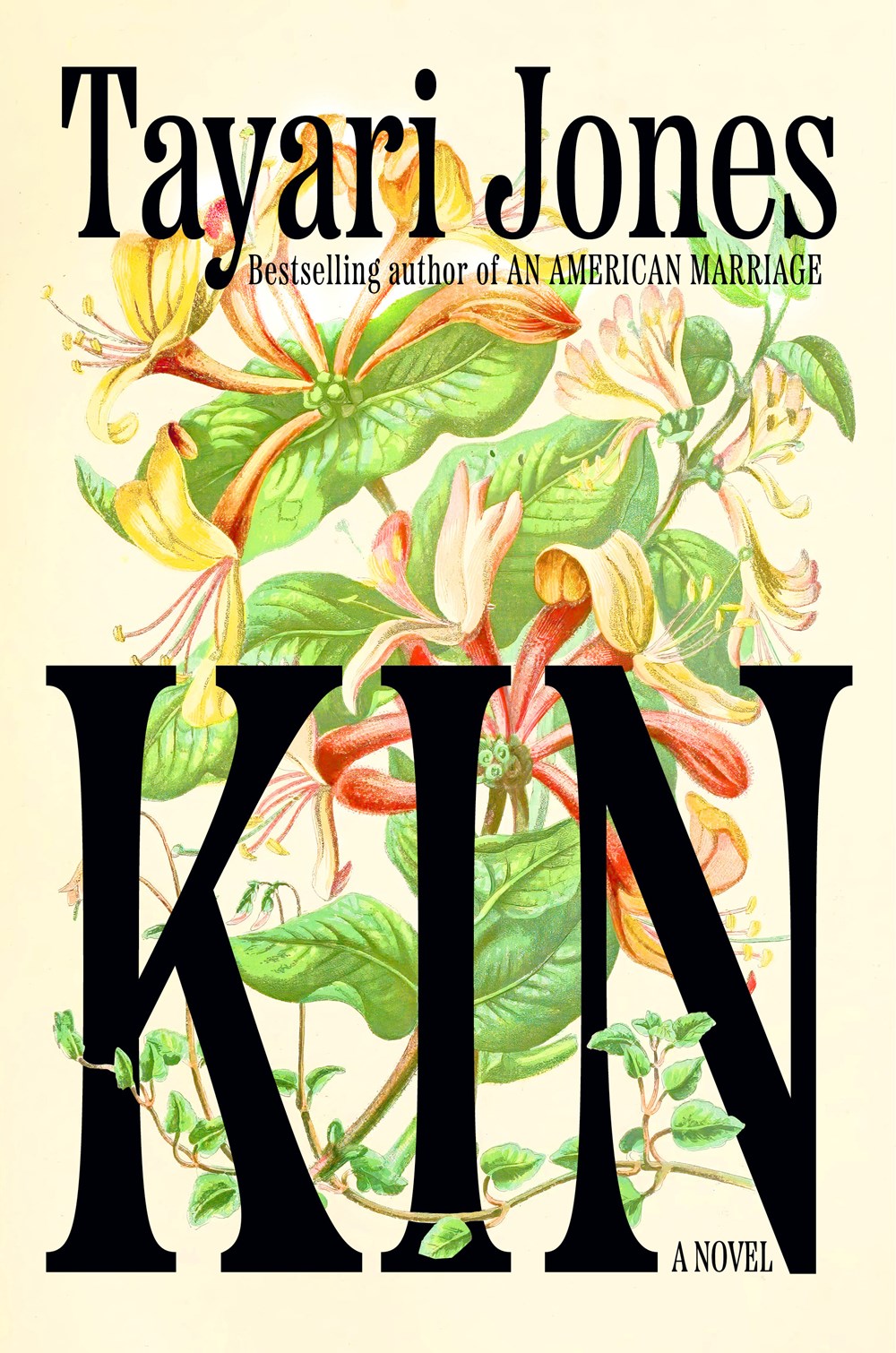


 “When I learned about the Lebensborn, many years ago, I had a hard time believing this could be true. When I was able to confirm it, I was deeply appalled and knew I had to write about it. And I felt a book about this subject could only be for adults…the strong feelings I had about the Lebensborn never left me. Even back then, I felt girls should know about this terrible aspect of that war…It wasn’t until I learned, later, that children as young as 11 were working as couriers for the Resistance that the first seed for The Lions’ Run was planted. I began to wonder if those 11-year-olds were aware of how courageous they were. I think a lot about courage in kids; they are often confused about what it means to be brave.”


 “There’s a moment in the book where Sage learns that grief is like hunger and that she will always be grieving like there’s never going to be a day that we don’t need to eat,…I can have breakfast, and then by dinnertime, I need to eat again, and next week I’m going to need a meal, and three years from now, I’m going to be hungry. That was freeing for me as a person. It wasn’t just a plot point or something to just put in the book. It was really what I needed for myself to understand that I would always miss my mother, or that there will always be some issue that we’re fighting against and standing up for in this nation, and that I can hold all of that. That’s normal and I’m okay.”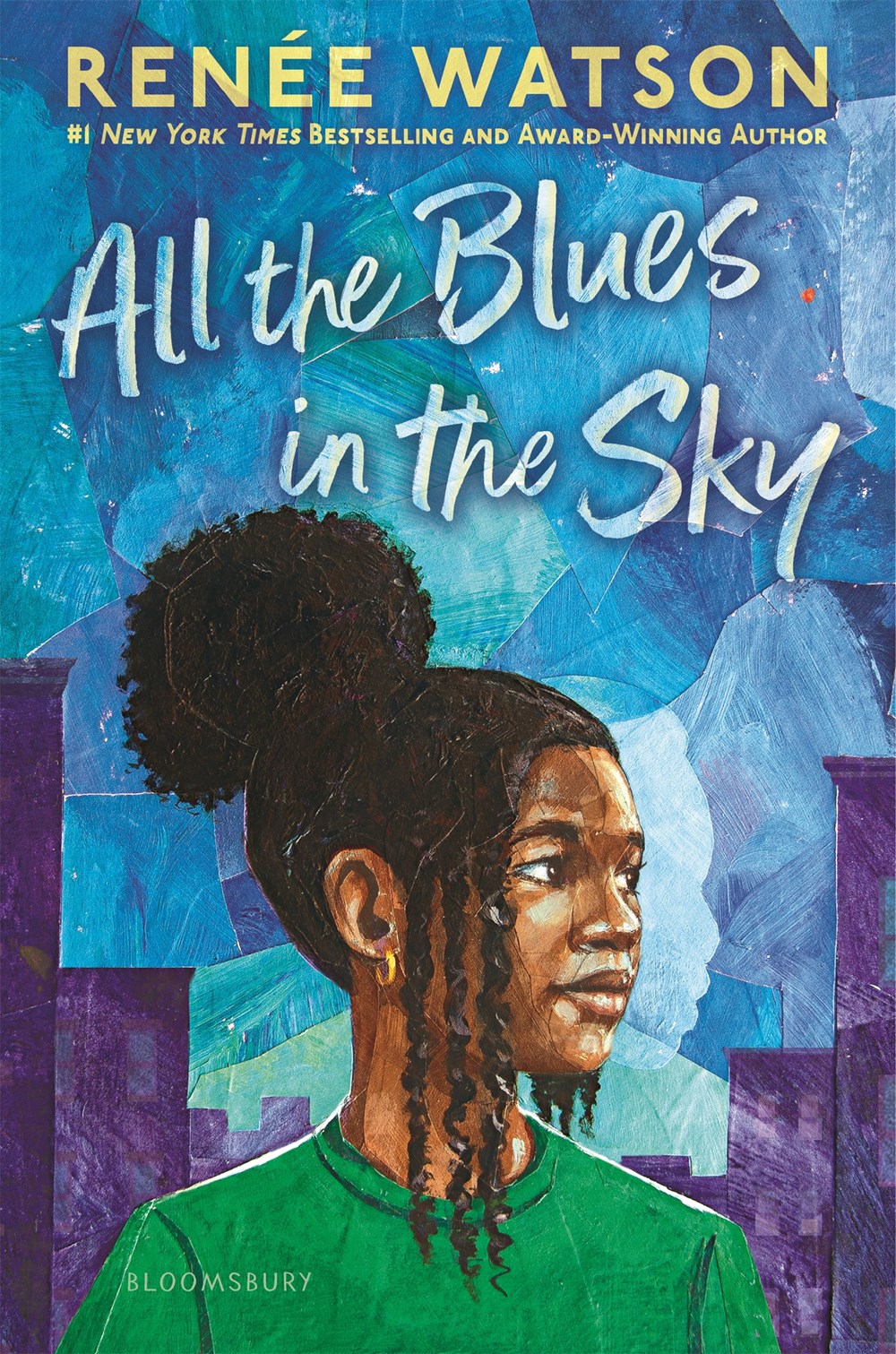


 “I really enjoyed writing from Beth’s perspective. When I first read Little Women, I didn’t much like Beth. Honestly, she freaked me out. I couldn’t understand how she could accept her own untimely end with such ease. I wanted to shake her and say, “Aren’t you going to fight? Don’t you want to live?” Of course, she did. Writing Beth Is Dead helped me understand that Beth March never wanted to die, but she wasn’t given a choice, and she faced the unimaginable with bravery and strength..”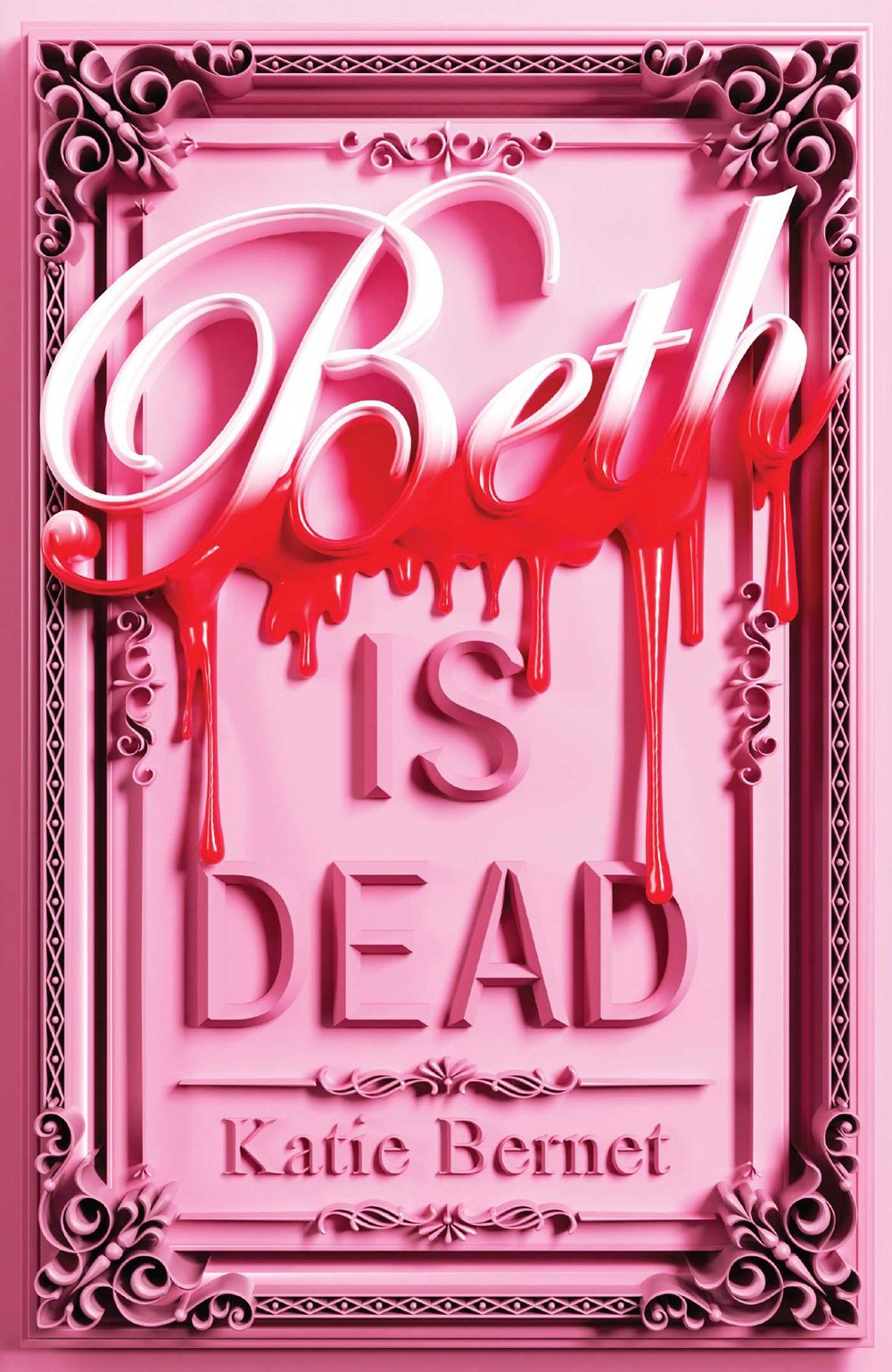


 “I am obsessed with old Hollywood. I used to love Nick at Night and all the old classic TV shows. I’ve always been fascinated by that, but I’ve also always been fascinated by the fact that we all have a behind-the-scenes. And when I was touring for All the Bright Places, which is a young adult book I wrote years ago, the thing I heard most from my readers was, “Thank you for letting me know that it’s okay to be messy. It’s okay to be me, that, you know, I feel seen, and I matter.” And I just kept thinking about the fact that it’s so sad that so many people, well, all of us actually, have a behind-the-scenes that we aren’t always comfortable showing or sharing with other people. And so I wanted to write something about that. And then I thought, oh, I could combine it with my love for Hollywood because God knows there’s a lot going on behind the scenes there.”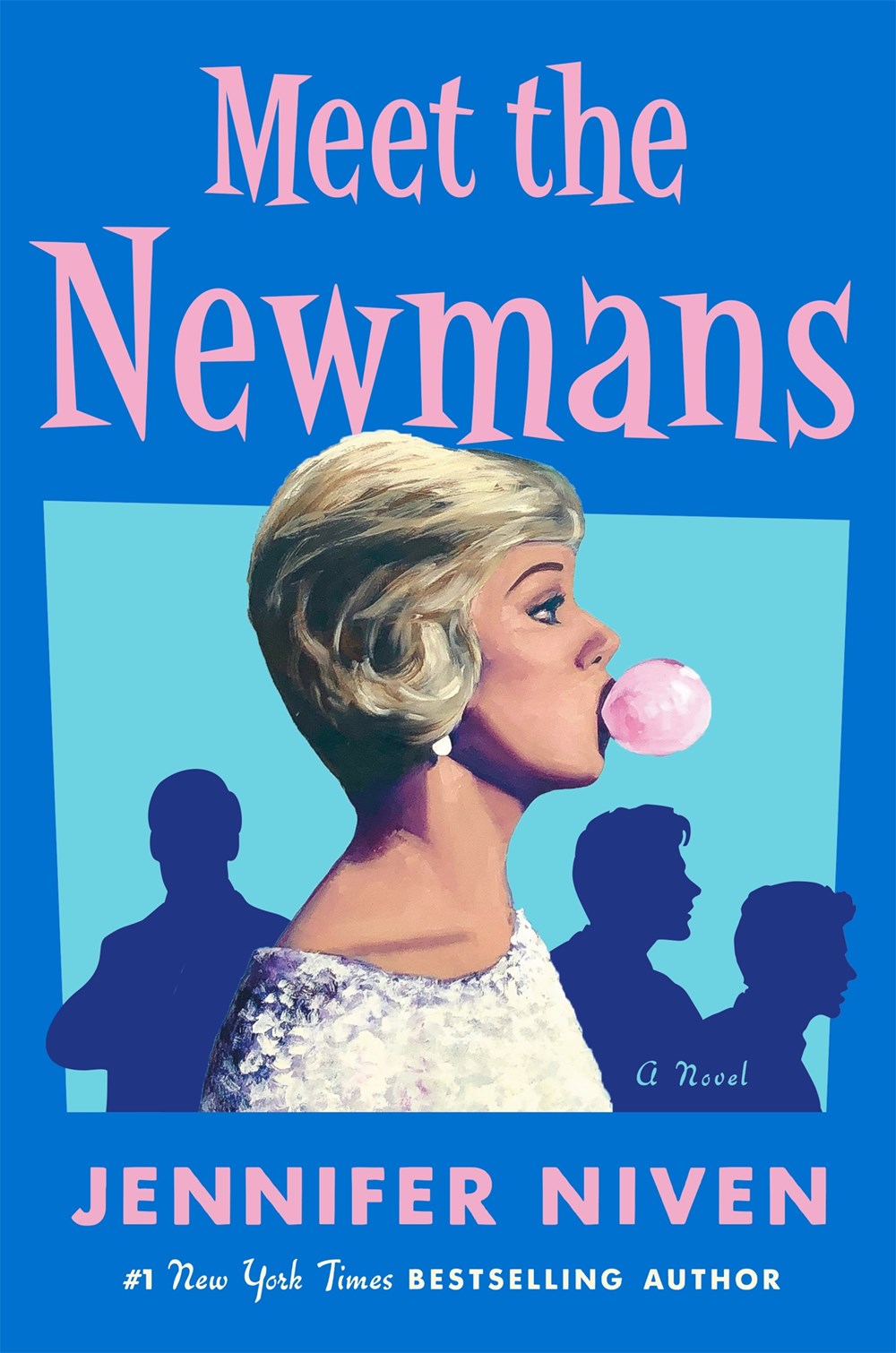


 “I had what feels to me like a bizarre, non-linear experience in the movie business. I was never a part of any union, and worked all kinds of non-union assisting jobs to finance my own projects, which had small crews and shot on film in a very guerilla fashion. I didn’t go to film school, so everything I learned about telling stories in that way came from asking a lot of questions of crew members on various sets, watching a lot of movies and interviews, and making things up as I went along.”


 “My dad never spoke much about his family growing up. I knew some basics. He had grown up in Hawaii. His Aunt Ruth lived in New York, and his parents had passed. So when he called me and said Aunt Ruth wants to meet you, do you want to go meet her? I was like, so excited. This was like finally a step into my father’s past. We drove to Charleston and went and met my Aunt Ruth and we walked in and she was just this sweet little old lady. We sat and had a great conversation. I was really enjoying getting to know her. And on the coffee table next to where she was sitting, I noticed this wedding picture, and I looked at it. And I’m like, Oh, are those my grandparents? And she nodded, Yes. And I was like, Can you tell me something about them? My father never speaks of them. And she just sat there and didn’t respond. [I asked] Can you tell me anything? How did they meet, when did they get married? And she cut me off and she said, You have a good life. Don’t ruin it with the past.”


 “There were many moments when I wondered if I was making Margo too despicable. But I hoped that building out her backstory and giving her a wicked sense of humor would generate some empathy and induce readers to stick around. Because yeah, she does some horrible things and has some appalling views, but funny people are usually at least a solid hang! She’s also self-made, having come from humble, somewhat tragic beginnings, which I personally admire about her and hoped others would, too.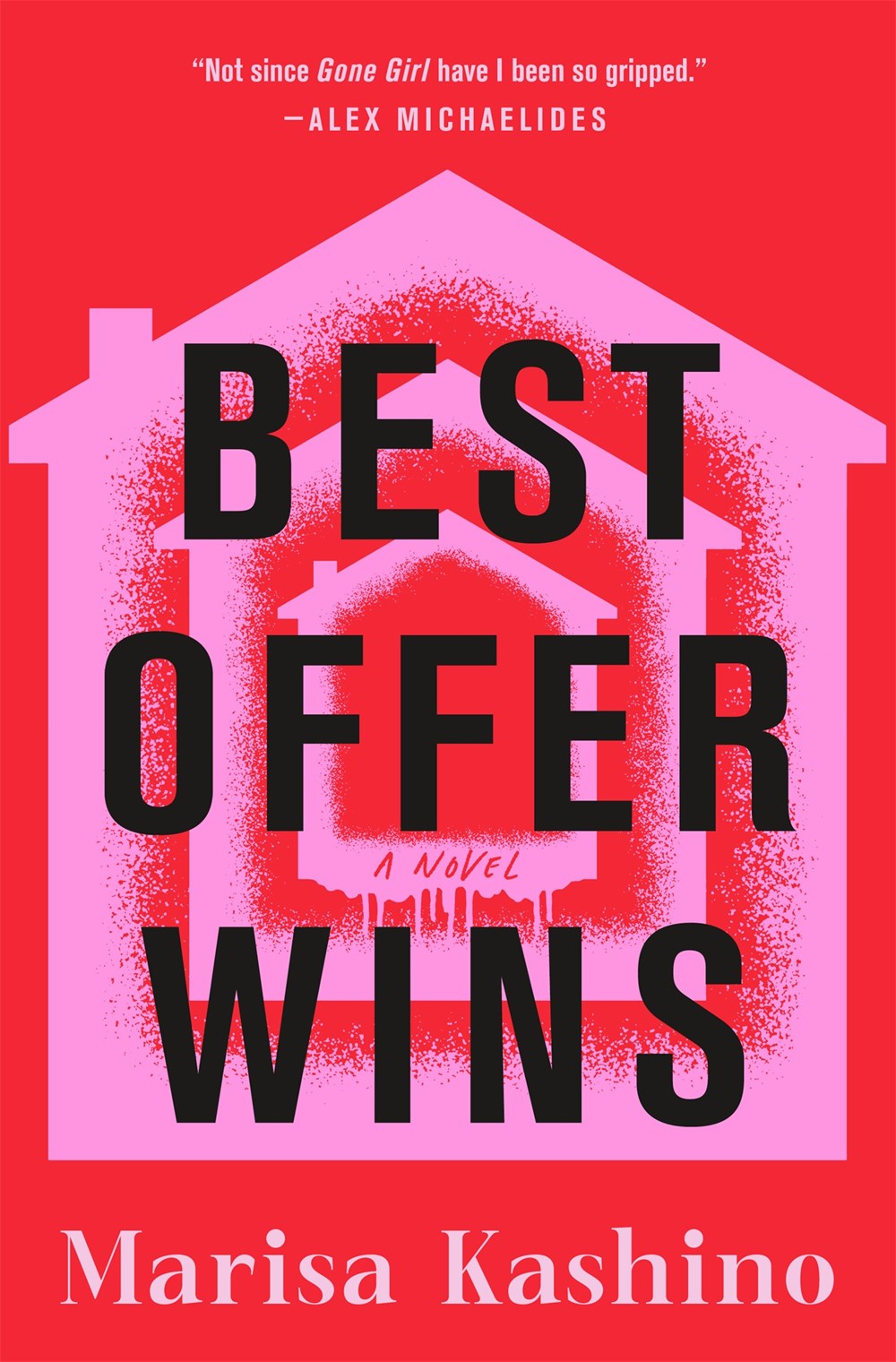


 “I worked on a gubernatorial campaign in high school and fell hard for the drama and passion that surround elections. Nostalgic for shows like The West Wing and Scandal, I began weaving together an unlikely love story between opposing candidates forced to confront their past…This novel is about the experiences that bind us together and the differences that tear us apart as two people navigate the tension between love and ambition…To be loved is to be seen but for Tess and Grant, the person they love sees the world very differently.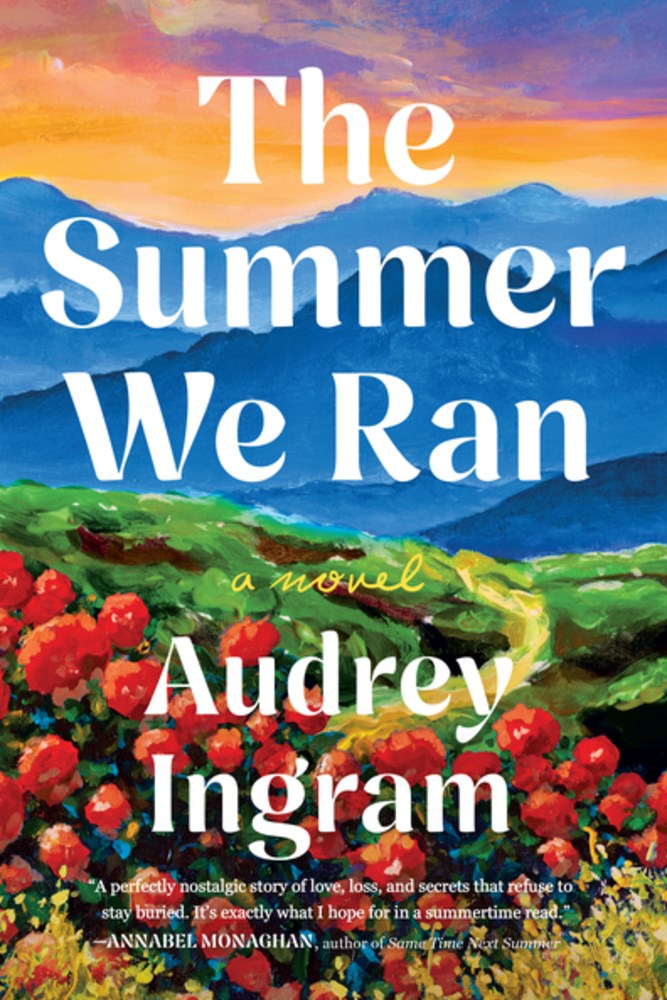


 “I’ve moved a lot, including back and forth across the country three times! When I moved to the Washington, DC, area, I learned about luna moths—beautiful and short-lived moths who can only be found on the eastern side of the country. This helped me realize that there would be special and unique things about my new home. Since so many kids deal with the difficult experience of moving, I thought this might be the beginning of a new story idea.”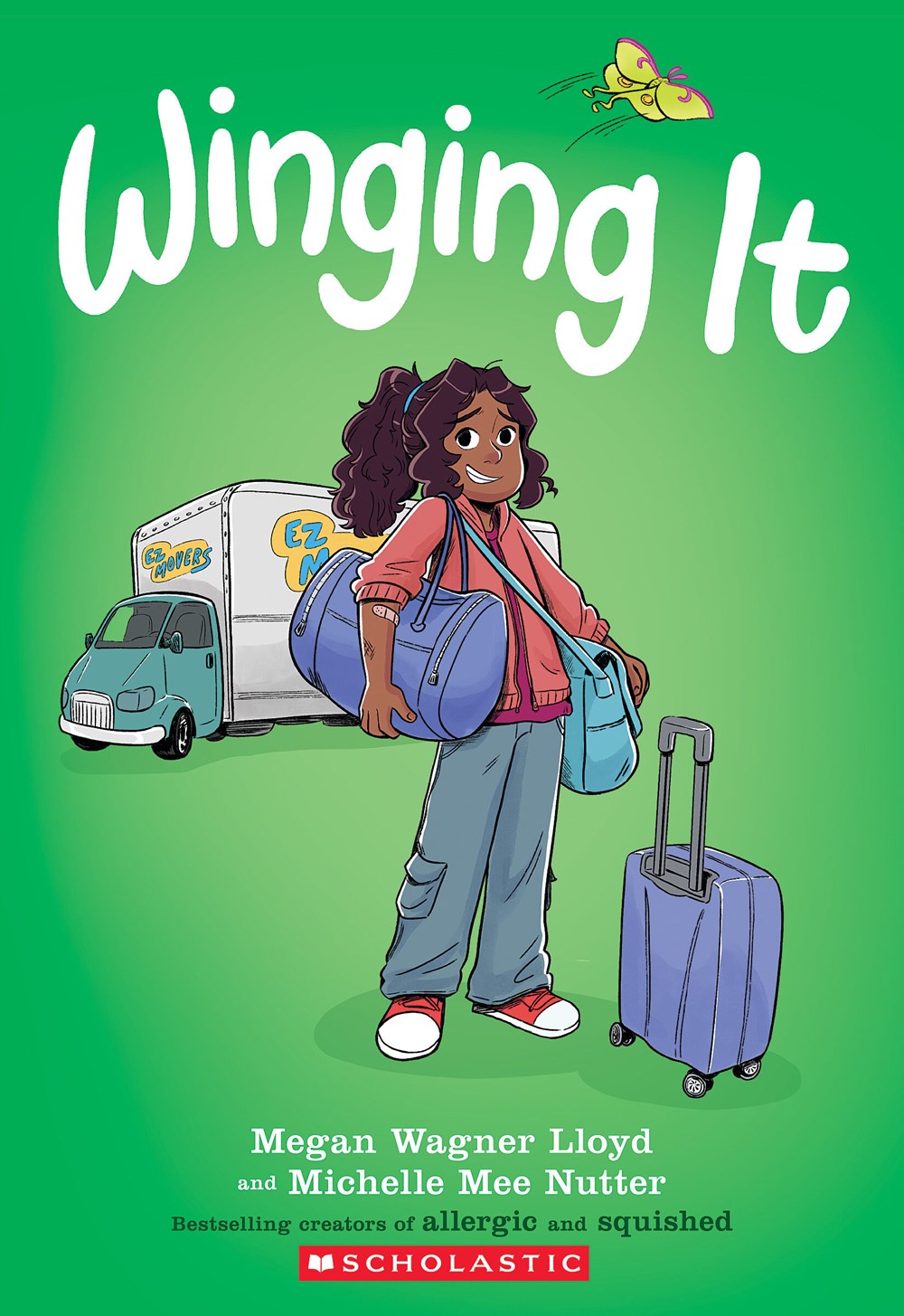


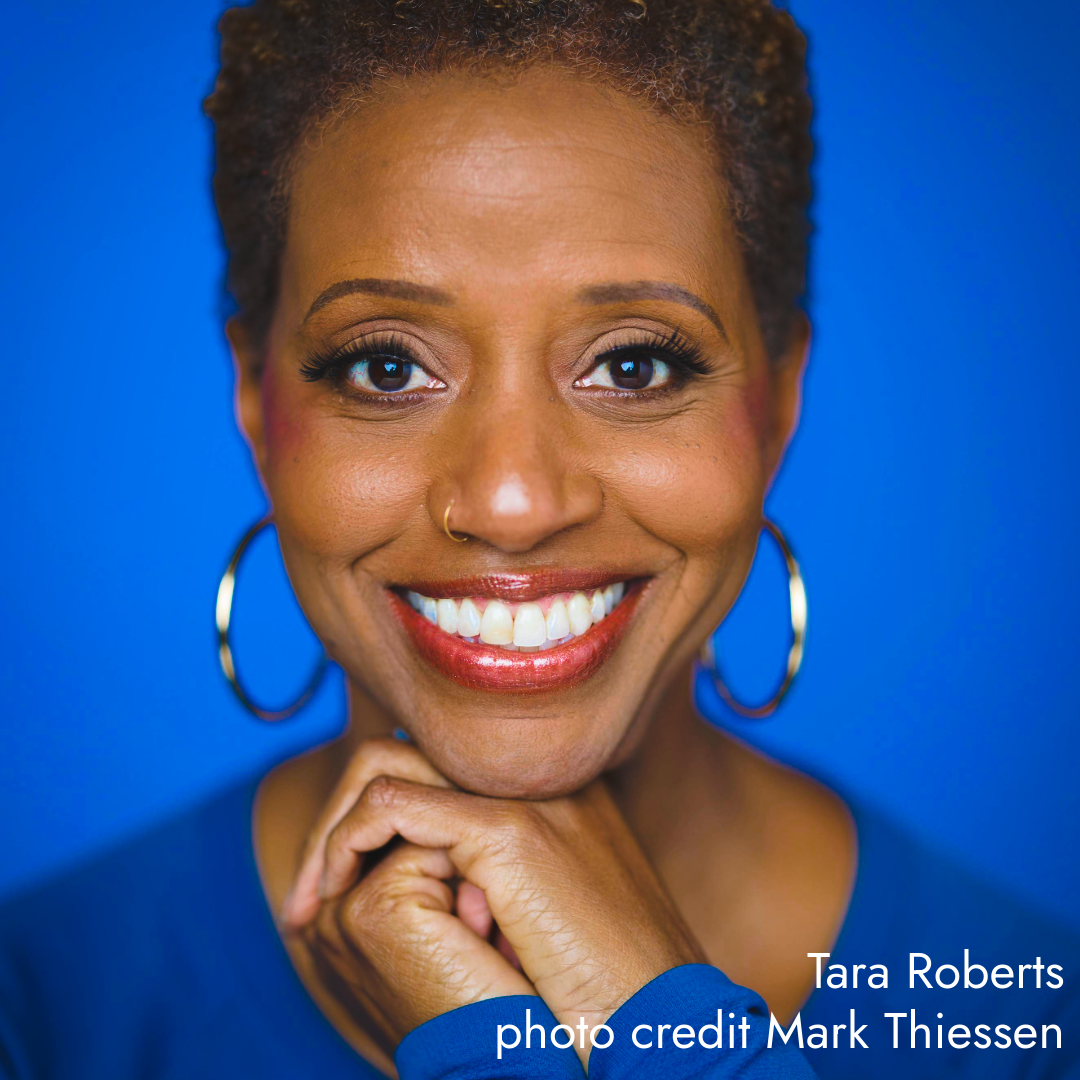 “[It’s] often not what you get around stories that involve African Americans. Most of us cannot trace our histories all the way back to a slave ship or to a particular country in Africa because the records of the enslaved were not recorded in detail. So it’s incredible and very powerful that these descendants know the actual stories of their ancestors that came from Africa.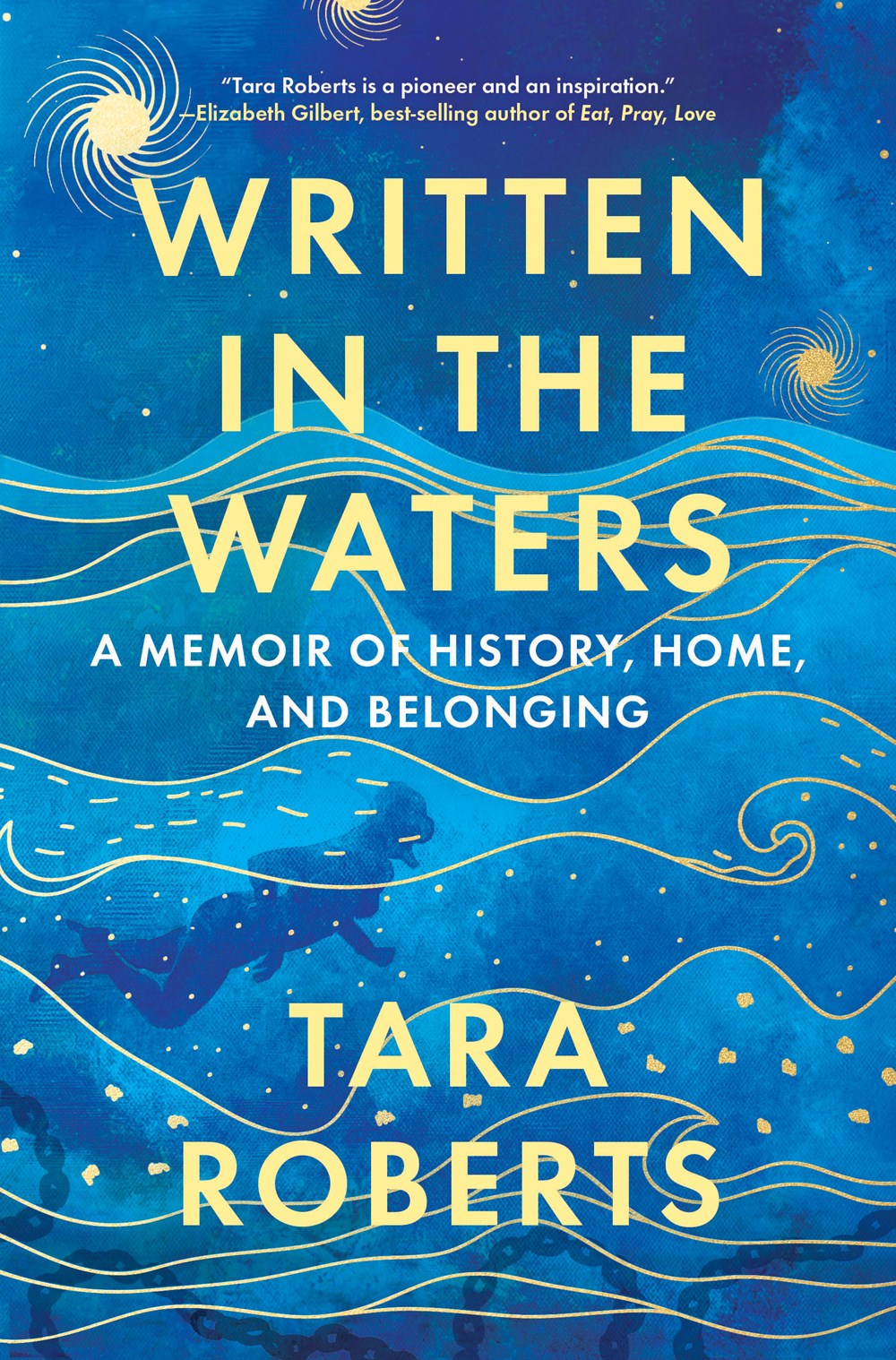


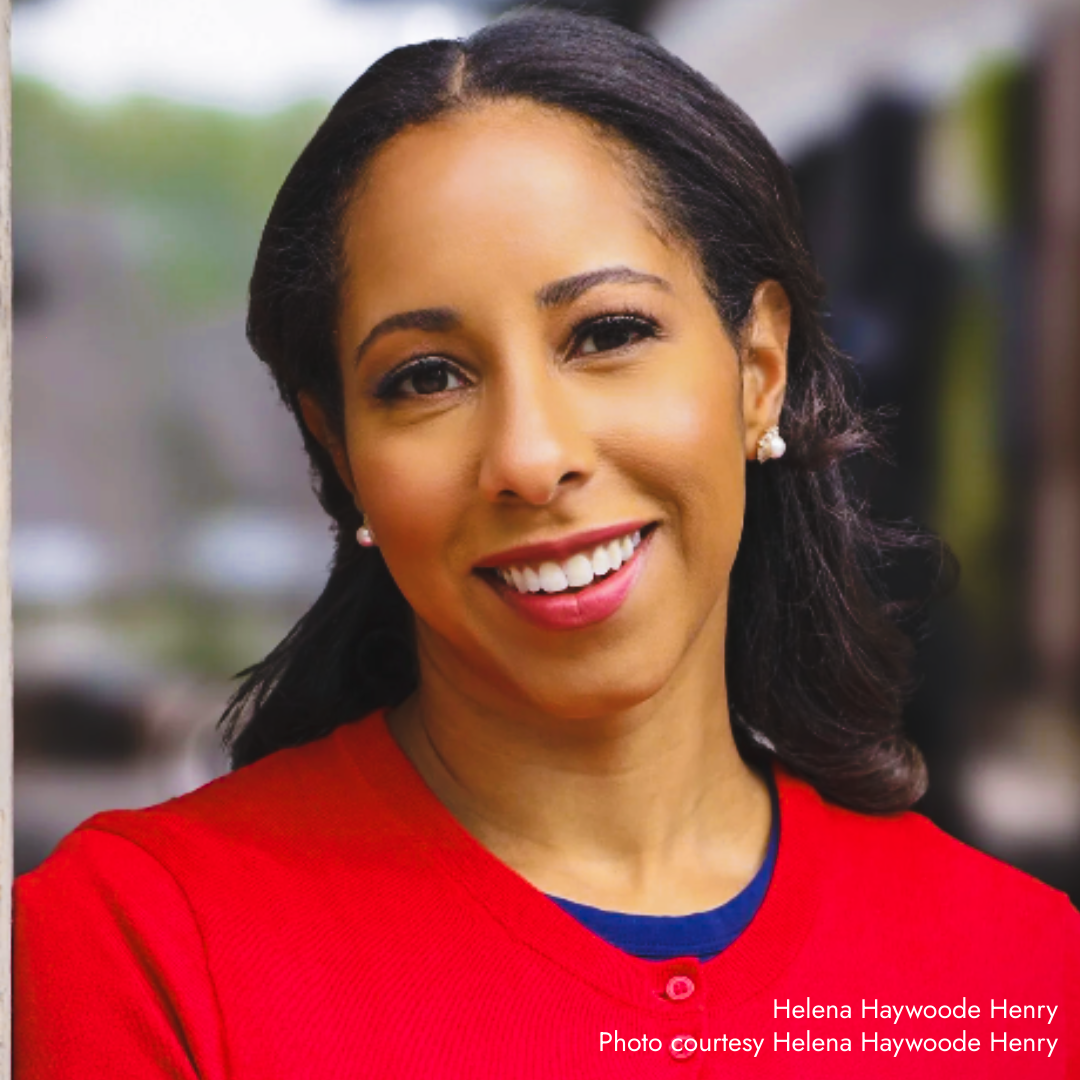 Last Chance LIVE’s premise was inspired by real-world death penalty reform efforts to raise the minimum age for capital punishment. Last Chance LIVE’s protagonist, Eternity Price, was inspired by a little girl I met during my undergraduate years at the University of Pennsylvania. While at Penn, I volunteered in Head Start classrooms in a West Philadelphia public school, and met a fouryear-old girl whose vivacious spirit deeply impacted me. I spent years contemplating how she was growing up in an impoverished neighborhood right next to an Ivy League university, but she would likely be unable to access most of its privileges and resources—and the trajectory of her life would likely be very different than the lives of most Penn students. To my knowledge, that little girl has not experienced or done anything like what Eternity has, but she and Eternity both grew up in the shadow of power and privilege. My hope for this young girl, and all children, is that they have what Eternity never did—confidence in who they are and what they are worth, and a community that reinforces this truth. I hope seeing America’s reflection in Last Chance LIVE! helps us ascribe more value to these children, and less value to “great television.”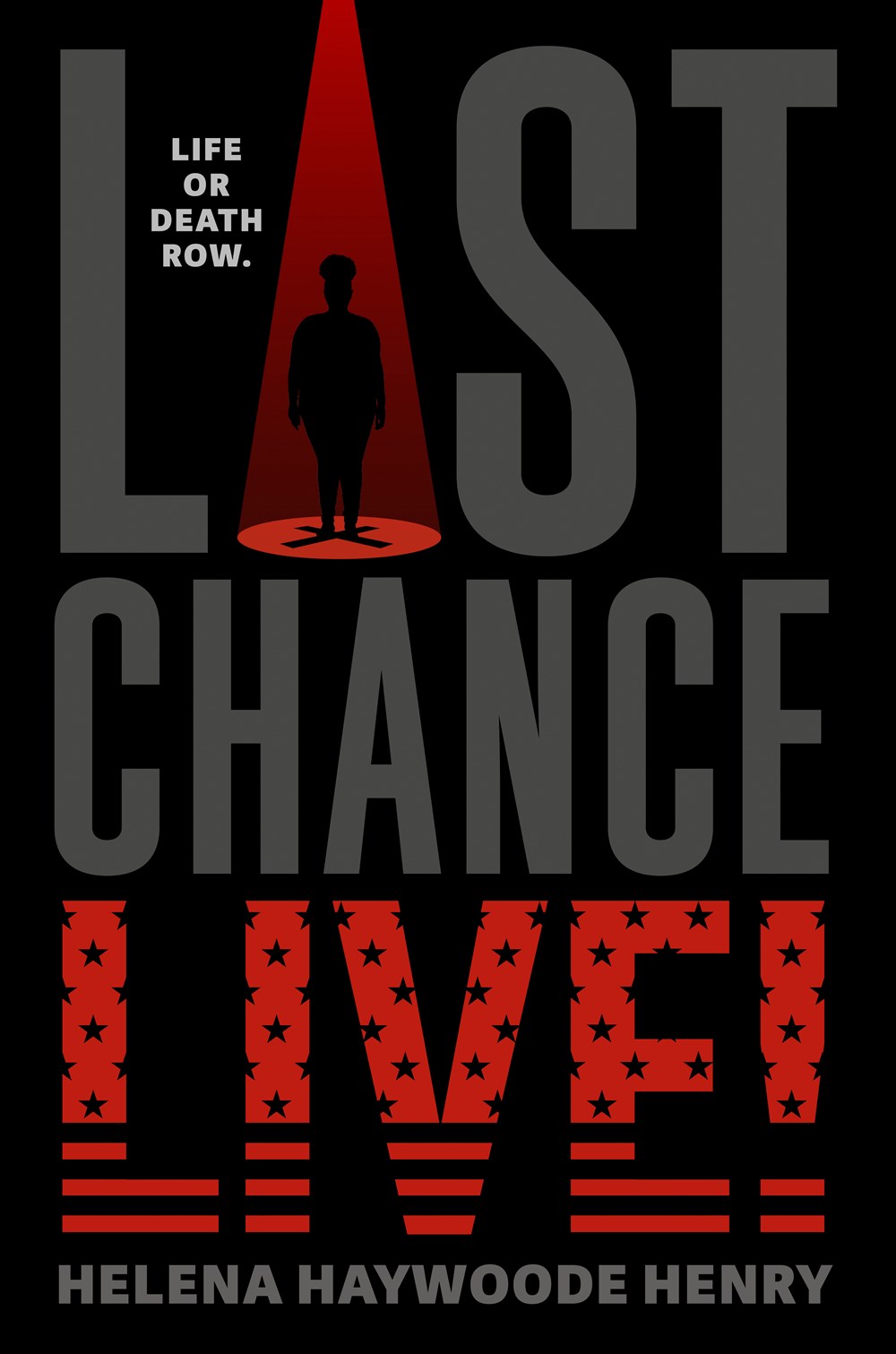


 Those three years of sixth, seventh, and eighth grade are a time of learning who you are as a person. They’re still kids. They play kickball, pull pranks on each other. But they’re also having their first serious relationships, starting to drink or experiment with drugs, questioning their place in the larger world….I want to teach empathy. I want people to understand the viewpoints of others, and that we are better together than apart. I wouldn’t have been able to tell you that 10 years ago. It took me writing a few books—and coming to that theme every time, naturally, as a writer—to understand.
