

Book Buzz: A Marriage at Sea by Sophie Elmhirst

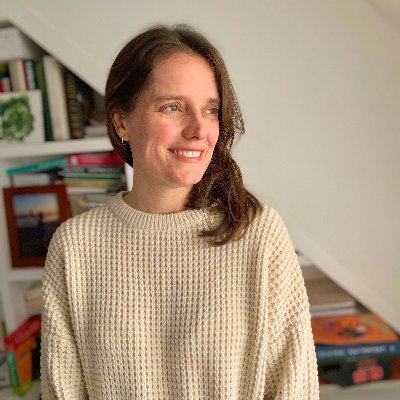 They were such extraordinarily different people in the way they related to the world and other people. He was this awkward and lonely man before he met her, living quite a dislocated life, and she was this livewire and such a compelling, energetic, positive presence. [There’s] something about how a marriage like that works, then putting that marriage in this extreme scenario, to the ultimate test.
There was something I found to be universal about that. The best stories are ones that are highly specific and, in this case, very extreme, but that have some universal resonance. We all know what it is to hit crunch points or to have [to] face crises with a partner, or with a friend, or a significant other, and what that does to a relationship, what that does to you as an individual, what it reveals to you about yourself, but also about that other person.
― Sophie Elmhirst, Interview, Indies Introduce, American Booksellers Association

What booksellers are saying about Marriage at Sea
- I love a good marriage story and this one is fascinating. Maurice and Maralyn set out to sail the world, with very little in the way of radio equipment. They get quite far before their boat sinks and they are stranded with a life raft and a dinghy. The book does a wonderful job of conveying their quirks and relationship before and after the sinking. Their survival is absolutely fascinating.
― Christina Tabereaux, The Snail on the Wall in Huntsville, Alabama | BUY
- An engaging and really fun to read story of total misery! If I am ever shipwrecked, I really hope I have a Maralyn in my boat. Readers who enjoy non-fiction that reads like fiction will love this one.
― Elizabeth Goodrich, Thank You Books in Birmingham, Alabama | BUY
- What a remarkable tale of marine survival. The journalist/author skillfully recounts the real-life tale of Maurice and Maralyn Bailey. Their love, strength, and cooperation overcome the disparity and dangers they face. They abandon everything to take off in their yacht from the UK to New Zealand. One year into their journey, their boat was struck by a sperm whale, which caused it to sink. They are stranded on a raft in the middle of the Pacific Ocean for 118 days with very little provisions before finally being rescued 900 miles from where their boat sank. Maralyn’s perseverance, tenacity, and optimism were the main reasons they managed to survive. I can’t stop thinking about all they endured and how I may have handled it. Great read!
― Sandra Pinkney, Underground Books in Carrollton, Georgia | BUY
About Sophie Elmhirst
Sophie Elmhirst is an award-winning journalist who writes regularly for The Guardian Long Read and The Economist; her work has also appeared in The New York Times Magazine, The New Yorker, and Harper’s Bazaar, among other places. She’s the winner of the British Press Award for Feature Writer of the Year and a Foreign Press Award. She lives in London and A Marriage at Sea is her first book.

Book Buzz: A Marriage at Sea by Sophie Elmhirst Read More »

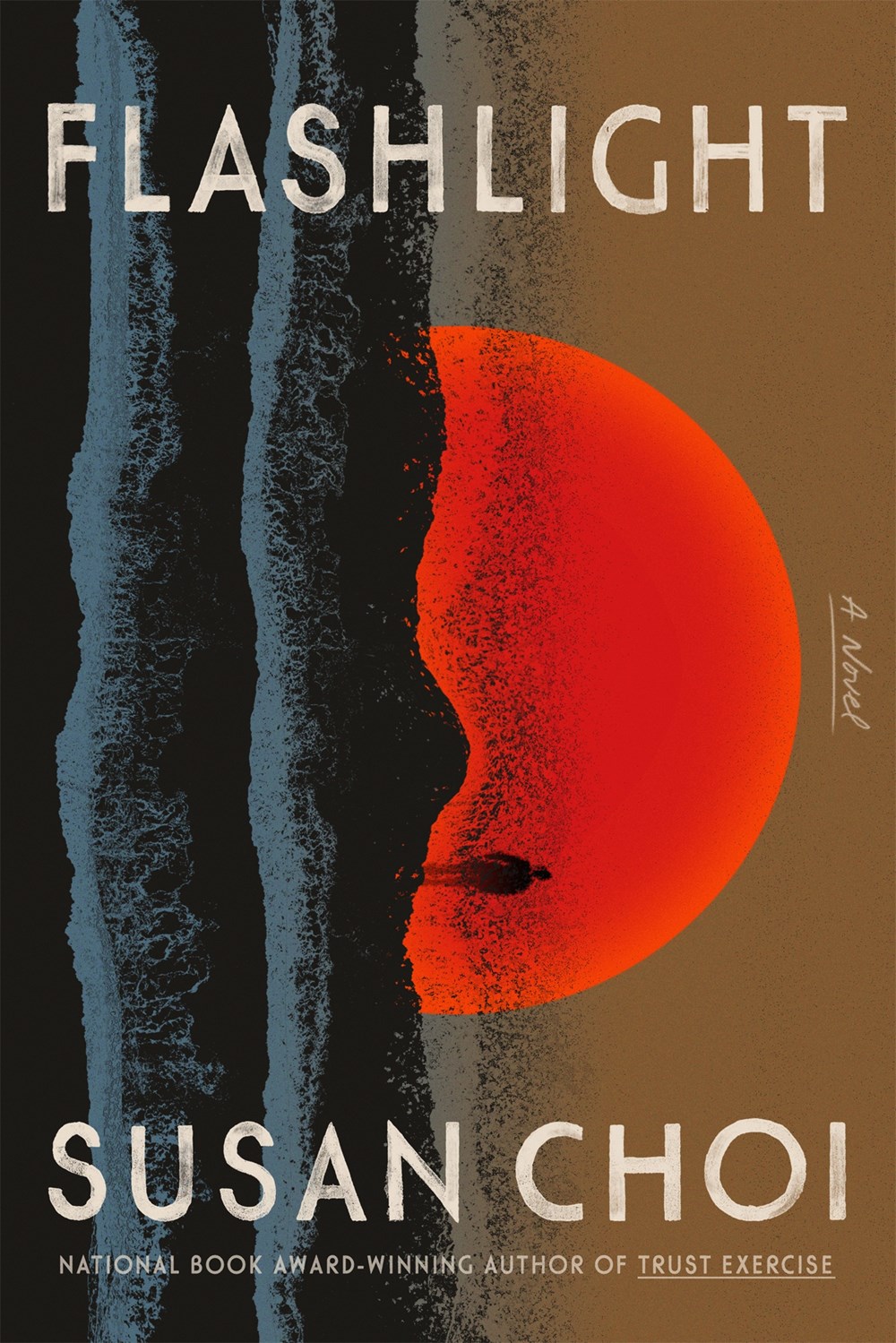
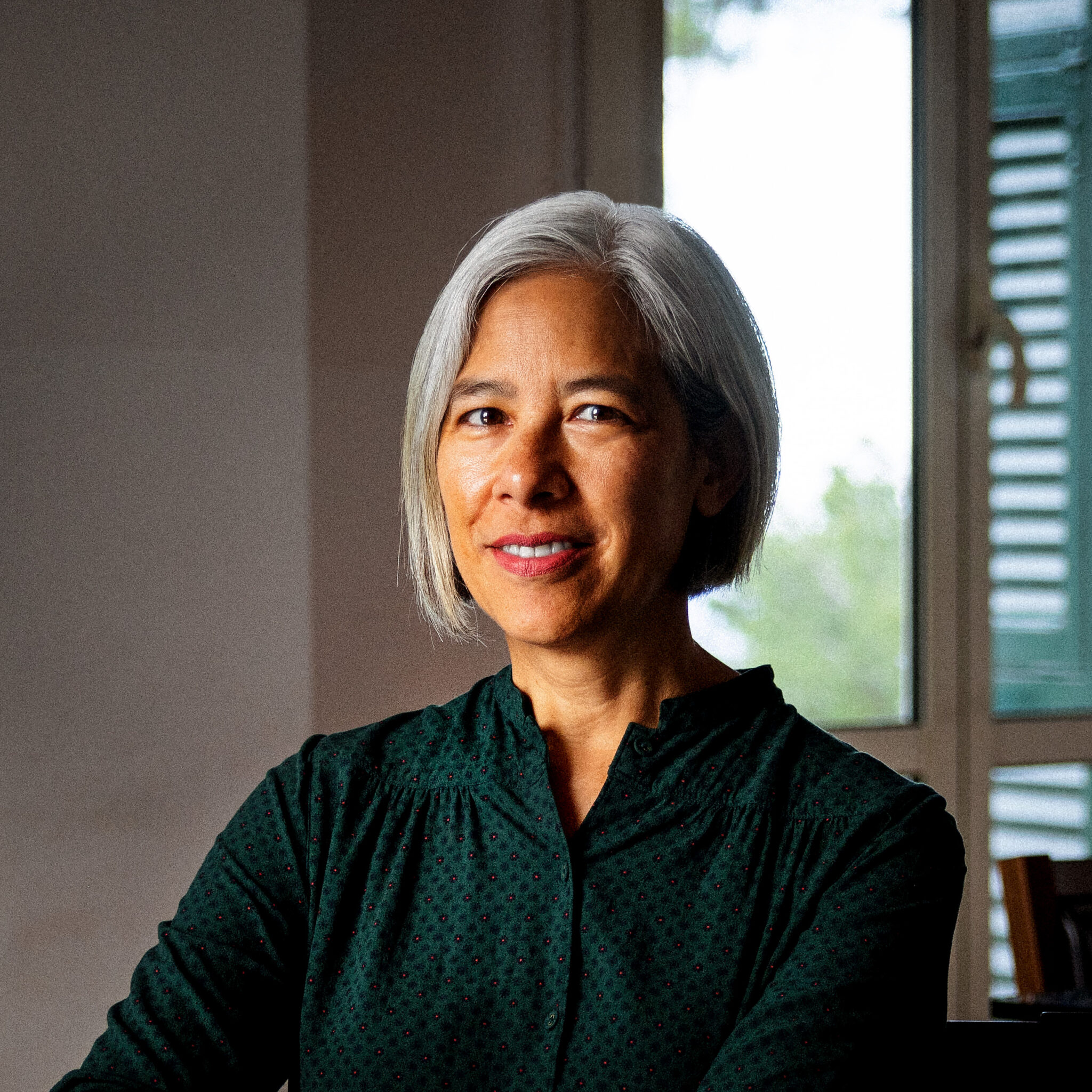 The premise, of a family in Japan, draws on my experience directly, because I spent time in Japan with my family when I was a child. But what prompted the novel are less specific memories themselves than the hazy, fragmentary quality of my memories from that time, the extent to which they’re partial and distorted. My memories from that time feel like dreams, and their atmosphere is sometimes quite ominous. Eventually a storyline that departs pretty dramatically from any event of my life came along to suit that weird, ominous tone.


 If you talk about witches nowadays and you ask somebody to picture a witch, they’d probably say a pointy hat, a broom, a black cat. They are no longer considered malevolent.


 I don’t know it there’s an inspiration per se other than “I like dragons, and I like lady knights, I want to write a book about those things.” And so I did. “Brighter Than Scale” tells the story of Yeva, a dragon hunter with special abilities who was absorbed into empire against her will as a child and, as an adult, is sent as an ambassador to a nation that worships dragons as part of her emperor’s territorial aggressions. There she meets the girl-king Sookhee, the charismatic leader of the nation. But their growing relationship is threatened when Yeva uncovers secrets that will challenge the way she sees the world, and herself. The book may appear to be a queer love story, and it is indeed a queer love story, but at its core I think it’s about identity, it’s about finding your place and finding yourself in a world which constantly wants to erase you.


 Rhys is a former environmental reporter for a local newspaper. I was a newspaper reporter for about seven years, and still think of myself in many ways, almost as a spot-news novelist. So, I’m still drawn to write stories as they’re happening.


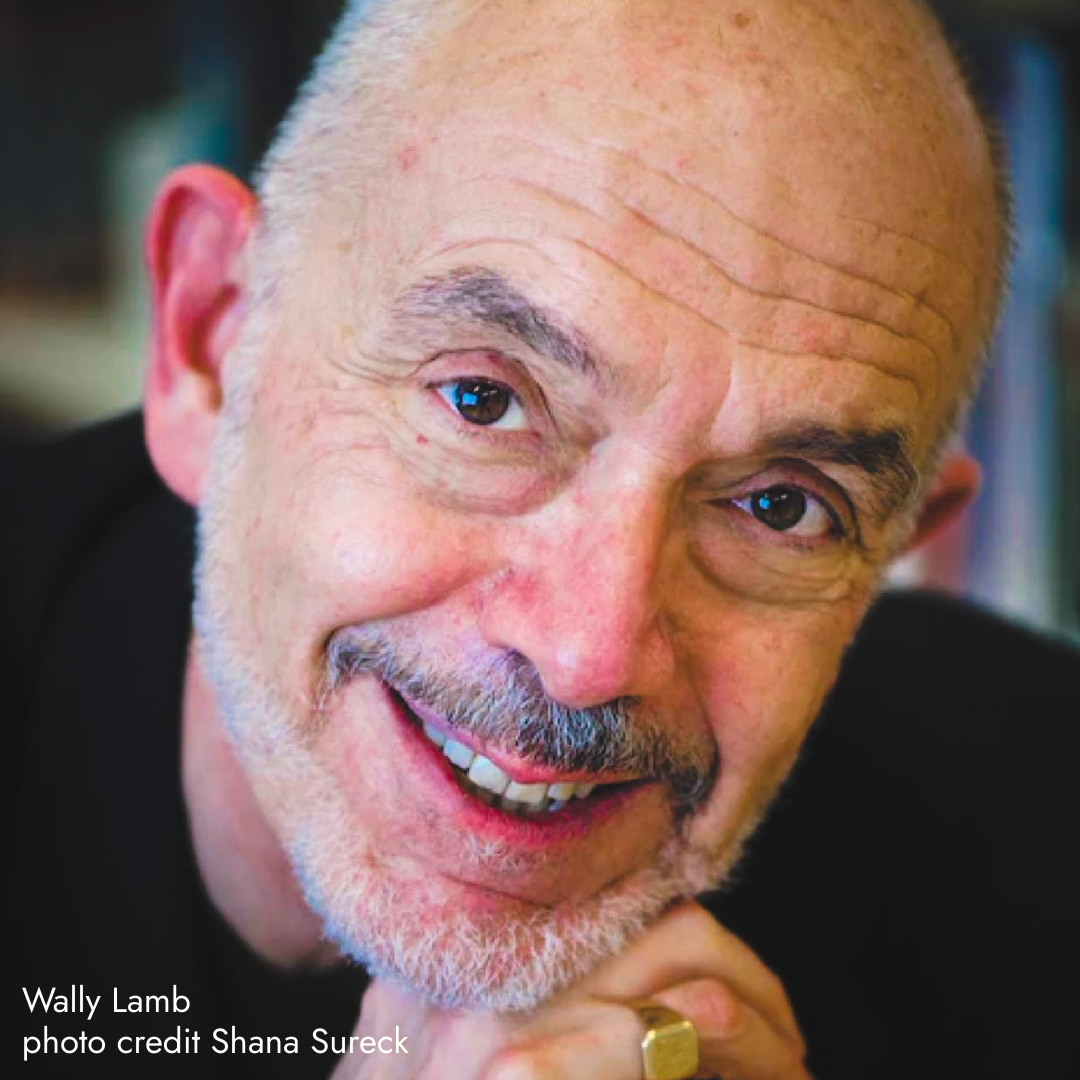 There’s a part in the novel when [the protagonist] Corby says he thinks that women are just stronger than men because it’s women who come and visit the prisoners. Whether they are grandmothers who are taking care of the kids and wearing their convalescent home pinafores, girlfriends, or so forth—it’s women who show up. That was my experience when I would go to visit our son. Often, I’d be one of the few men who went into the visiting room; usually, it was another father. And sometimes I would be the only guy in the visiting room. I don’t think it’s because men are necessarily cold. They don’t necessarily detach from loved ones who are male. I think so many of men’s problems come down to fear. It’s not that women don’t live with fear, but that they can more easily voice that fear.


 I wanted to write a controlled, intense, strange, sensual, truthful novel set firmly in a genre I’m increasingly thinking of as wonder. You can watch a romcom where someone is covered with bees and they’re terrified, and you’re laughing, so their experience is not the same as your experience. Likewise, you can be watching a horror film, and they think they’re having a normal Monday, and you know better. That’s where the horror happens.


 I like my stories to be immersive. I am a visual person when writing and reading. So to me, it’s all part of the characterization: the way that they wear clothes, what the clothes look like, what they look like. I also want it to be a lived-in world. So let’s talk about getting dirty. Let’s talk about taking baths. Let’s think about chapped lips. When I watch particularly fantasy content, I almost look for these things because it is a layer of grittiness that I like, a texture in a story, that I feel is real. The Knight and the Moth was really fun, like gossamer versus armor. You can look into themes of these things too and apply them to the story, or you can decide to read them very literally.


 I guess a lot of the fantasy I read as a kid was very much in the shadow of Tolkien, and in Lord of the Rings there is an objective right and wrong. You either give in to Sauron or you fight him, and the text leaves no doubt which is good and which evil. Not that I ever lost interest in Gandalf and Aragorn but as the years went on I started to find Saruman and Boromir more interesting. People who fall from grace, or rise to it. Characters in flux, in turmoil, weighing greater good against personal good, with mixed motives, with uncertain outcomes. People who surprise the reader. In our world, everyone thinks they’re in the right. Battles aren’t of good against evil, but one man’s good against another’s.


 I could spend years in a cookbook shop and never get bored. Where do I begin? I love the weirdness of cookbooks; how they capture the larger culture of a specific time-period and tell the tale through the prism of food. Take, for example, one of my cookbook treasures: The Lifestyles of the Rich and Famous Cookbook by Robin Leach. It’s a time capsule of the eighties — glass block, Dynasty-style hairdos, Brooke Shields — and the food is as awful as the fashion. Or another favorite: A Treasury of Great Recipes by Vincent and Mary Price, a collection of all the menus that the famous horror maestro and his wife collected over their world travels in the ‘40s and ‘50s and the meals that they hosted for their friends in their exquisite Hollywood home. If I could jump into the pages of a cookbook, it might be that one.


 Food has always been an obsession of mine, but I had never written it really into my fiction, aside from, occasionally describing what somebody was eating, describing a flavor somebody remembered. But this was the first time where, I think years of reading cookbooks, of watching cooking shows, of watching my parents cook, of cooking myself, and experiencing different flavors and different cuisines, and being really tuned into that…I think this was when all of that sort of manifested. This was my first try at writing something that felt like eating. And there were even moments where I would try to eat the foods that I was describing to get the mouth feel right…I completely invented recipes for for several of the dishes in Aftertaste that wind up being these sort of spiritual connections that can bring a spirit back. And in some cases, I would attempt to make the flavors, but in most cases, I just knew in my head what it would taste like from from just experiencing cooking and experiencing flavors. I would use that sort of intuition, also paired with what that character needed at the time. So I think one of the things in Aftertaste that happens is that the food is never just the food. The food is really evocative of a particular flavor of memory. So is it they’re sweet? Is it? Is it something that really disturbs the spirit that’s trying to come back? Is it something warm? Is it something that they’re excited to taste again? Is it a recollection that buoys them, or is it something that crushes them?


 A Gardin Wedding allows readers to take an emotional journey with Martha—one where she drops her tough exterior and heals the hurt inside. While this heartwarming family and friendship drama with romantic elements is the second book in my Gardins of Edin series, it can also stand alone. I welcome readers who are familiar with the Gardin family because they enjoyed The Gardins of Edin as well as those who haven’t read it yet.


 I have had relationships with humans, but I’ve also loved a lot of people in stories. I’ve been told by my doctor not to talk about this too much, but ever since I was a child, I’ve had 30 or 40 imaginary friends who live on a different star or planet with whom I have shared love and sexual experiences. ……Some say that the worlds I write about are dystopian, but a lot of people think that actually reality is worse… I’ve often felt love, obsession, desire, friendship, a kind of faith, or almost a prayer-like relationship with these men – and they’ve always been men, so it’s a heterosexual relationship – who live inside stories. With Vanishing World I was trying to create a place where it might be easier for people who find it difficult to live in this world.


 In every place I’ve lived bookstores have been the first places to feel like home—especially Parnassus Books in Nashville, where I led weekly storytime sing-alongs for years, and Green Bean Books in Portland, Ore., where I spent countless hours soaking in the magic of a truly community-centered shop. Bookstores are havens for readers, writers, and dreamers who crave“discovery, community, and belonging. Dear Bookstore is my love letter to them.


 It’s easy to root for people who make the same choices you do. I think the metaphor I use in the book is it’s harder to be the person standing on the shore when you thought you were going to be the person on the boat or on the plane. I thought I was going to be the leaver, and instead I had to be the one who threw the goodbye parties. And I’m grateful for that. It taught me some really important lessons about being happy for people, even when the choices they make are different from your own. And you really have to be content in your contentedness in order to root for and support the people who leave. And I do think it’s important that you do that, because the conclusion I have reached in my almost 40 years is we all will do both. We are not all going to stay all the time and we’re not all going to leave all the time. It’s both. And so, I currently sit in a seat of staying, but I also have left beloved institutions. I have left relationships. And so, that’s the other side is, I hope I’m learning lessons from my friends who have left. They have something to teach me too.
