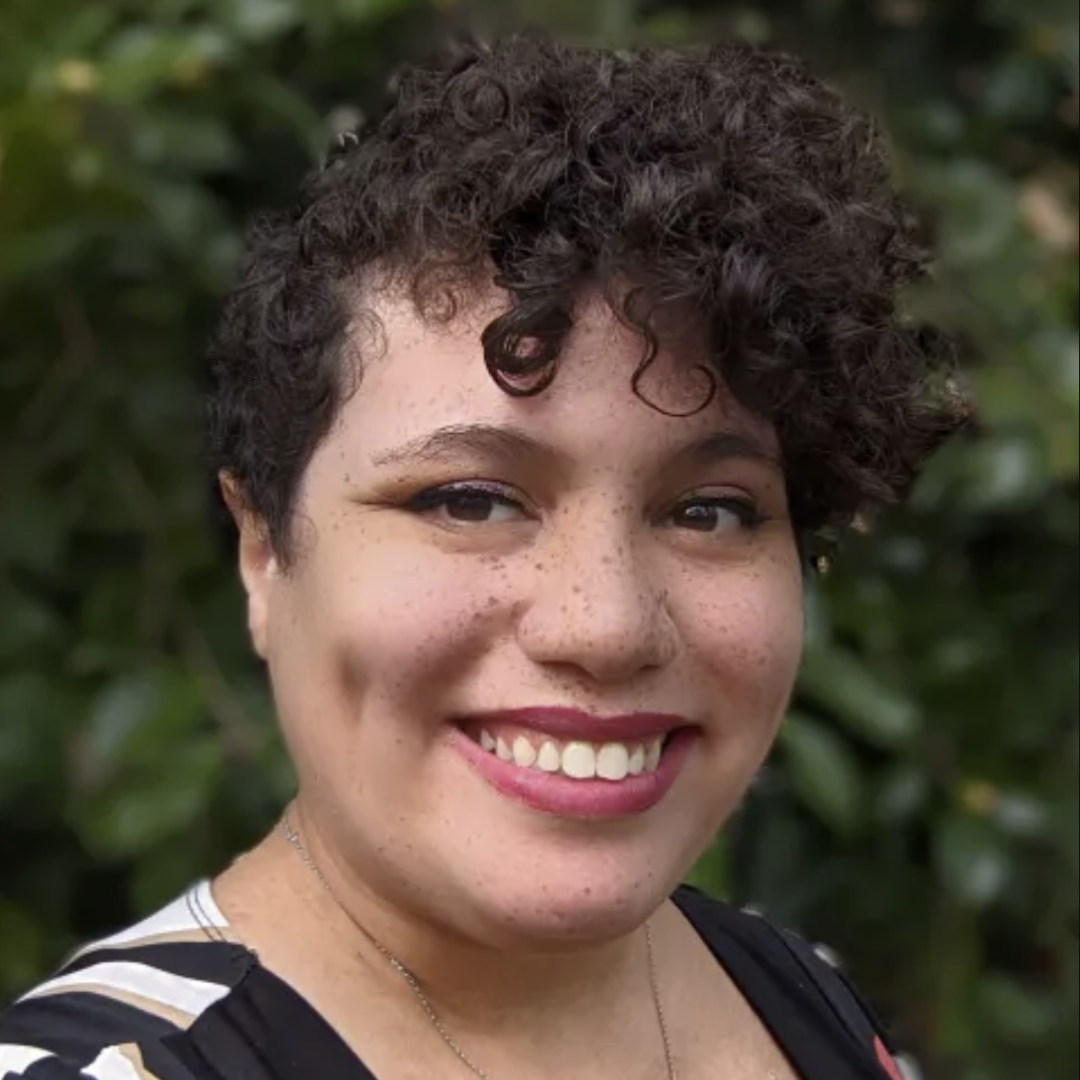
Book Buzz: Dear Bookstore by Emily Arrow

 In every place I’ve lived bookstores have been the first places to feel like home—especially Parnassus Books in Nashville, where I led weekly storytime sing-alongs for years, and Green Bean Books in Portland, Ore., where I spent countless hours soaking in the magic of a truly community-centered shop. Bookstores are havens for readers, writers, and dreamers who crave“discovery, community, and belonging. Dear Bookstore is my love letter to them.
― Emily Arrow, Interview, Publishers Weekly

What booksellers are saying about Dear Bookstore
- A love song to independent bookstores everywhere, but also inspired by the beloved brick and mortar indie bookstore, Parnassus Books, in Nashville, Tennessee. Arrow reminds readers and listeners of all ages of the mutual benefits of supporting local.
― Holly Kitchings, Court Street Books in Florence, Alabama | BUY
- Be still my beating heart! A love letter to bookstores and the people who inhabit them, I get teary eyed thinking about this story. Gentle and tender words paired with illustrations so soft they glow, obsessed is an understatement!
― Grace Sullivan, Fountain Bookstore in Richmond, Virginia | BUY
- Well, good lord. If my indie bookstore ever needed a marketing brouchure, I’d just buy these in bulk. Easiest pre-order I’ve ever made for my shop – oh, and I nearly cried towards the end when she runs to the store to make sure it is still there as so many use screens now…
― Alissa Redmond, South Main Book Company in Salisbury, North Carolina | BUY
- An incredibly sweet picture book that illustrates so well, in images and words, the vital role bookstores play in our lives.
― Beth Bissmeyer, Carmichael’s Bookstore in Louisville, Kentucky | BUY
About Emily Arrow
Emily Arrow (she/they) is an award-winning children’s songwriter, author, and educator known for crafting meaningful stories and songs. Her music albums include Sing Along with Emily Arrow and the Storytime Singalong series. Alongside her ukulele companion, Bow, Emily Arrow aims to inspire young minds, encouraging them to embrace and share their own unique voices. She enjoys going on walks with her dog and partner and finding cozy corners in independent bookshops for reading. Emily Arrow resides in Los Angeles.
Geneviève Godbout is the illustrator of many picture books, including The Pink Umbrella by Amélie Callot, Wherever You’ll Be by Ariella Prince Guttman, and If I Couldn’t Be Anne by Kallie George. Her work has appeared in the Society of Illustrators Original Art Exhibit in New York and on Christmas and holiday stamps for the Canadian postal service. Geneviève Godbout lives in Montreal.

Book Buzz: Dear Bookstore by Emily Arrow Read More »

 It’s easy to root for people who make the same choices you do. I think the metaphor I use in the book is it’s harder to be the person standing on the shore when you thought you were going to be the person on the boat or on the plane. I thought I was going to be the leaver, and instead I had to be the one who threw the goodbye parties. And I’m grateful for that. It taught me some really important lessons about being happy for people, even when the choices they make are different from your own. And you really have to be content in your contentedness in order to root for and support the people who leave. And I do think it’s important that you do that, because the conclusion I have reached in my almost 40 years is we all will do both. We are not all going to stay all the time and we’re not all going to leave all the time. It’s both. And so, I currently sit in a seat of staying, but I also have left beloved institutions. I have left relationships. And so, that’s the other side is, I hope I’m learning lessons from my friends who have left. They have something to teach me too.


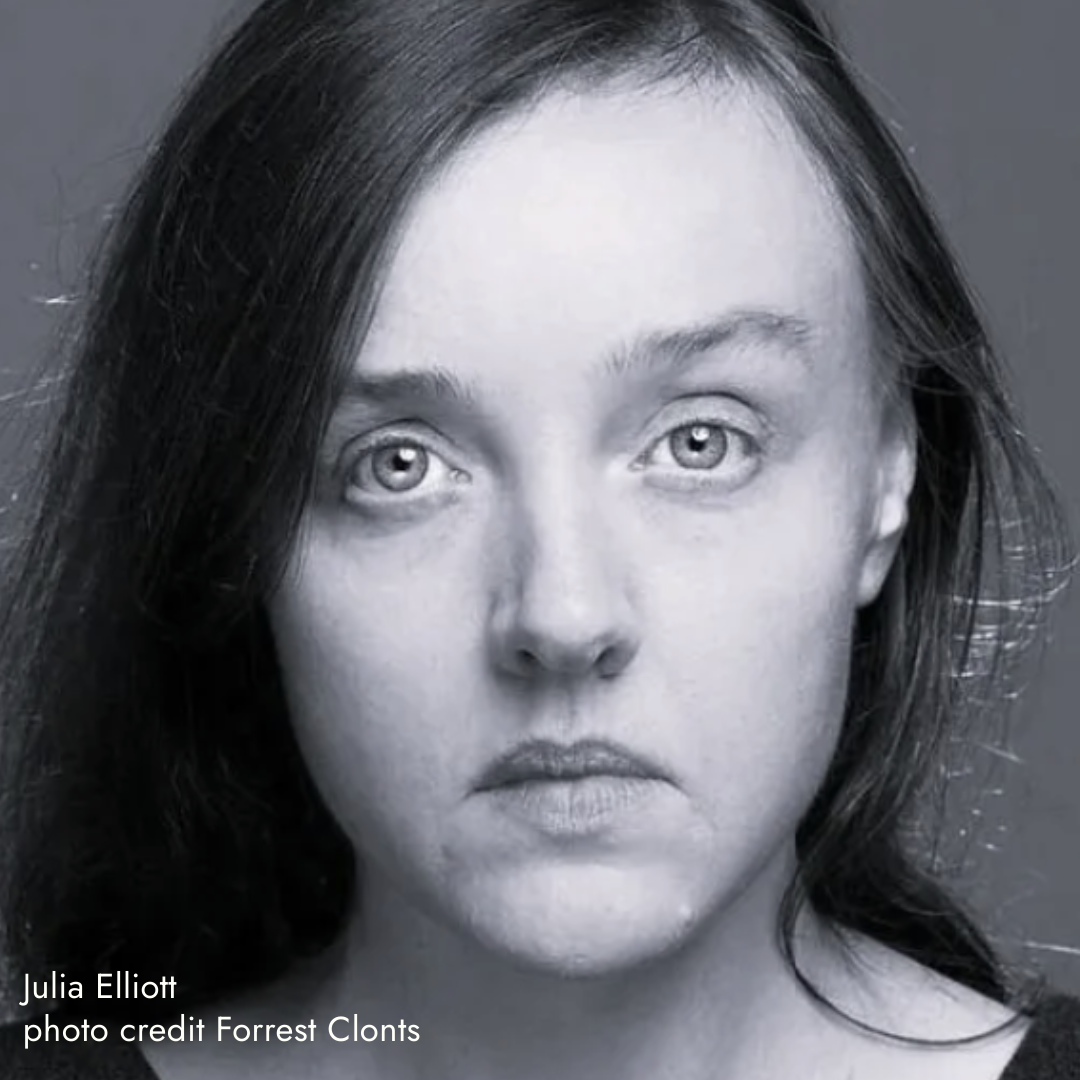 The father in the story “All the Other Demons” is an exaggerated version of my own dad, a weird, verbose man who loved to spellbind his children with strange tales and arcane lore, patchwork narratives drawn from whatever sources he needed to hold our imaginations captive. As I grew older and started performing my own version of the charismatic raconteur, my father said I suffered from a “hyperbolic condition,” a genetically inherited illness enhanced by a steady diet of tall tales. By the time I started writing poetry in high school, I was possessed with the power of language, and my main goal was to enchant readers with streams of words—never mind the subject matter.


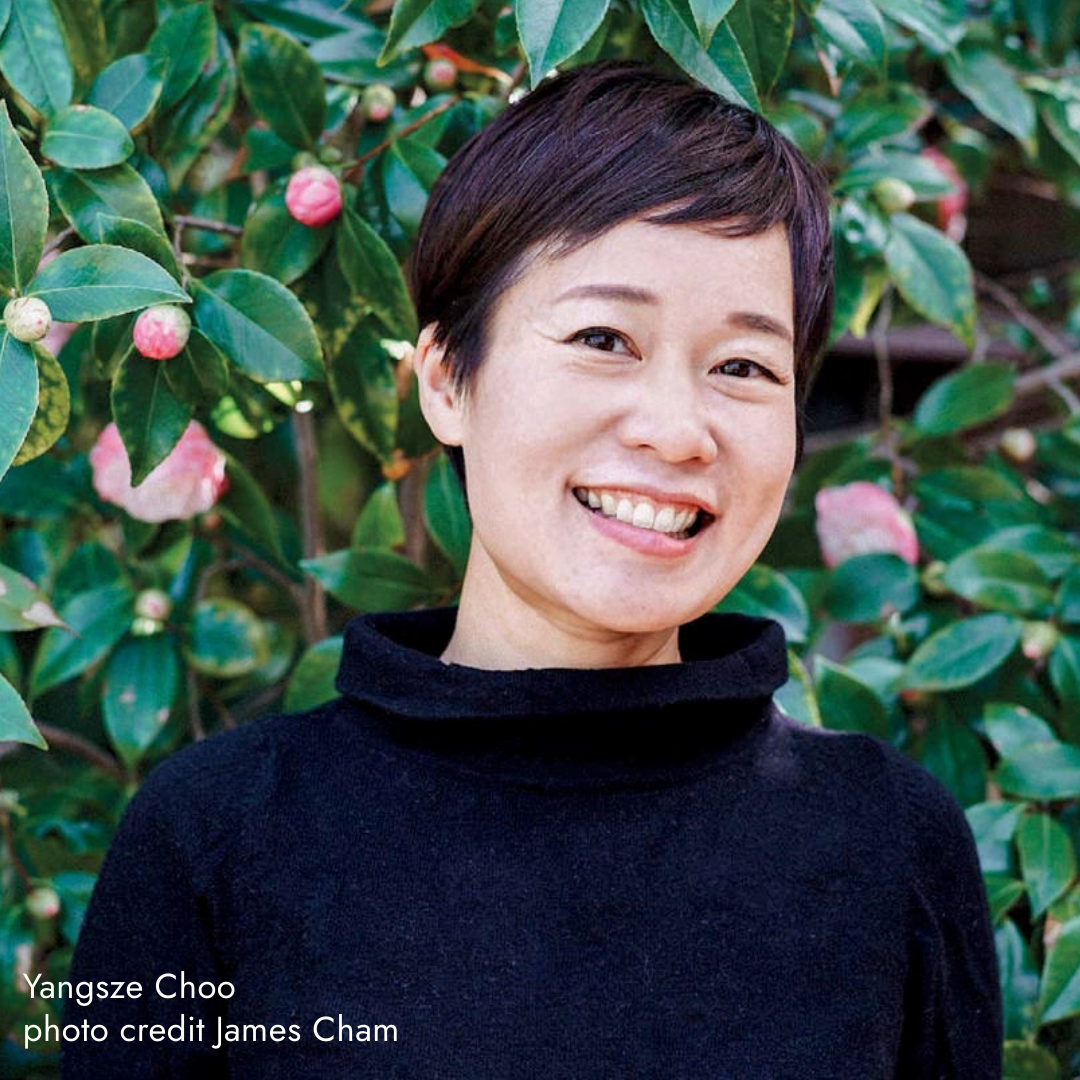 I’ve always thought that the legend of the fox is so fascinating. In Chinese literature and also Japanese and Korean legends, the fox is a shapeshifter, as you mentioned, who can turn itself into a very attractive person. And folklore is full of these stories – many of them odd figments of stories – of foxes who interact with people, often tricking them, sometimes killing them or making off with their property.


 I live in Portland — so very close to Seattle — and like you said, everyone in the Pacific Northwest lives under the shadow of something coming that you can never really prepare for. And as a climate journalist, I was really interested in that. I was interested in the ways that we can’t get prepared. And at the time that I started writing this book, I was also pregnant. Pregnancy and having a kid is another thing that everyone tells you to get prepared for, because of how scary and unknowable it is, but the reality is that it’s completely unknowable. You cannot imagine it until you have lived through it. I think that, thematically, is what brought me to the book. What gave me the idea for the book was definitely that I was terrified of the earthquake. I was pregnant, and I could not stop thinking about the earthquake.


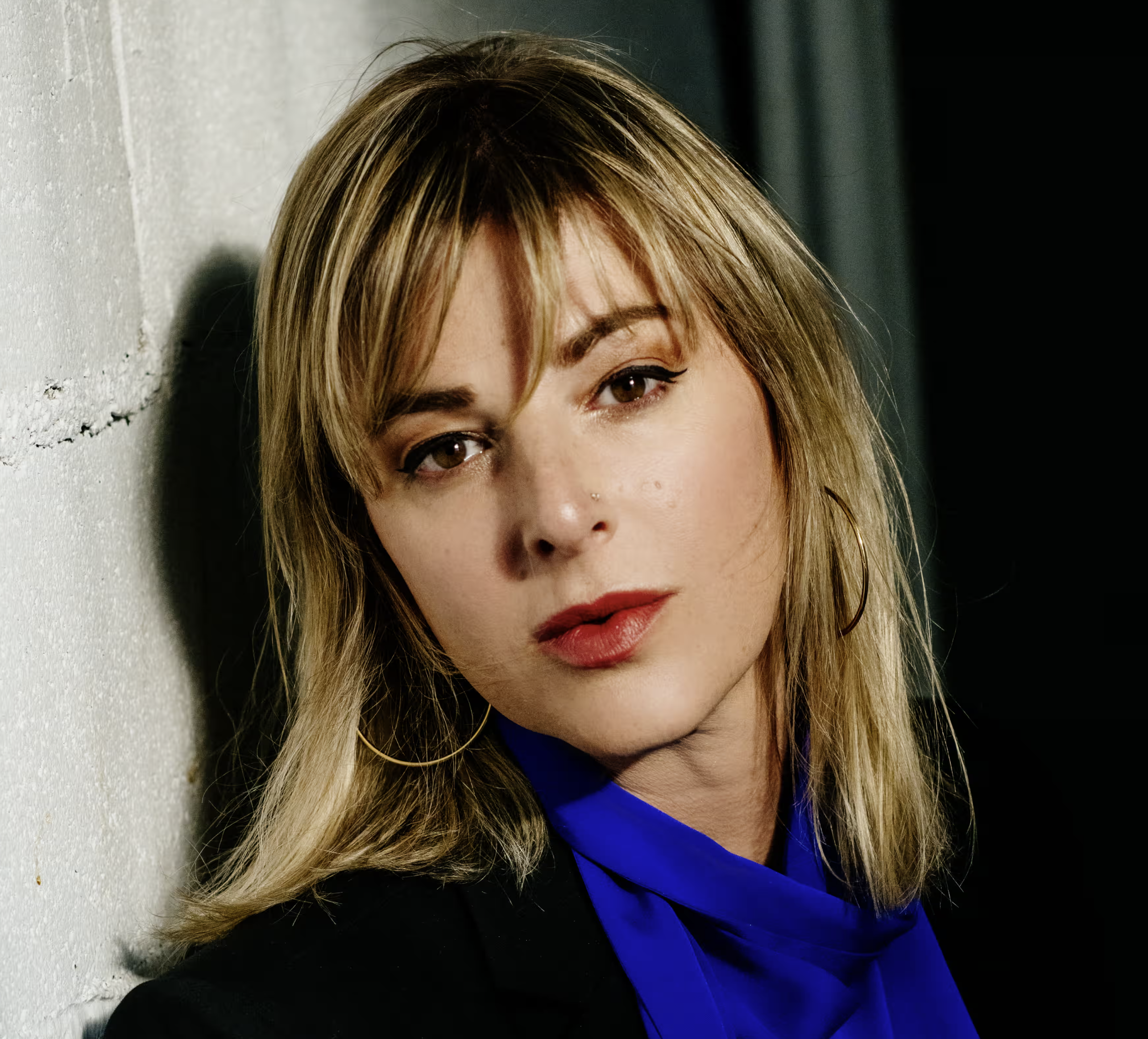 When I first conceived of these stories, around 2016, a lot of trans writing was very sure that it had to be a specific thing: In order to capture the trans experience, we have to invent a totally new narrative for this wild and different style of life that has strange punctuation and asterisks and parentheses in it! And I was very resistant to this because I was like, I actually think that trans lives are built out of the exact same things that any other life is built out of. The emotions that are operative for a trans person are the exact same emotions that are operative for anybody else. It may be arranged slightly differently or with slightly different balances, but 99 percent of them are all the same. And so, there was a way in which I was like, You know what? I’m going to just write trans stories to show that you don’t need to invent some othering form to explain a trans life. You can explain a trans life in a teen romance. Then, I just started finding them fun.


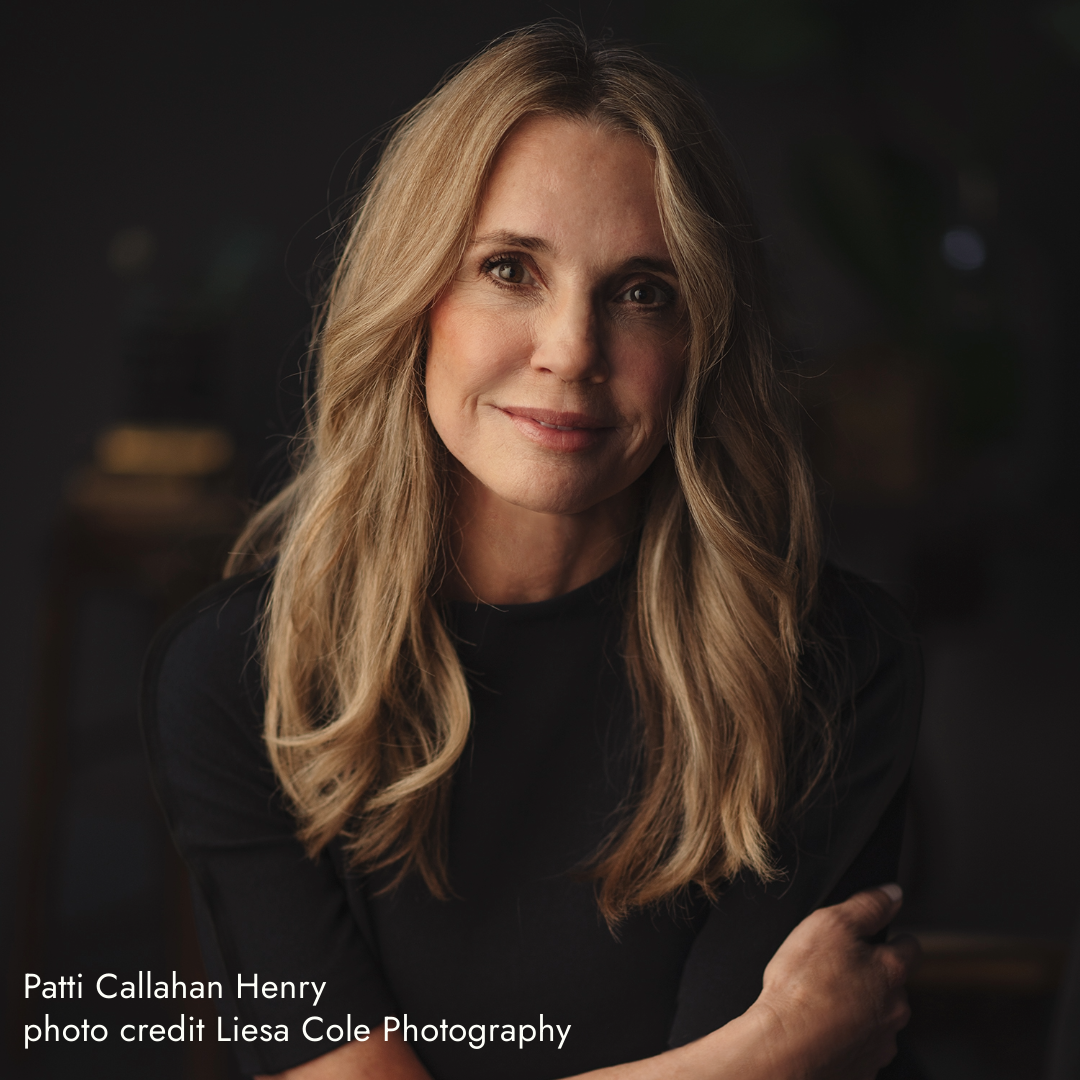 For me, stories begin with a curiosity, a question that won’t let me go. For The Story She Left Behind, that question was: What happened to Barbara Newhall Follett and her language? I was captivated by the real-life mystery of this child prodigy who published a fantasy novel at twelve years old, invented a language, and then vanished without a trace at twenty-five. I knew I would fictionalize her so I started imagining a daughter left behind by a mother’s disappearance (the real Barbara never had a child), and a book that daughter could not decipher as it was written in her mother’s made-up language. The more I thought about it, the more I knew—this wasn’t just a story about a missing woman, it was a story about how we find ourselves in the things left behind.


 The farm is
  What booksellers are saying about Akeem Keeps Bees