The Southern Bookseller Review 9/9/25
|
|
|
|

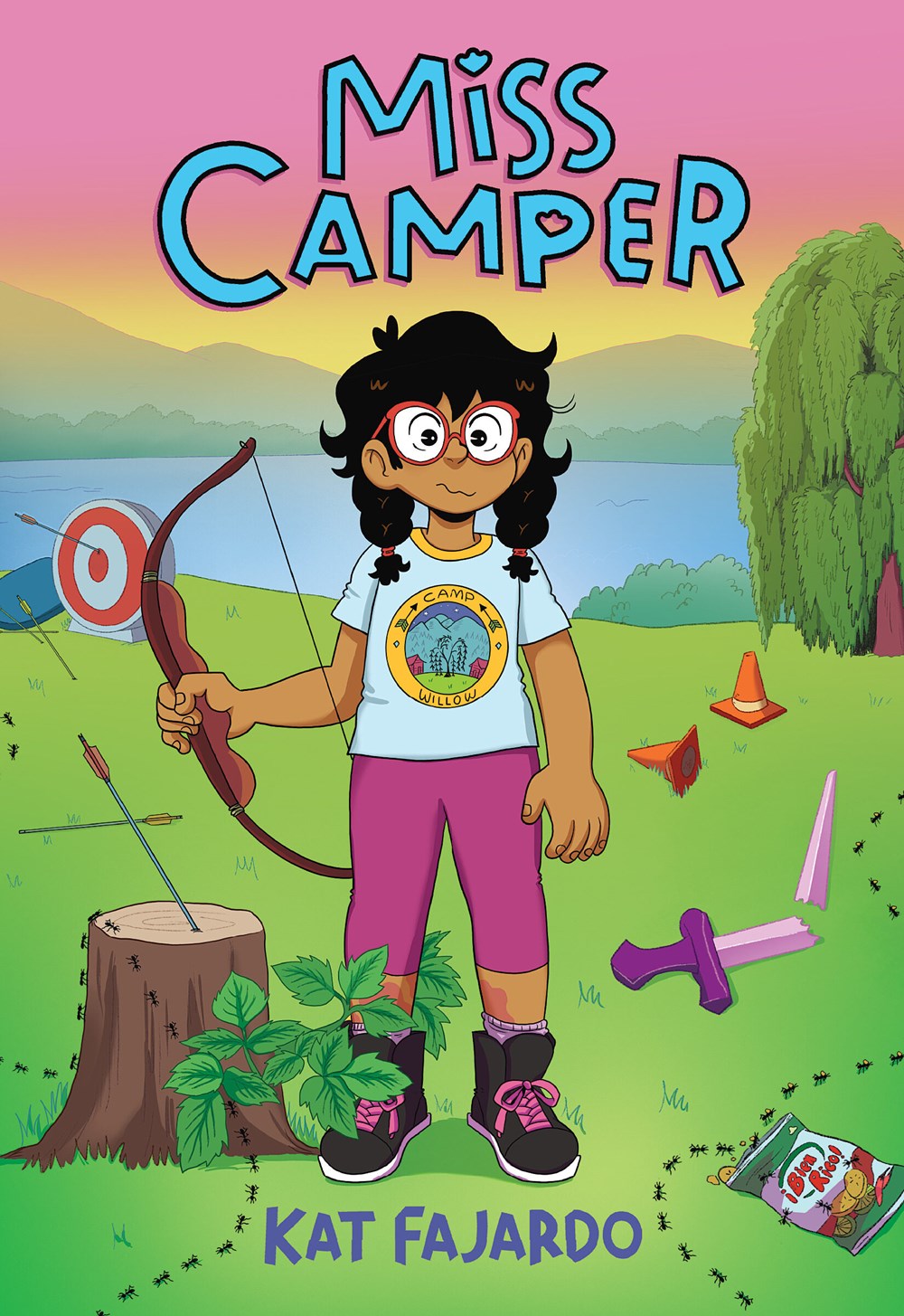
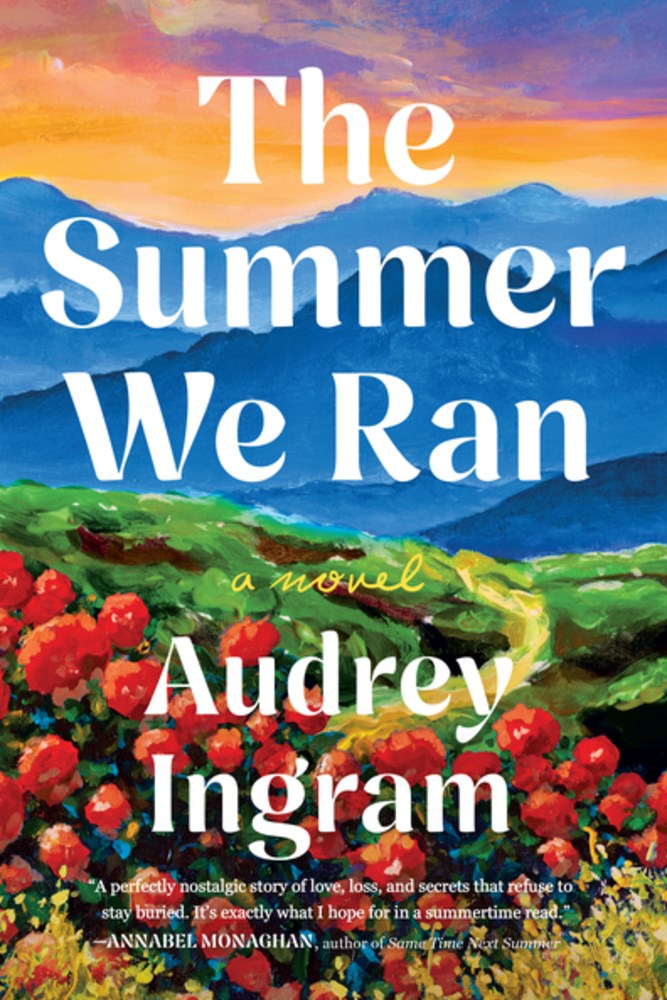
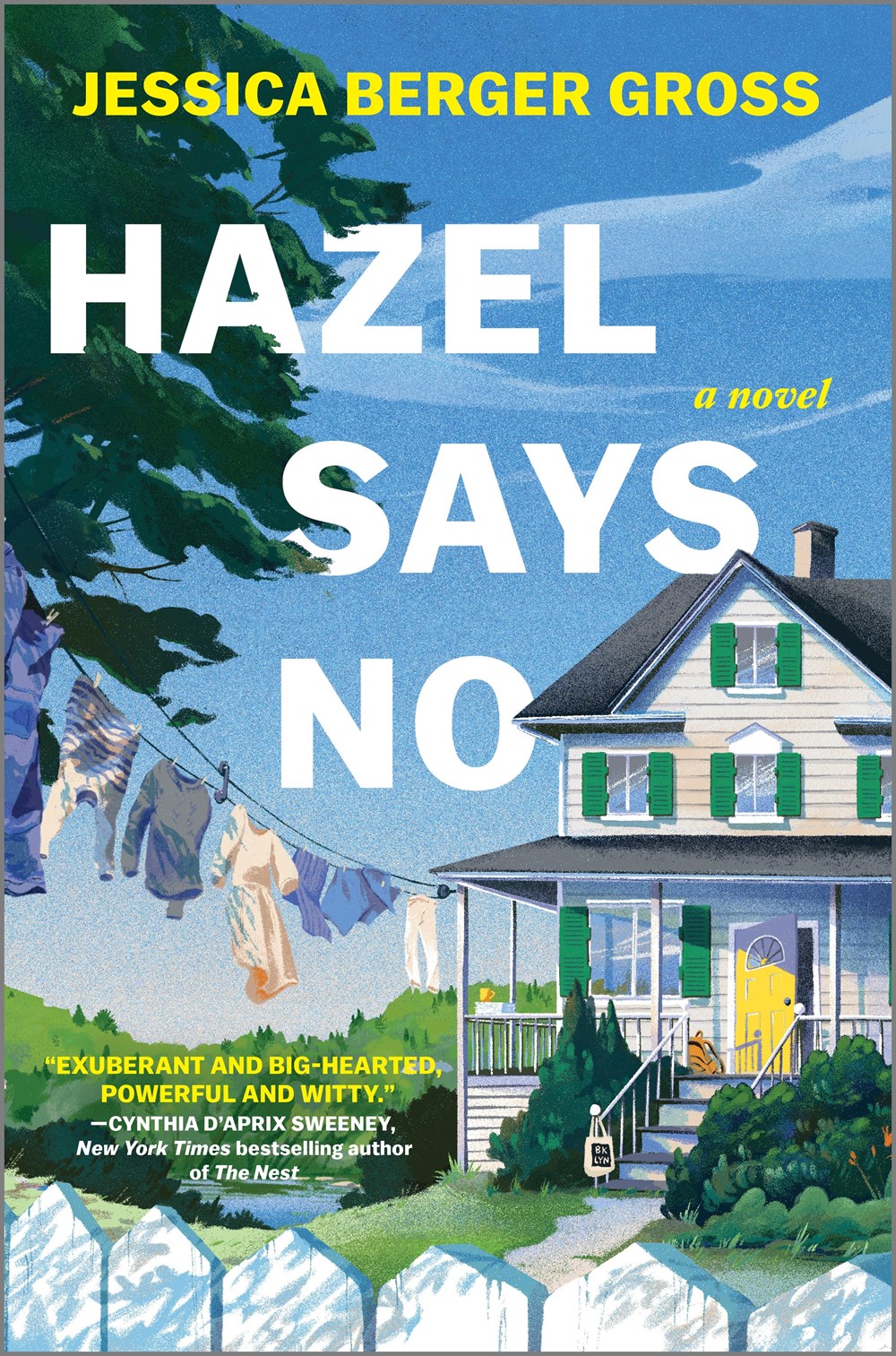
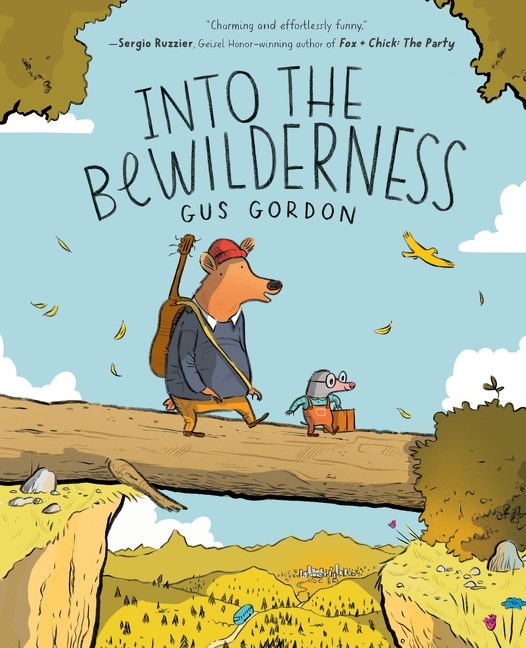
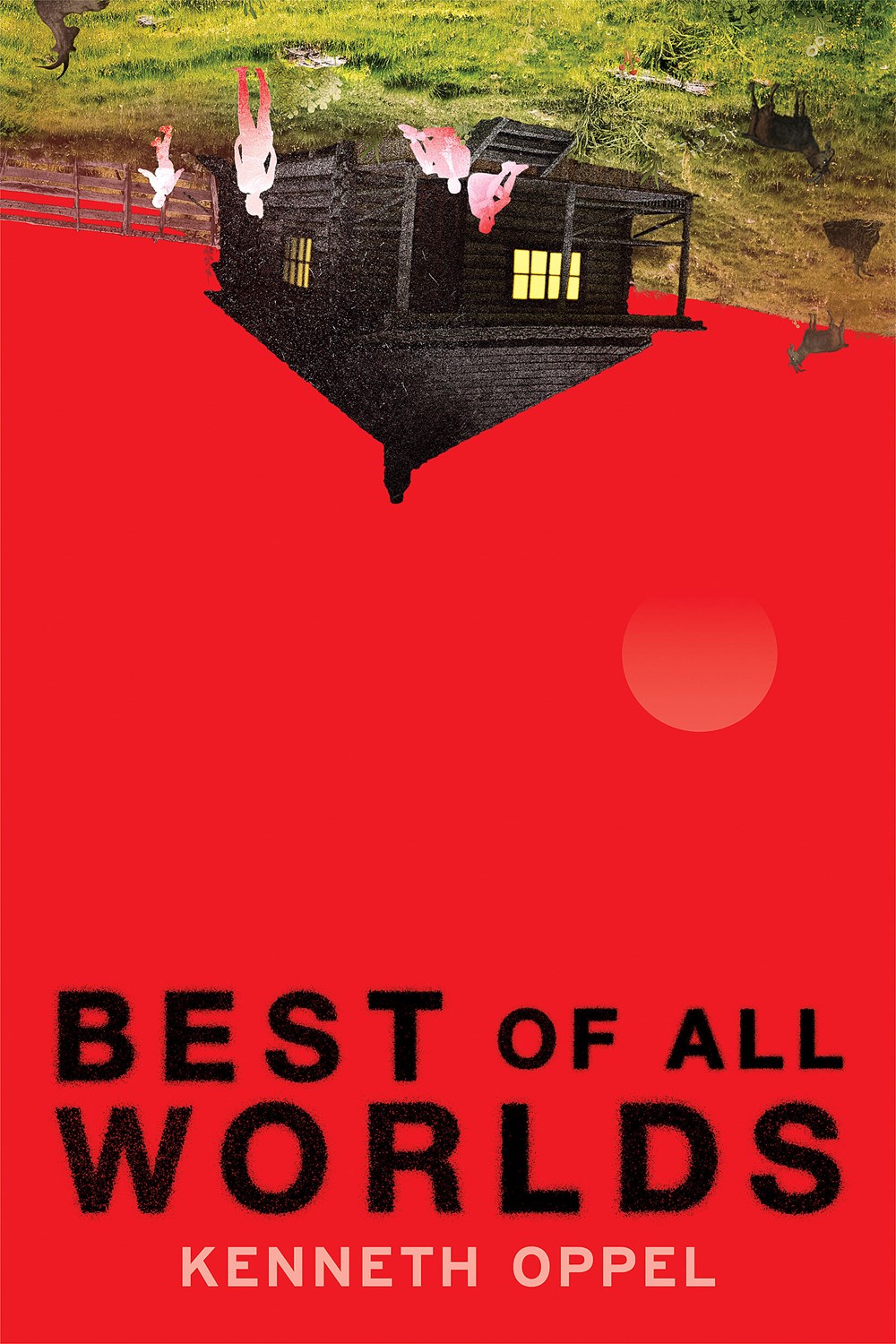
The week of September 9, 2025 What to read this month: folktales and fairytales  The September/October Read This Next! list for younger readers has a definite "once upon a time" undercurrent. Fairytales and folktales retold and re-imagined are at the heart of many of these stories, proving that some stories will always stay with us. Fox and the Mystery Letter by Alex G. Griffiths Angelica and the Bear Prince by Trung Le Nguyen A Snow Day for Amos McGee by Philip C. Stead, Erin E. Stead (Illus.) Make Me a Monster by Kalynn Bayron War Games by Alan Gratz Witchkiller by Ashlee Latimer Current Read This Next! books and what Southern booksellers have to say about them can always be found at The Southern Bookseller Review |


|
|
|
|
|
|
Read This Now! Recommended by Southern indies… |
|
|
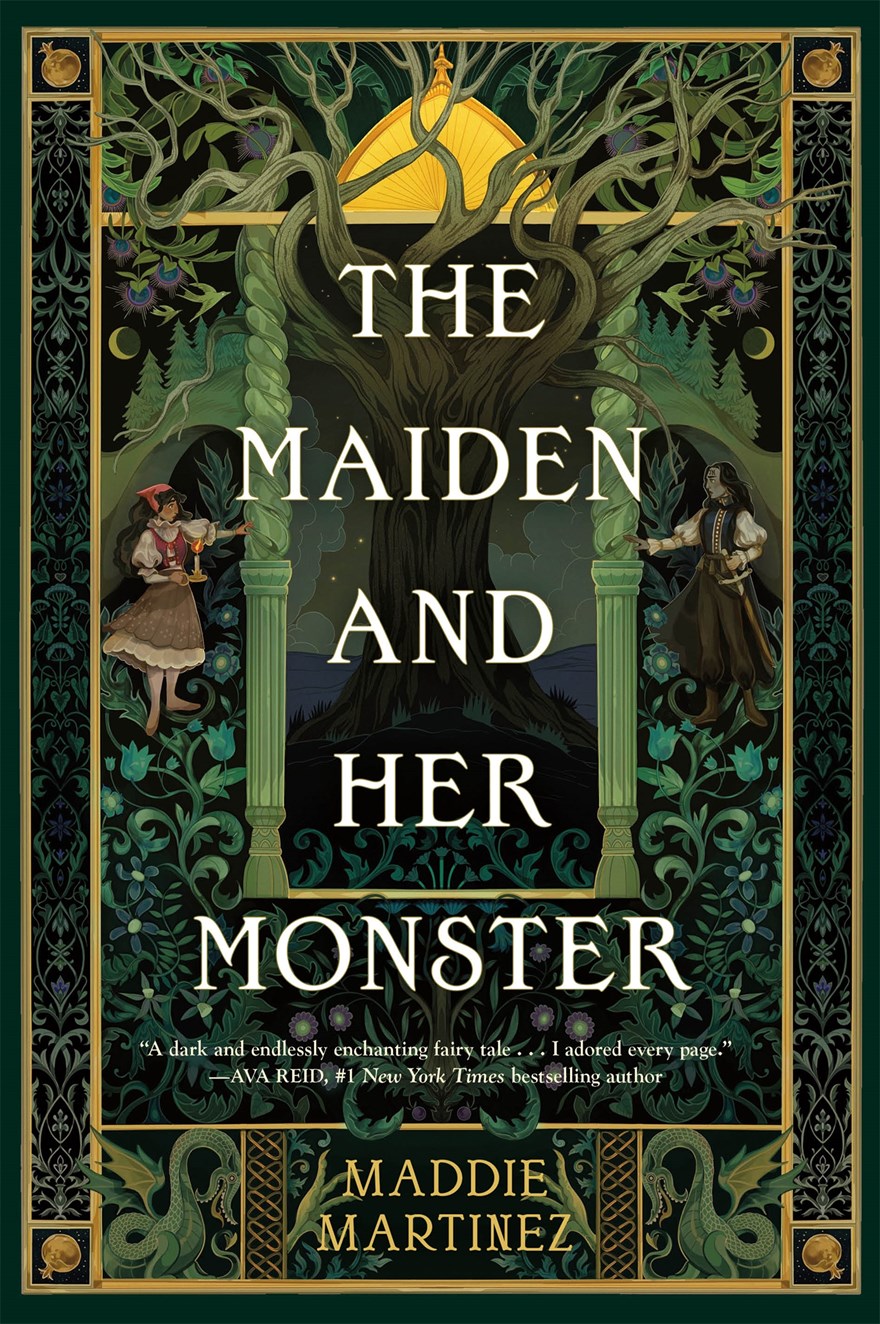
The Maiden and Her Monster by Maddie Martinez Adult Fiction, Fairy Tales, Fiction, Folk Tales, Legends & Mythology The Maiden and Her Monster leads you through dark and dangerous forests in a richly woven tale of faith and family. Perfect for readers who crave lush, atmospheric fantasies, Martinez brings a new life to the Jewish legend of “The Golem of Prague” with her tender, unforgettable sapphic romance. Reviewed by Courtney Ulrich Smith, Underbrush Books in Rogers, Arkansas |
|
|
|
|

|
|
Visions and Temptations by Harald Voetmann Adult Fiction, Dark Humor, Denmark, Fiction, Historical, Humorous, Literary, Medieval, World Literature It’s hard to describe what Harald Voetmann has captured in Visions and Temptations. It is a meditation on death, faith, sin, and human struggle. It is a hallucinatory travelogue of heavenly reward and divine punishment. It contains a striking monologue about onion-based farts. Fundamentally, though, Visions and Temptations depicts two fundamental and immutable elements of the human experience: mundanity and empathy. A compact, fascinating, and affecting read, unlike anything I’ve read before. Reviewed by Charlie Marks, Fountain Bookstore in Richmond, Virginia |
|
|
|
Bookseller Buzz |
 |
|
Saltcrop by Yume Kitasei 
I’ve always considered myself a pragmatic optimist, and part of that is my day job. My career has been in government. And I think you kind of have to be a bit of an optimist to sort of throw your entire life into that, because if you don’t believe that the world can be better, then what are you doing? What are you doing with your life? So I like to say that working in government is sort of trying to think about what the world should be, and science fiction is sort of like thinking about what the world could be. And so there’s sort of an interesting intersection between the two. So, yeah, no, I think I’m fundamentally an optimist, but obviously, it’s hard to be in this world and not see everything that’s going on and feel very concerned. And so I think that’s where the little bits of darkness come in. ― Yume Kitasei, Interview, Reader Tangents Saltcrop by Yume Kitasei 
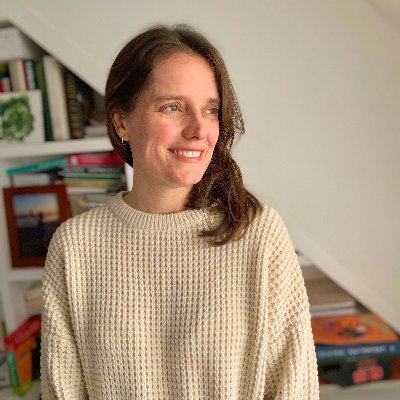
Yume Kitasei is the author of Saltcrop , The Stardust Grail, and The Deep Sky. She is Japanese and American and grew up in a space between two cultures—the same space where her stories reside. She lives in Brooklyn with two cats, Boondoggle and Filibus |
 |

|
|
The Loneliness of Sonia and Sunny by Kiran Desai Adult Fiction, Coming of Age, Family Life, Fiction, India, World Literature I’m now on the last 100 pages, and I find myself slowing down because I do not want it to end and dog-earing nearly every other page because the writing is so astounding. The characters, the worlds they inhabit in Vermont, New York, and India, and the cultural and family dynamics are written with such depth and humanity. Kiran Desai has created another masterpiece! Reviewed by Alsace Walentine, Tombolo Books in St Petersburg, Florida |

|
|
Replaceable You: Adventures in Human Anatomy by Mary Roach Adult Nonfiction, Cosmetic & Reconstructive, Human Anatomy & Physiology, Life Sciences, Medical, Regenerative Medicine, Science, Surgery, Transplant Mary Roach delves into the world of regenerative medicine, discussing everything from 3D-printed organs to the potential of stem cells. Not only informative, this book raises important questions about identity, mortality, and the future of medicine. Roach’s ability to blend humor with serious topics keeps readers entertained while prompting them to think critically about the implications of these technologies. Reviewed by Mevelyn Romay Fernandez, Square Books in Oxford, Mississippi |

|
|
The Scammer by Tiffany D. Jackson Thrillers & Suspense, Young Adult Fiction This book reminded me so much of a story of when a friend told me she almost joined a cult at our illustrious HBCU. I was initially intrigued because the book is inspired by a true story. The re-framing of the actual event on the campus of a HBCU was clever and culturally pointed! Once it started going, I was unable to stop reading. Reviewed by Alexis Morris, Resist Booksellers in St. Petersburg, Virginia |

|
|
A Spoonful of the Sea by Hyewon Yum Asian, Birthdays, Children, Cooking & Food, Fables, Girls & Women, Holidays & Celebrations, Juvenile Fiction, Legends, Myths A quiet, warm tale of seaweed soup, of haenyeo divers, of birthdays, of mothers and daughters. Hyewon Yum’s story and illustrations are a celebration of motherhood and the deep connection between women and nature, all through the tradition of birthday miyeokguk. A Spoonful of the Sea is perfect to share on birthdays, between mothers and daughters, and amongst families for whom mealtime is the most important part of the day. Reviewed by Mikey LaFave, Avid Bookshop in Athens, Georgia |
|
|
|
|
|
|

|
|
I Wish I Didn’t Have to Tell You This by Eugene Yelchin Art, Biography & Autobiography, Comics & Graphic Novels, Judaism, Religion, Young Adult Nonfiction Strangely enough, I just watched this on Netflix, and it was definitely telling of the time we are going through now. A very talented painter is captured by the OSS and sent to an insane asylum, given meds to make him compliant, and eventually gets force-fed. Eventually, he is released and tries to marry as a way of getting out of his country. He finds his way through his traumatic enslavement and manages to regain some of his humanity. Fabulous story. Reviewed by Judith Lafitte, Octavia Books in New Orleans, Louisiana |
|
Decide for Yourself Books that appear on PEN America’s list of challenged books. |
|
|
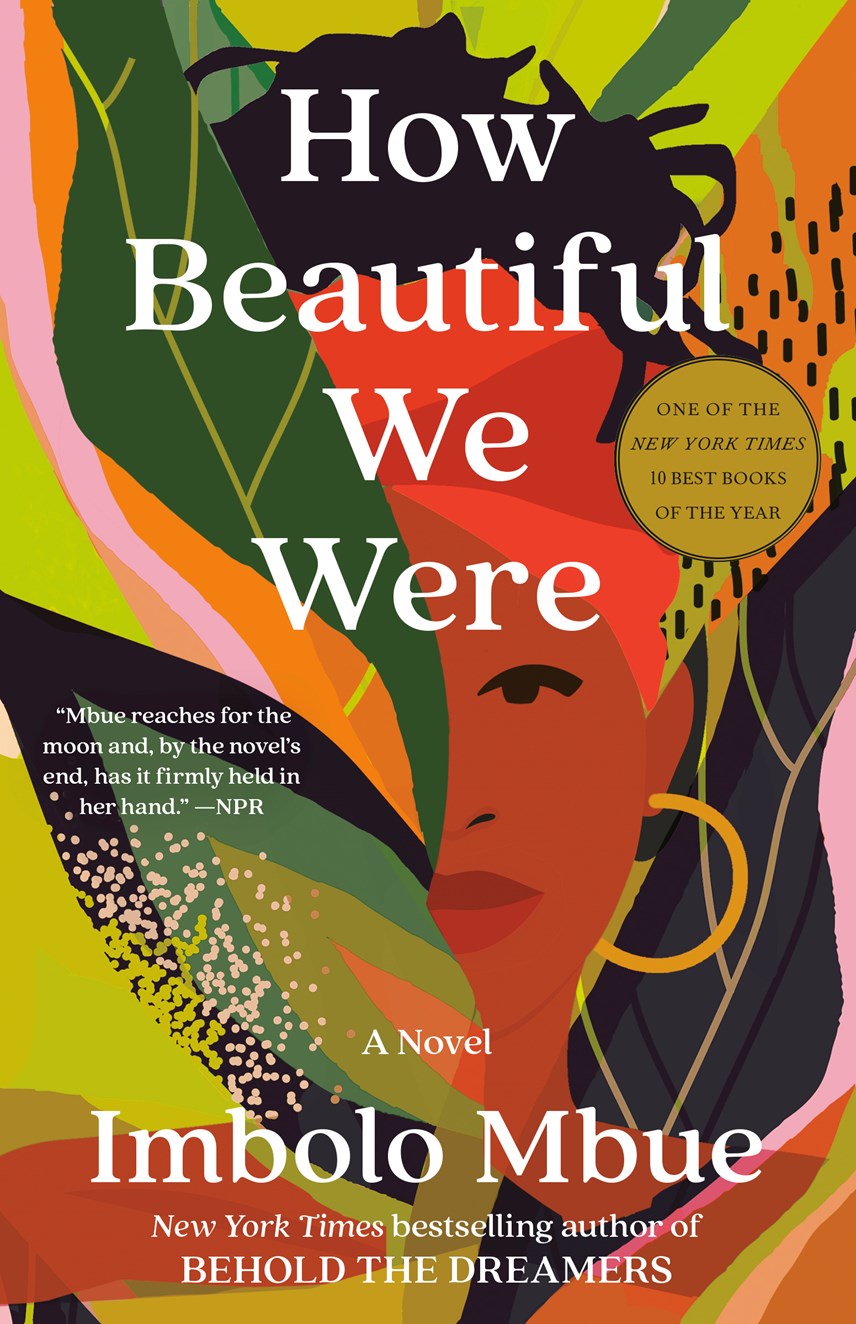
How Beautiful We Were by Imbolo Mbue African American & Black, Banned Books, Family Life, Fiction, Literary What a good book! Beautifully written and so forcefully told, this story of the power of corporations over people and governments. And the setting! So alien from what we’re used to, but at the same time recognizable from our own small town battles with corporate malfeasance. A very thought-provoking book that will be great for book clubs and one that reminded me of how I reacted to Homeland Elegies by Ayad Akhtar. Reviewed by Pete Mock, McIntyre’s Fine Books in Pittsboro, North Carolina |
Southern Bestsellers What’s popular this week with Southern Readers. |

|
|
The Correspondent by Virginia Evans Bestsellers, Fiction, Women What a gem! If you like beautiful writing and memorable characters, this one is a must read! In this epistolary novel, we get a look into the life of Sybil Van Antwerp, a mother, grandmother, divorcée, sister, mentor, and distinguished attorney. Sybil is comfortable and maybe feels she is on the back end of life, only to find new connections, forgiveness, and that change is always possible. Sybil is a force to be reckoned with! I loved Sybil. I wish she was a real person I could meet. Her connections with the people she wrote, and how she came to terms with various parts of her life during the novel, drew me in. I adored her relationship with her friend’s child. I always appreciate a book that talks about other books. There are just so many things to love about this one. Reviewed by Karmen Somers, Court Street Books in Florence, Alabama |



[ See the full list ] |
Parting Thought “Great stories happen to those who can tell them.” |
|
Publisher:
The Southern Independent Booksellers Alliance /
siba@sibaweb.com |
SIBA | 51 Pleasant Ridge Drive | Asheville, NC 28805
You have received this email because you are currently subscribed to receive The Southern Bookseller Review.
Please click @@unsubscribe_url@@ if you no longer wish to receive these communications.
The Southern Bookseller Review 9/9/25 Read More »


 What I really enjoy about writing love stories is the little moments that feel just as important as the big love declarations. I think it’s the acts of service, the little thoughtful things that each character will do for the other. In each of my books, there’s a moment that I can narrow down to, of consideration and thoughtfulness in a physical, tangible way. The way that Bo [Out on a Limb] goes about splitting their expenses. It’s not a grand declaration of love, but it’s respect, and it’s an understanding and communication, and it’s showing somebody who is really capable of having awkward conversations when wanting to take care of somebody. And wanting to look after someone with respect in mind. Or like Caleb in Out of the Woods, when Sarah is upset because they’re going camping and they don’t have any electricity. She doesn’t bring her Kindle, but he brings it, and he buys her a solar charger. It’s this little way of like letting someone know that they’re seen and their past influences matter









 I’ve always been a writer who puts character first, and when I embarked on writing this novel, I was prepared for some deep character dives. But Buckeye is larger in scope and size than anything I’d ever attempted, and I had no idea of the depths that awaited me… What I learned–what I keep learning, as a writer–is that when you bring a lot of characters together, a story emerges, and it’s not always the story you thought you were going to write.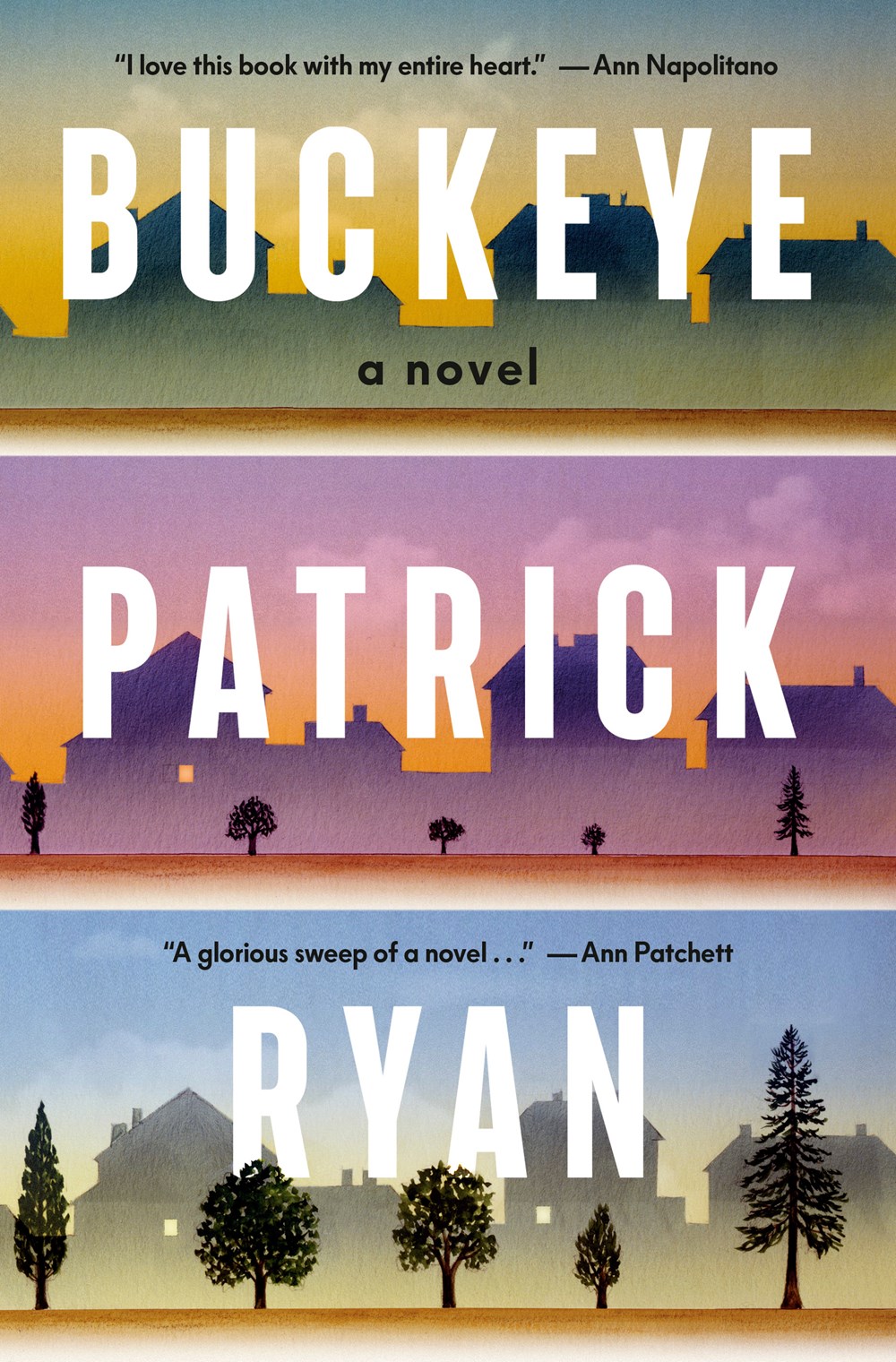










 When it comes to emotionality in the book, I wanted to portray how — this goes along with the ambiguity — multiple contradictory feelings can exist simultaneously within one person, and how our feelings may change over the day, over an hour, and over a year and a lifetime. Even the simplest things can be the hardest to say. For example, Bo really wants to tell Hans how proud he is. He tries to say it throughout the whole book. It was super frustrating to write. “Come on, Bo! You can do it!” It’s a simple and good emotion, right? You think that it should be easy, but a lifetime of normative training combined with the recurring conflicting aspects of the relationship get in the way. And in this sense, I was very inspired by my own father and grandfather. My grandfather told me how proud he was of my father and how well he’d done in life and so on, but he couldn’t tell my father that. But of course I did, and it made my dad happy. But there’s something that makes certain feelings really hard to express.


















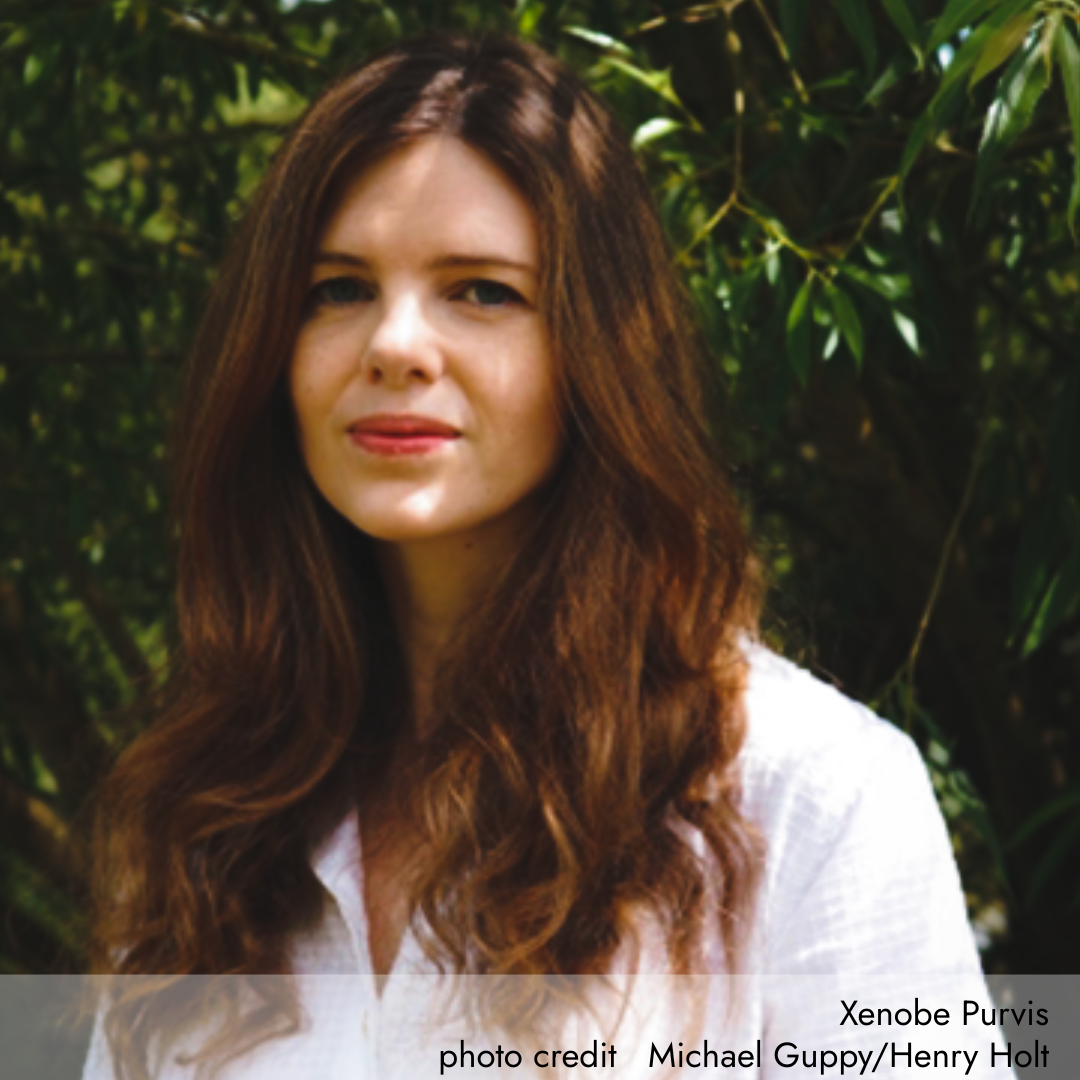 There are many examples of this kind of thing throughout history. I was actually inspired by a specific historical event; I came across the true story of a village in Oxfordshire in the 1700s in which a great rumor was said to be spreading that five sisters had been “seized with frequent barking in the manner of dogs.” I was obviously fascinated to imagine how the girls’ community would have responded to their case, and how this rumor spreading might easily have become dangerous and even violent…I agree [that the] incredibly sinister aspect of Shirley Jackson’s work, the vilification of the mundane…is definitely terrain that The Hounding shares with Jackson’s stories. Like her, I’m very interested in thinking about the everyday awfulness of people, but I also wanted to try to understand even my most detestable characters. I really wanted to find a degree of sympathy for all of them in order to inhabit their thoughts and feelings.




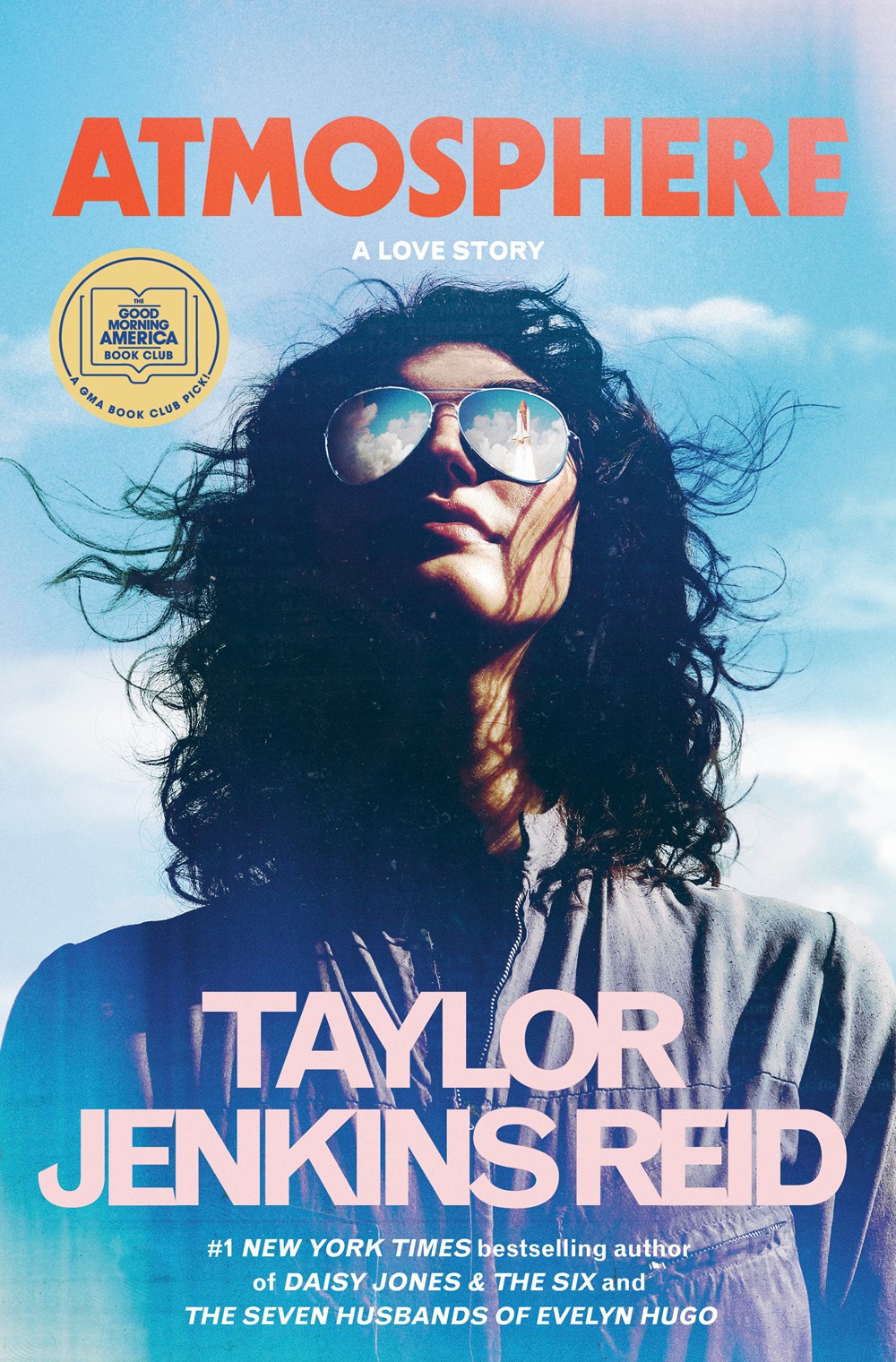

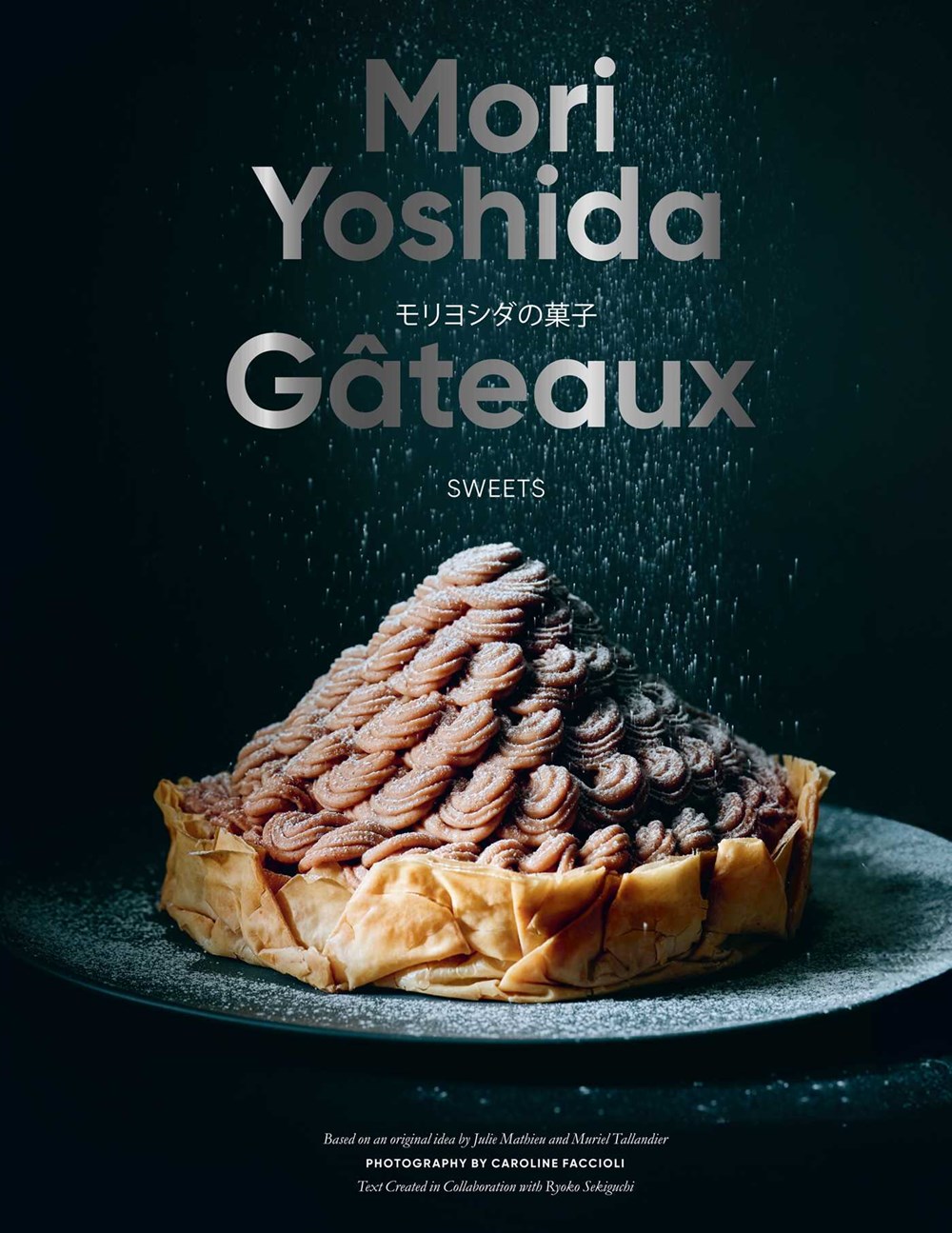
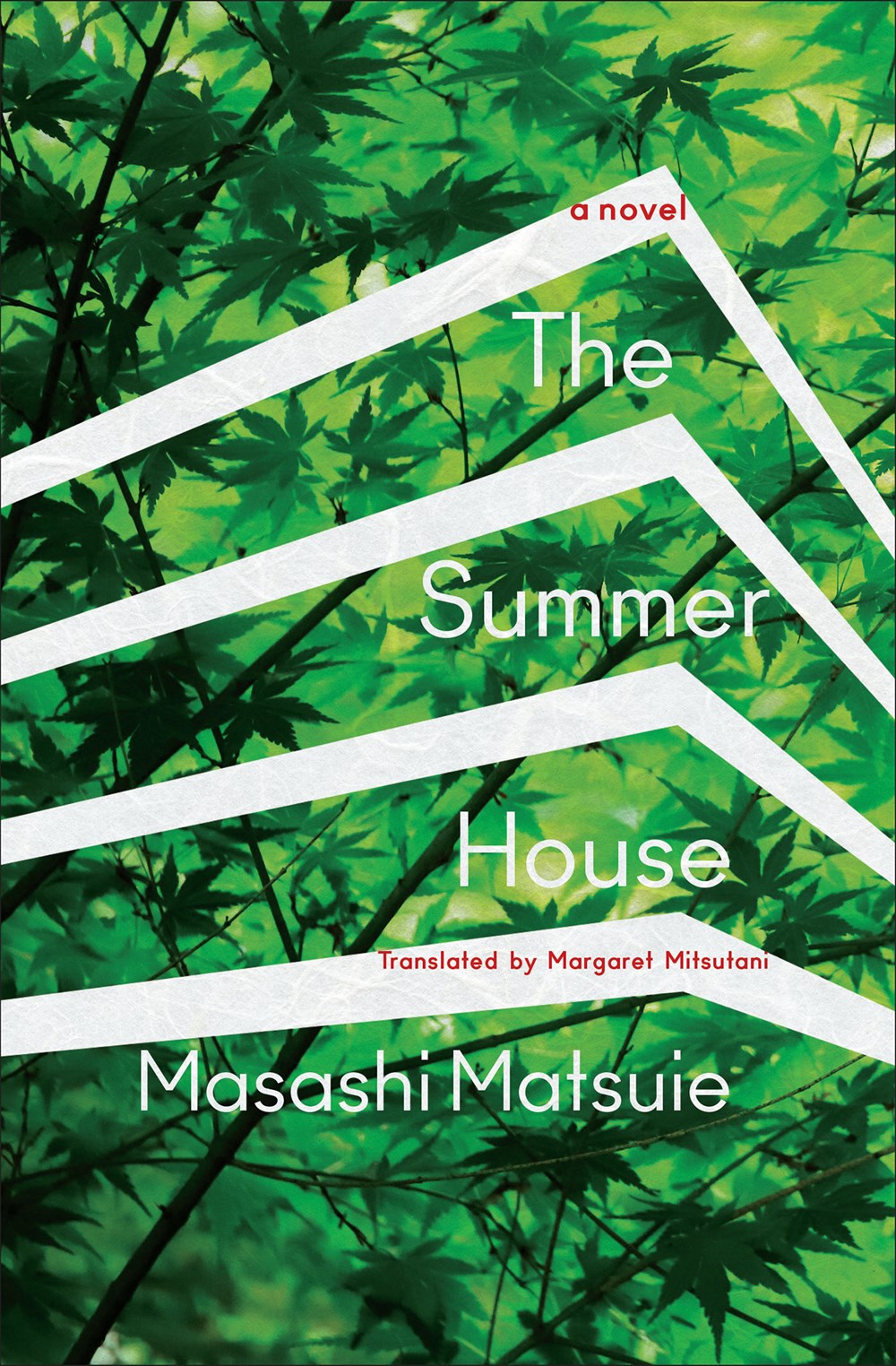
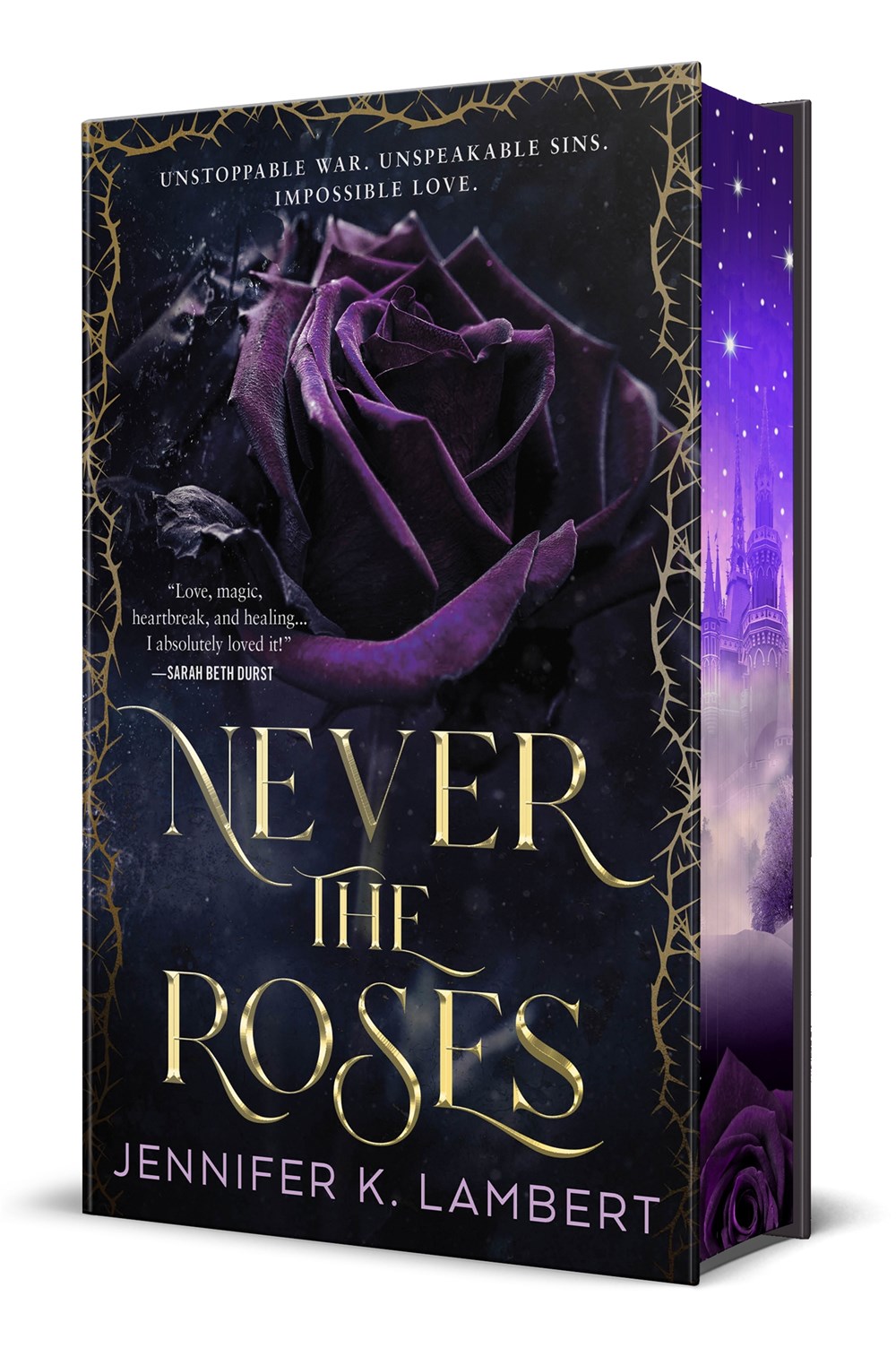

 They were such extraordinarily different people in the way they related to the world and other people. He was this awkward and lonely man before he met her, living quite a dislocated life, and she was this livewire and such a compelling, energetic, positive presence. [There’s] something about how a marriage like that works, then putting that marriage in this extreme scenario, to the ultimate test.

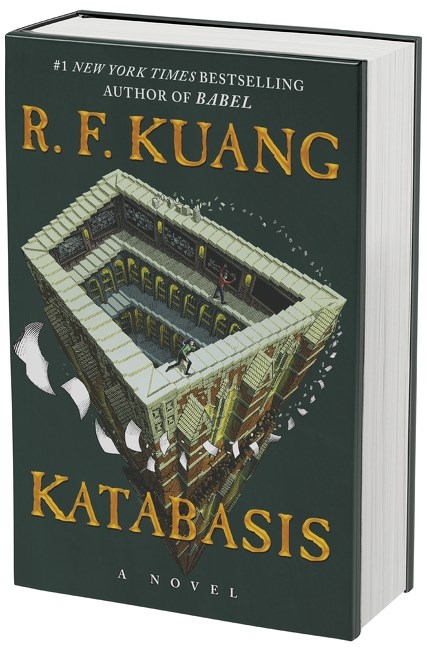
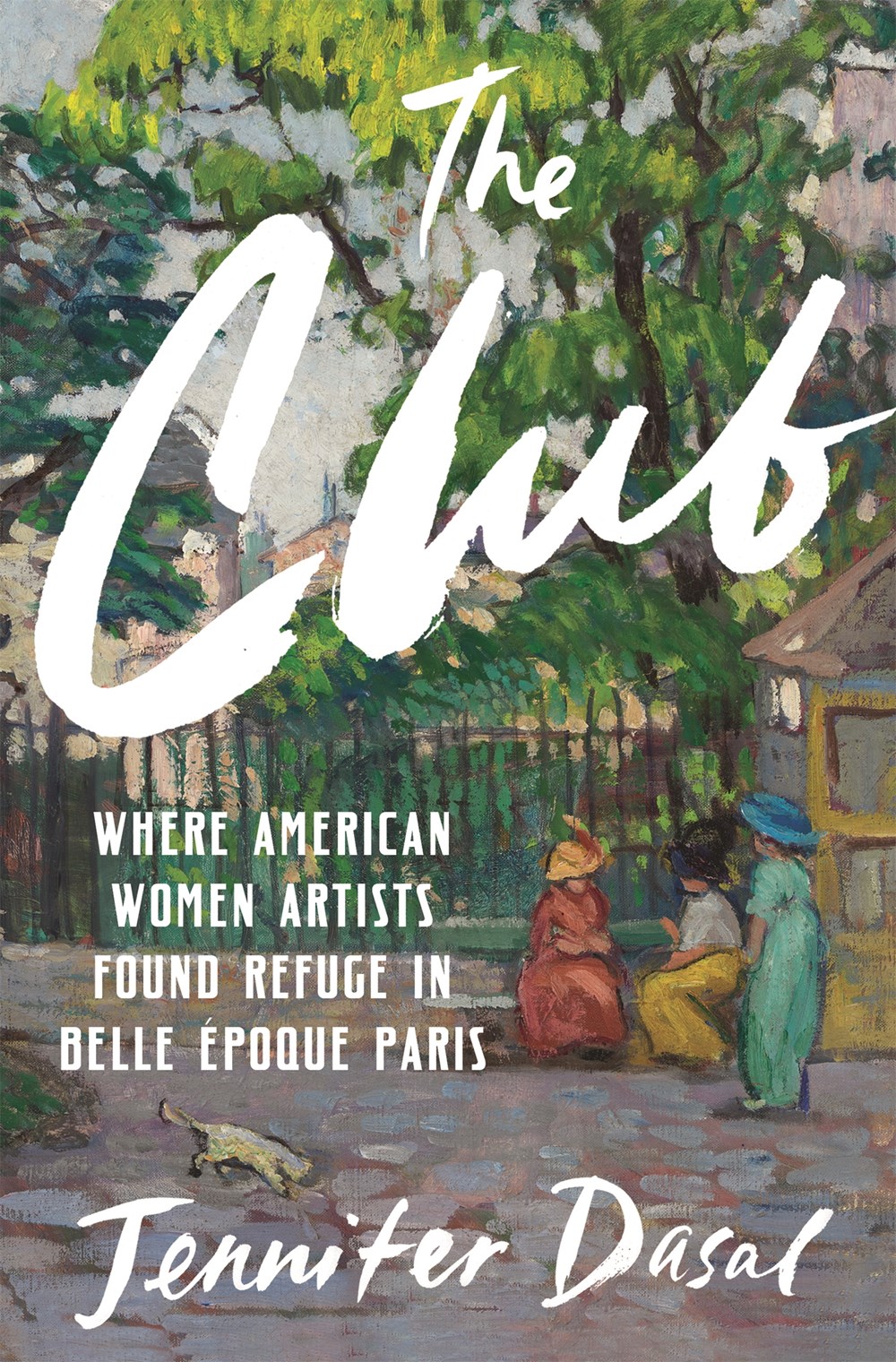

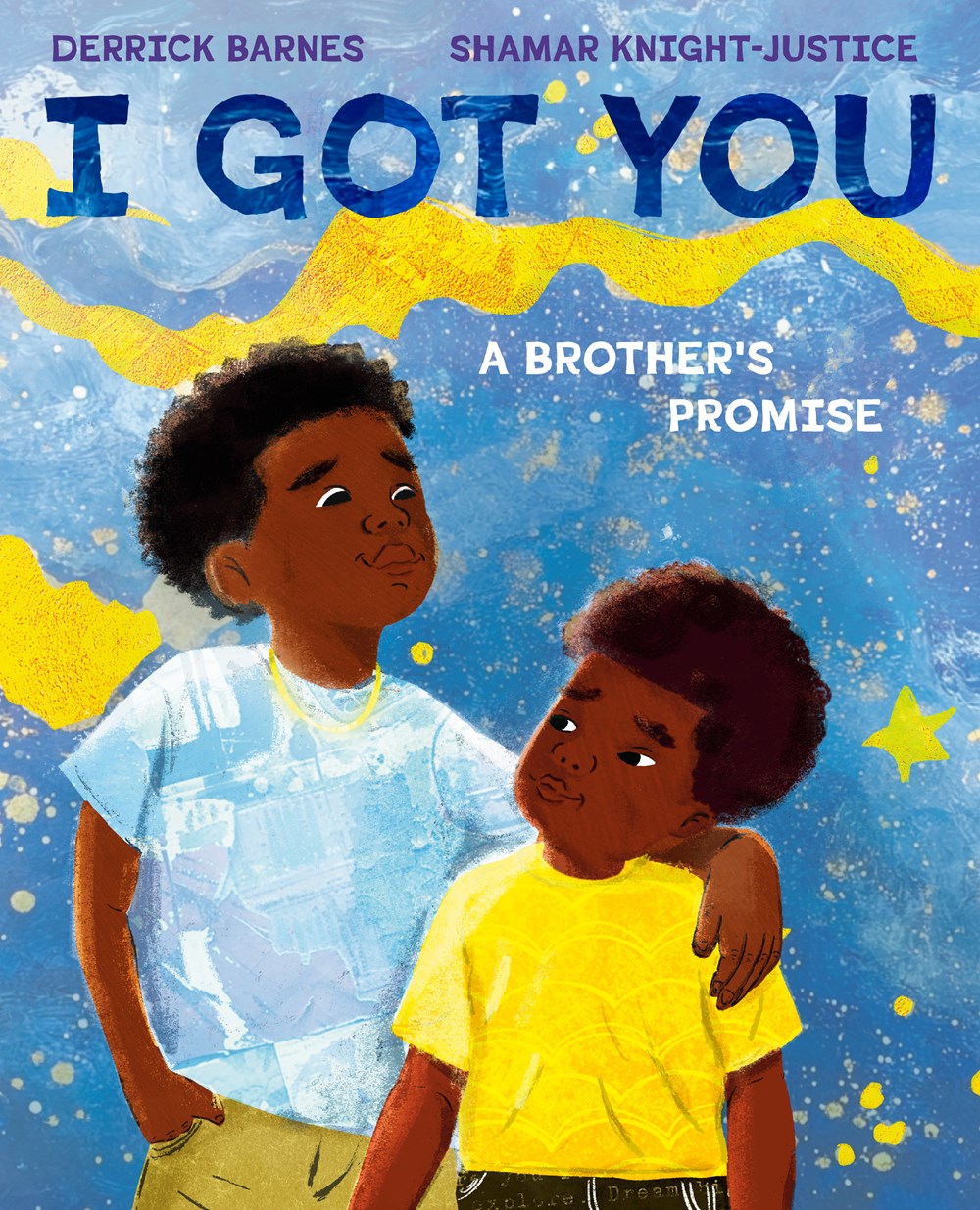






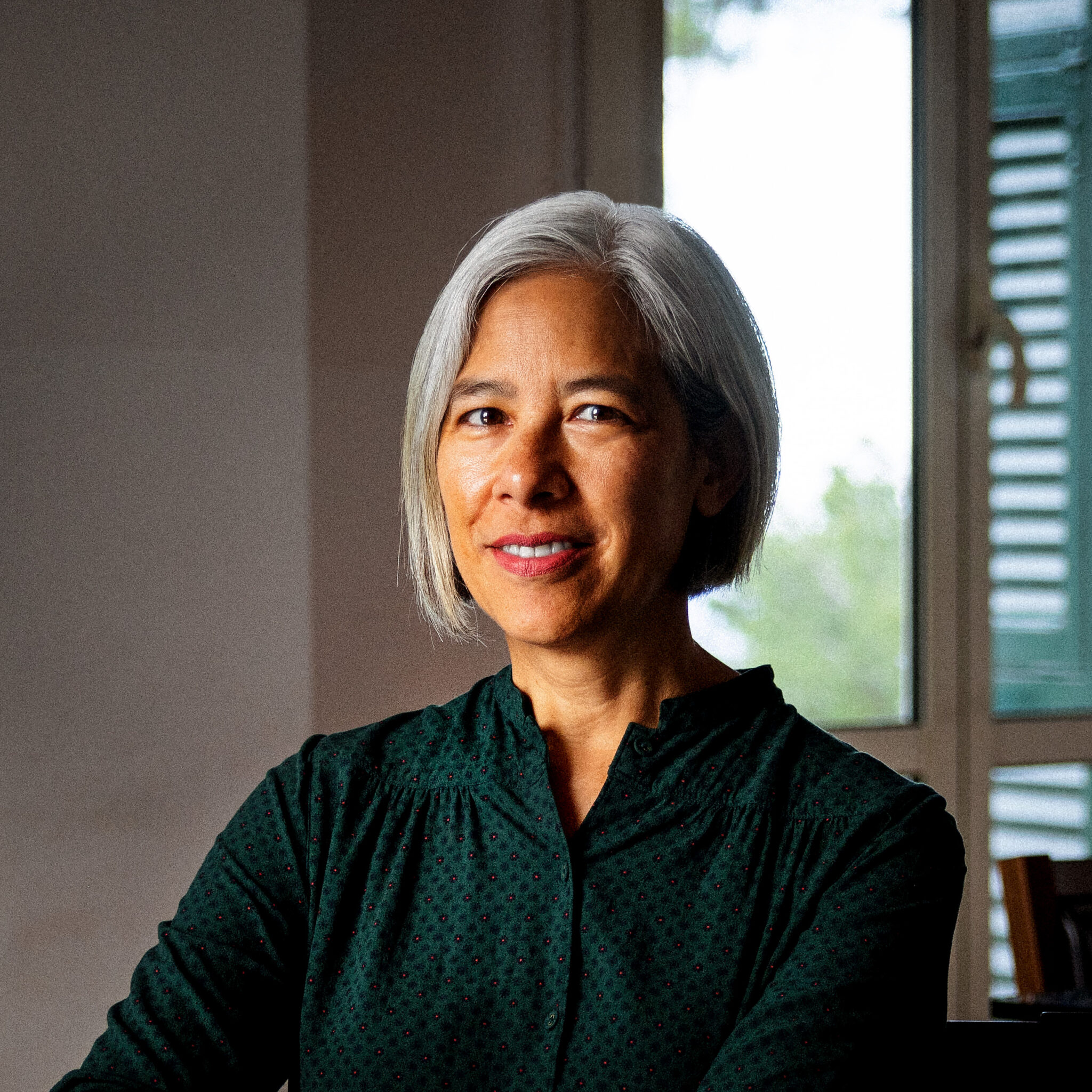 The premise, of a family in Japan, draws on my experience directly, because I spent time in Japan with my family when I was a child. But what prompted the novel are less specific memories themselves than the hazy, fragmentary quality of my memories from that time, the extent to which they’re partial and distorted. My memories from that time feel like dreams, and their atmosphere is sometimes quite ominous. Eventually a storyline that departs pretty dramatically from any event of my life came along to suit that weird, ominous tone.
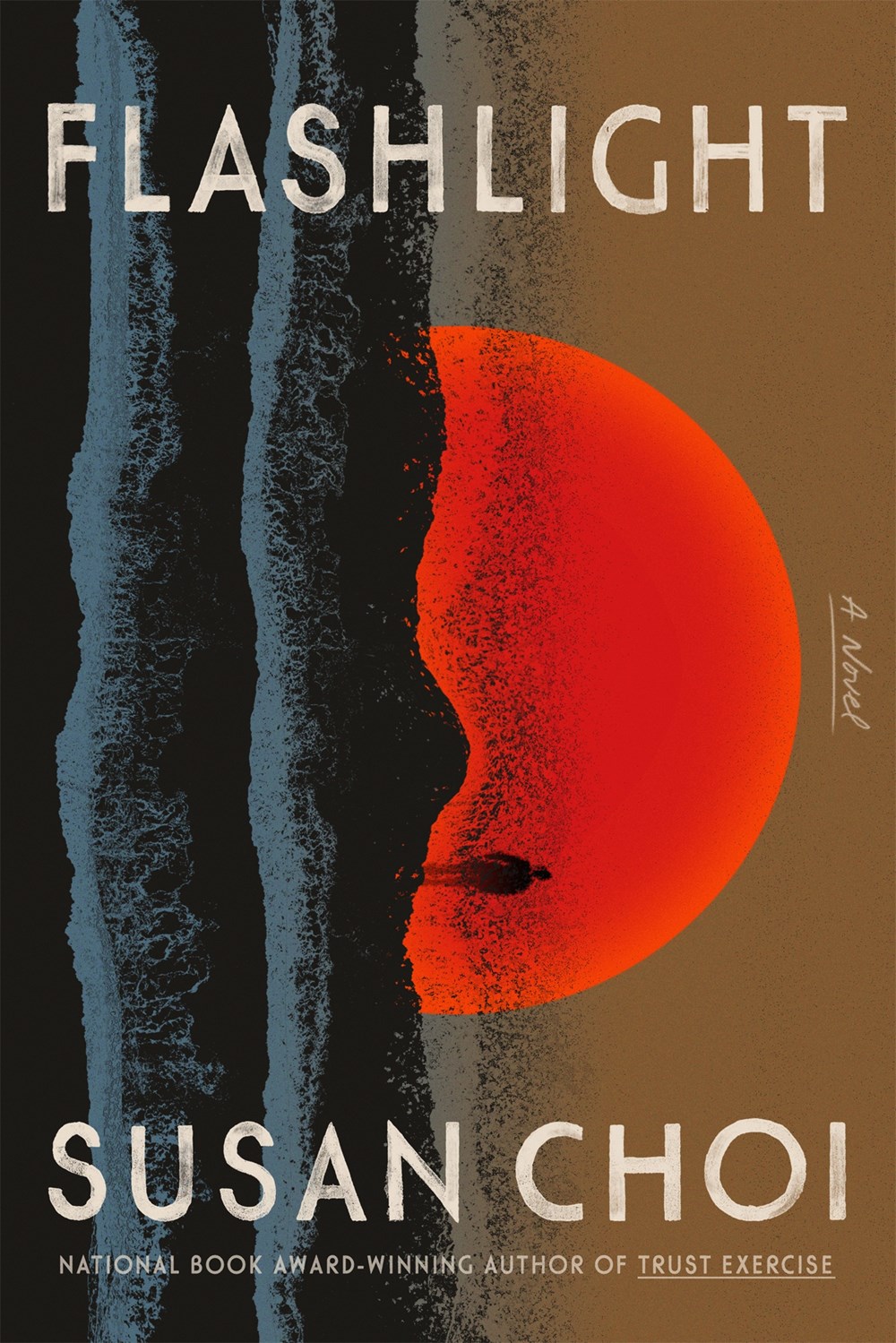

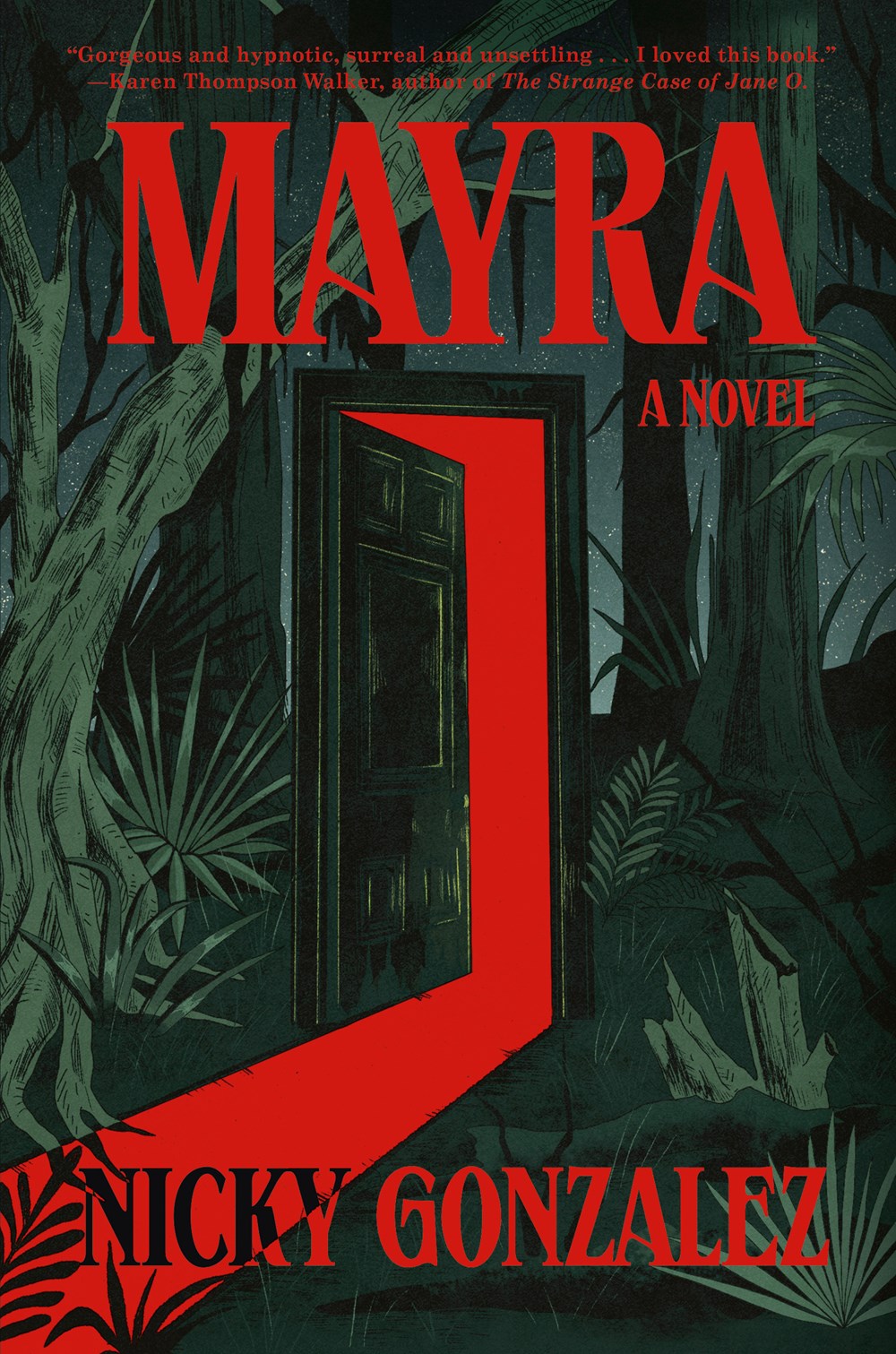
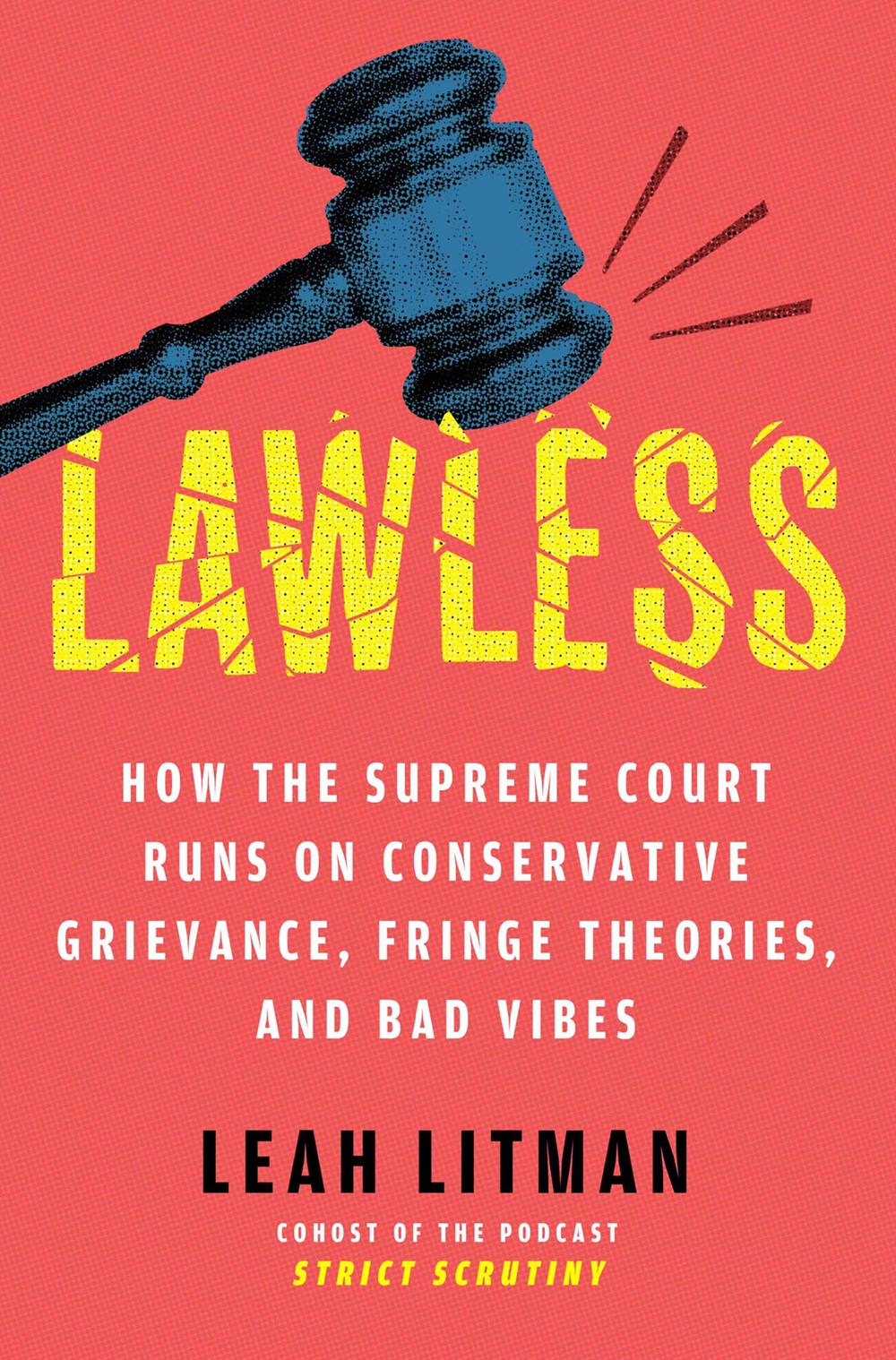

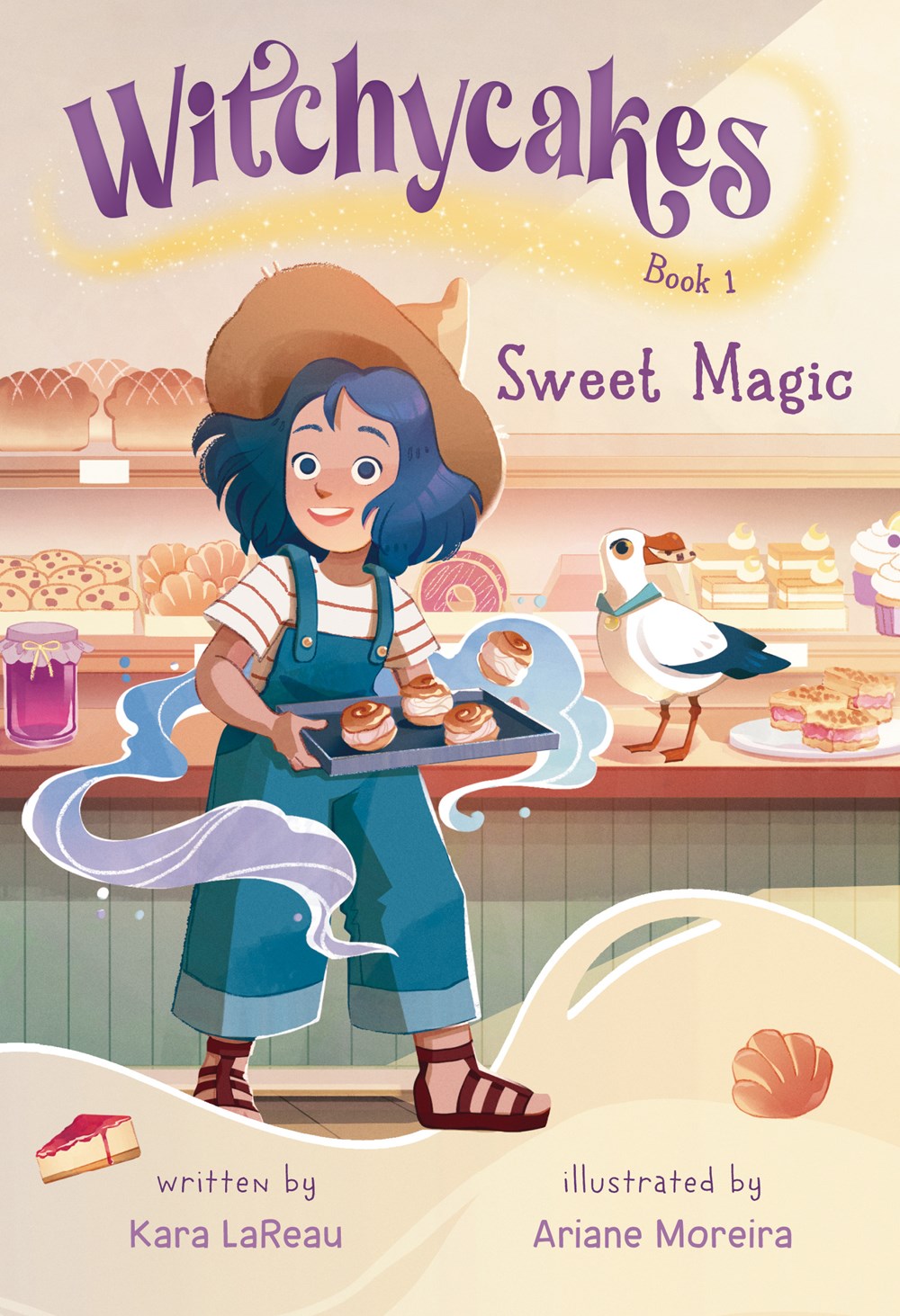
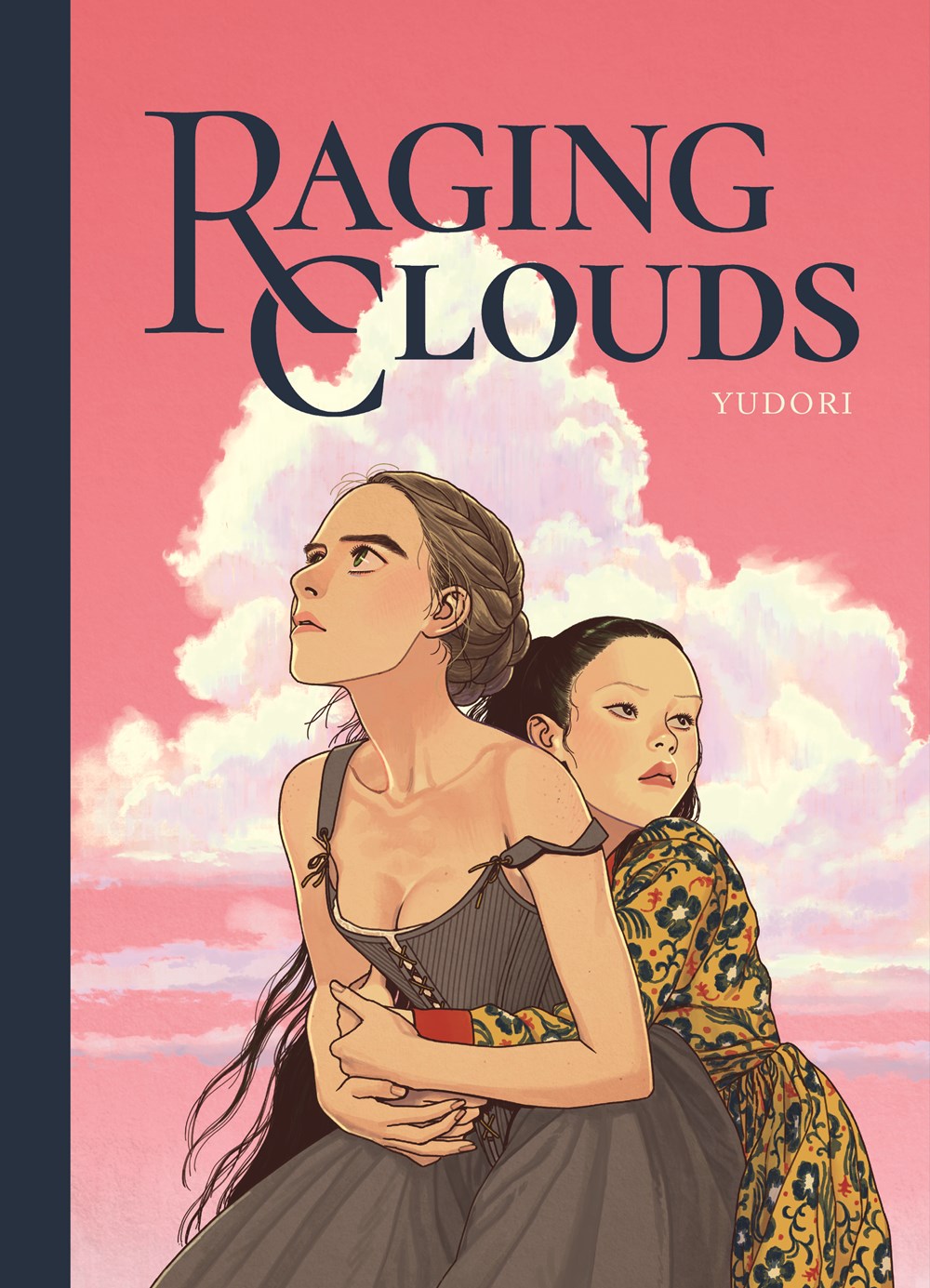

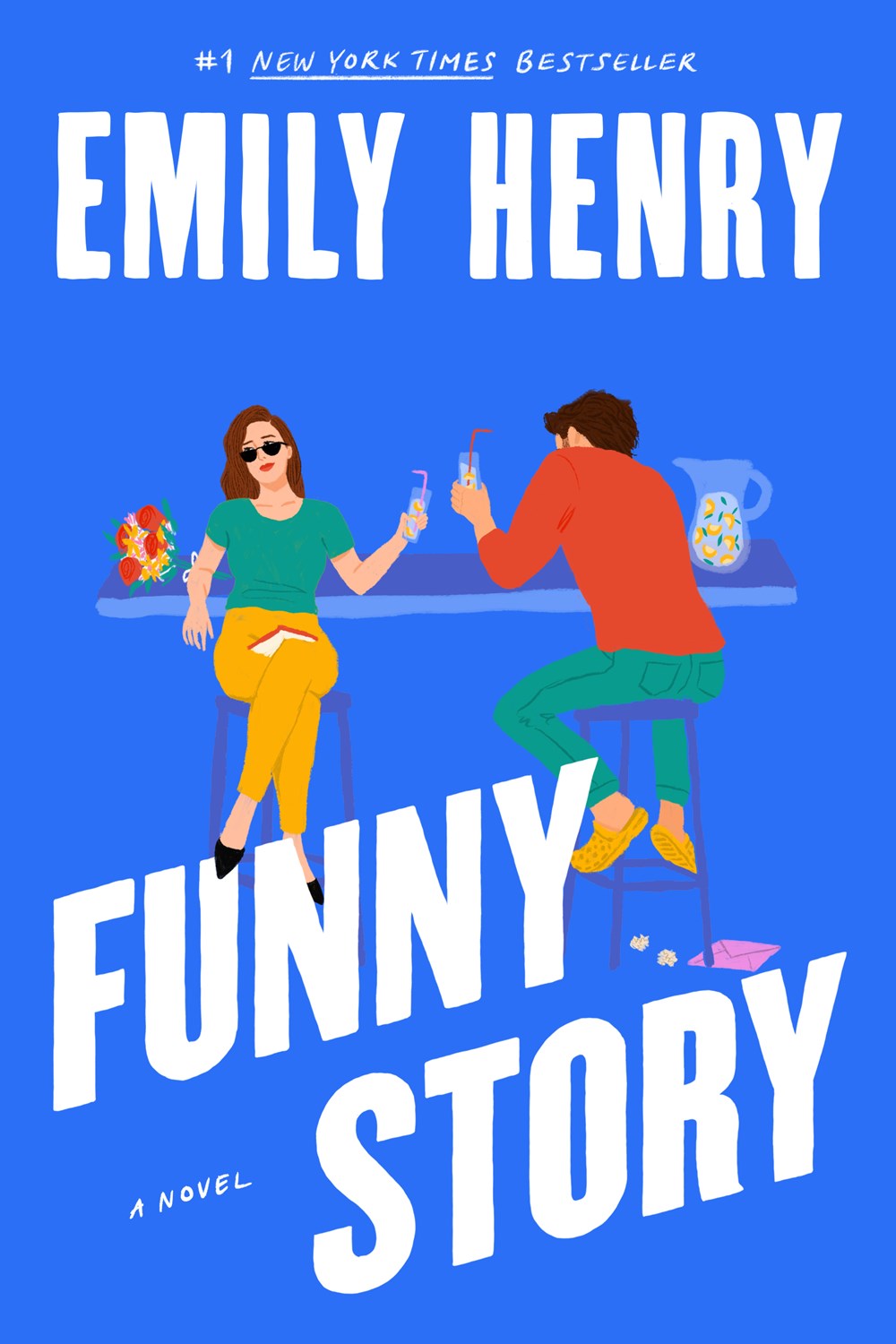



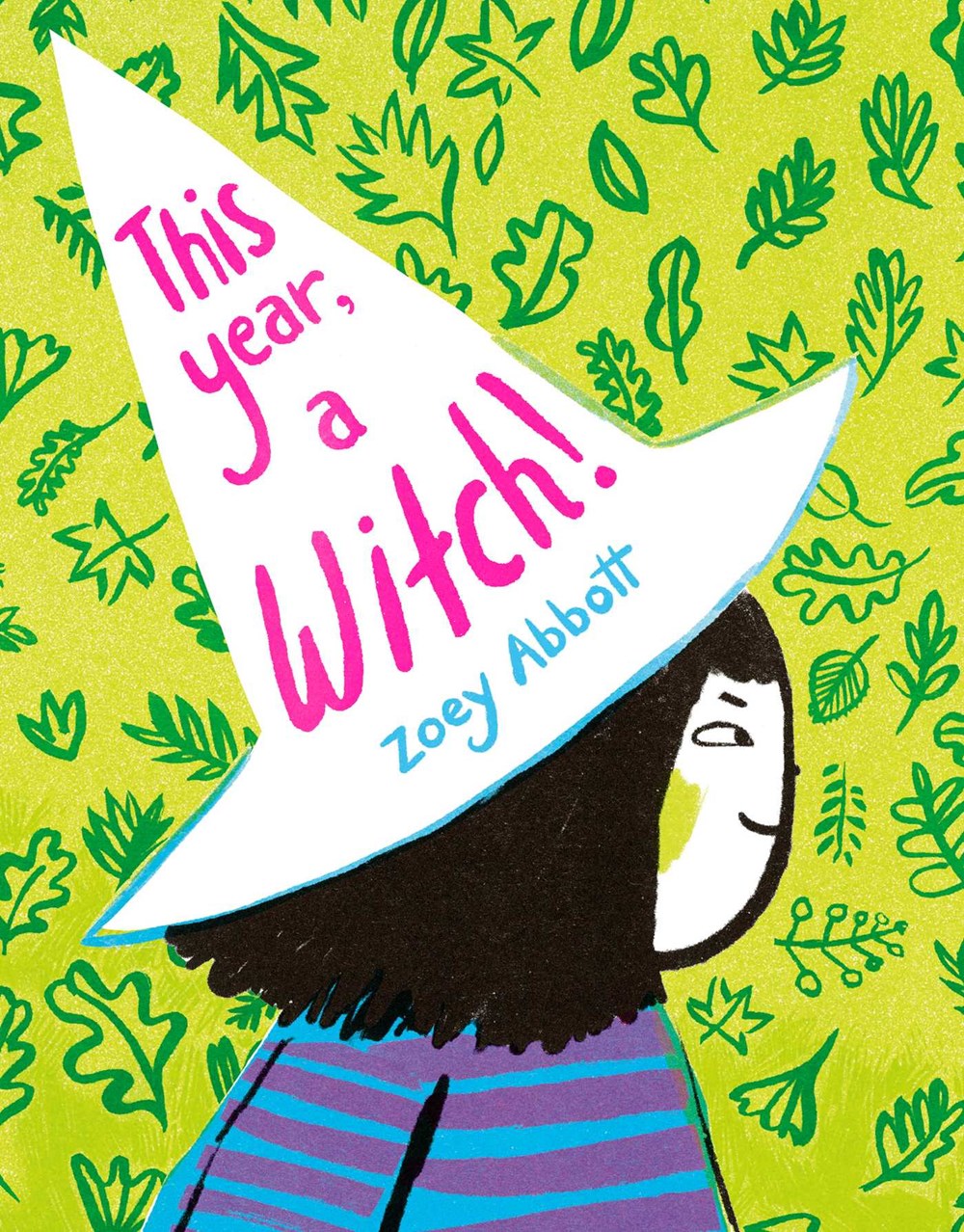
 If you talk about witches nowadays and you ask somebody to picture a witch, they’d probably say a pointy hat, a broom, a black cat. They are no longer considered malevolent.



 I don’t know it there’s an inspiration per se other than “I like dragons, and I like lady knights, I want to write a book about those things.” And so I did. “Brighter Than Scale” tells the story of Yeva, a dragon hunter with special abilities who was absorbed into empire against her will as a child and, as an adult, is sent as an ambassador to a nation that worships dragons as part of her emperor’s territorial aggressions. There she meets the girl-king Sookhee, the charismatic leader of the nation. But their growing relationship is threatened when Yeva uncovers secrets that will challenge the way she sees the world, and herself. The book may appear to be a queer love story, and it is indeed a queer love story, but at its core I think it’s about identity, it’s about finding your place and finding yourself in a world which constantly wants to erase you.




 Rhys is a former environmental reporter for a local newspaper. I was a newspaper reporter for about seven years, and still think of myself in many ways, almost as a spot-news novelist. So, I’m still drawn to write stories as they’re happening.








 There’s a part in the novel when [the protagonist] Corby says he thinks that women are just stronger than men because it’s women who come and visit the prisoners. Whether they are grandmothers who are taking care of the kids and wearing their convalescent home pinafores, girlfriends, or so forth—it’s women who show up. That was my experience when I would go to visit our son. Often, I’d be one of the few men who went into the visiting room; usually, it was another father. And sometimes I would be the only guy in the visiting room. I don’t think it’s because men are necessarily cold. They don’t necessarily detach from loved ones who are male. I think so many of men’s problems come down to fear. It’s not that women don’t live with fear, but that they can more easily voice that fear.


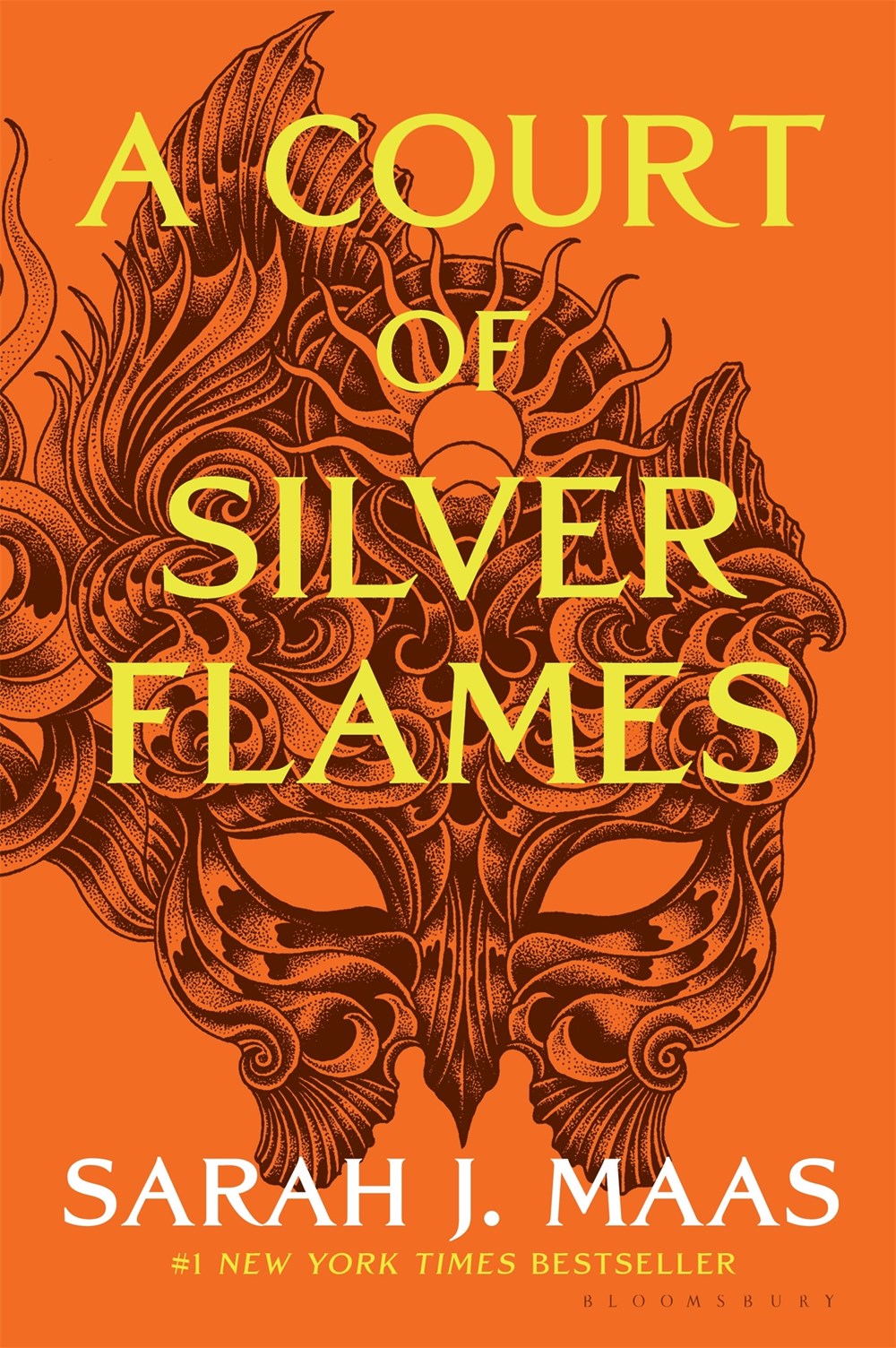
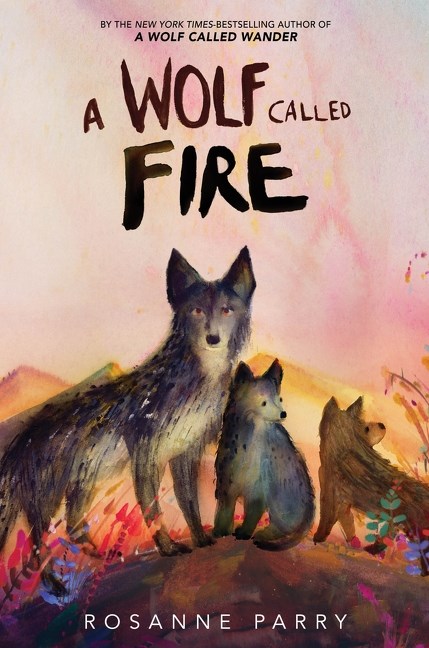
 What’s in your book bag?
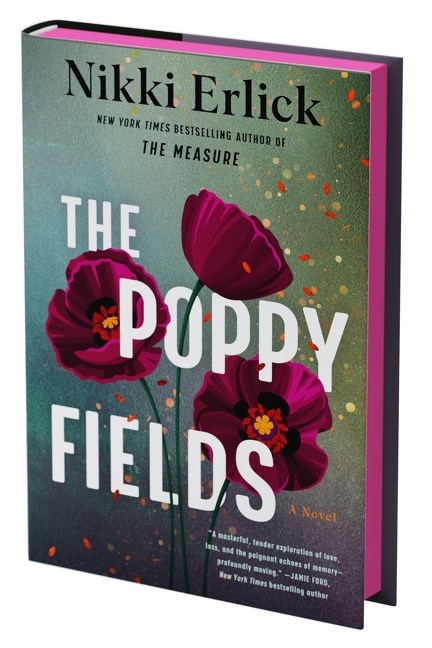


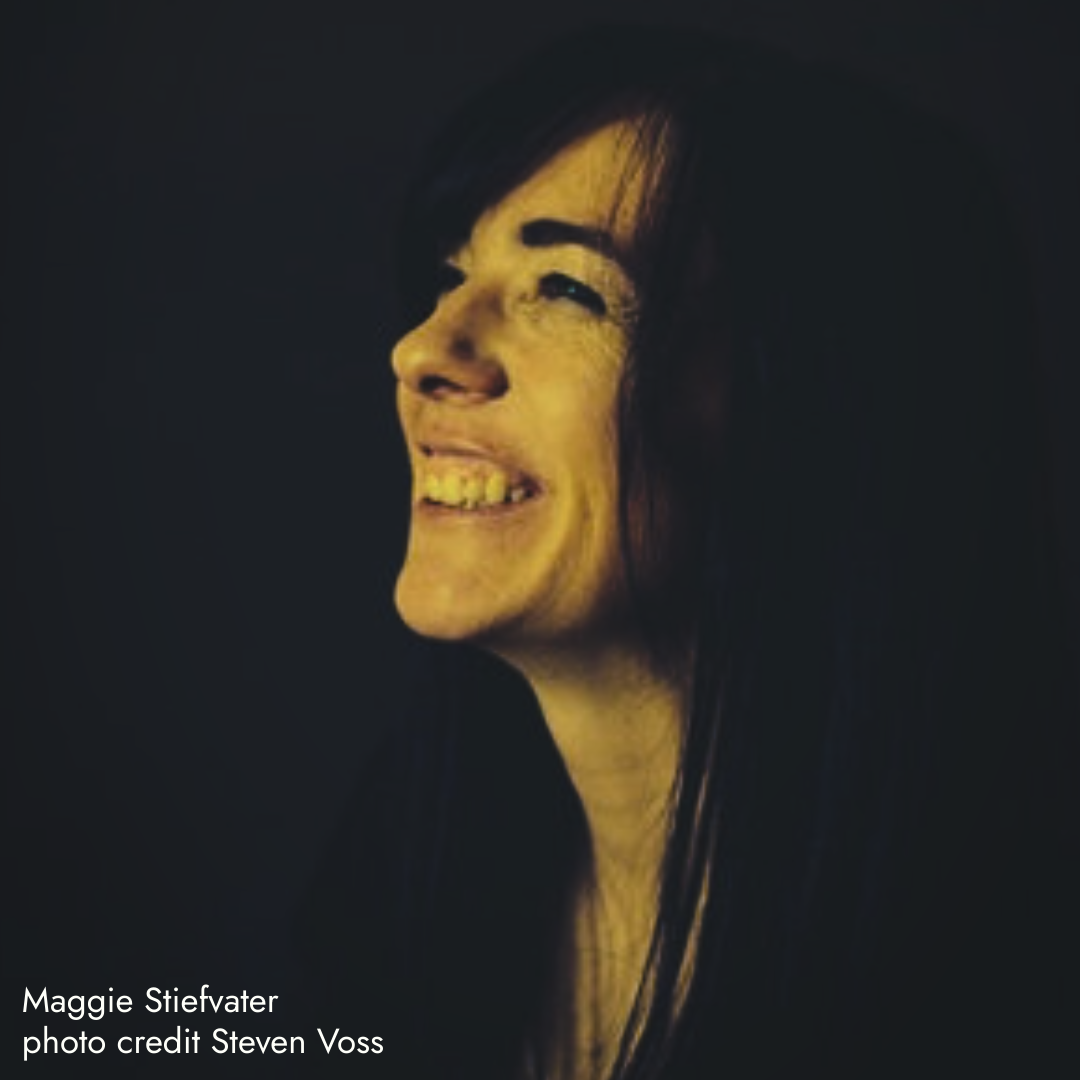 I wanted to write a controlled, intense, strange, sensual, truthful novel set firmly in a genre I’m increasingly thinking of as wonder. You can watch a romcom where someone is covered with bees and they’re terrified, and you’re laughing, so their experience is not the same as your experience. Likewise, you can be watching a horror film, and they think they’re having a normal Monday, and you know better. That’s where the horror happens.








 I like my stories to be immersive. I am a visual person when writing and reading. So to me, it’s all part of the characterization: the way that they wear clothes, what the clothes look like, what they look like. I also want it to be a lived-in world. So let’s talk about getting dirty. Let’s talk about taking baths. Let’s think about chapped lips. When I watch particularly fantasy content, I almost look for these things because it is a layer of grittiness that I like, a texture in a story, that I feel is real. The Knight and the Moth was really fun, like gossamer versus armor. You can look into themes of these things too and apply them to the story, or you can decide to read them very literally.








 I guess a lot of the fantasy I read as a kid was very much in the shadow of Tolkien, and in Lord of the Rings there is an objective right and wrong. You either give in to Sauron or you fight him, and the text leaves no doubt which is good and which evil. Not that I ever lost interest in Gandalf and Aragorn but as the years went on I started to find Saruman and Boromir more interesting. People who fall from grace, or rise to it. Characters in flux, in turmoil, weighing greater good against personal good, with mixed motives, with uncertain outcomes. People who surprise the reader. In our world, everyone thinks they’re in the right. Battles aren’t of good against evil, but one man’s good against another’s.