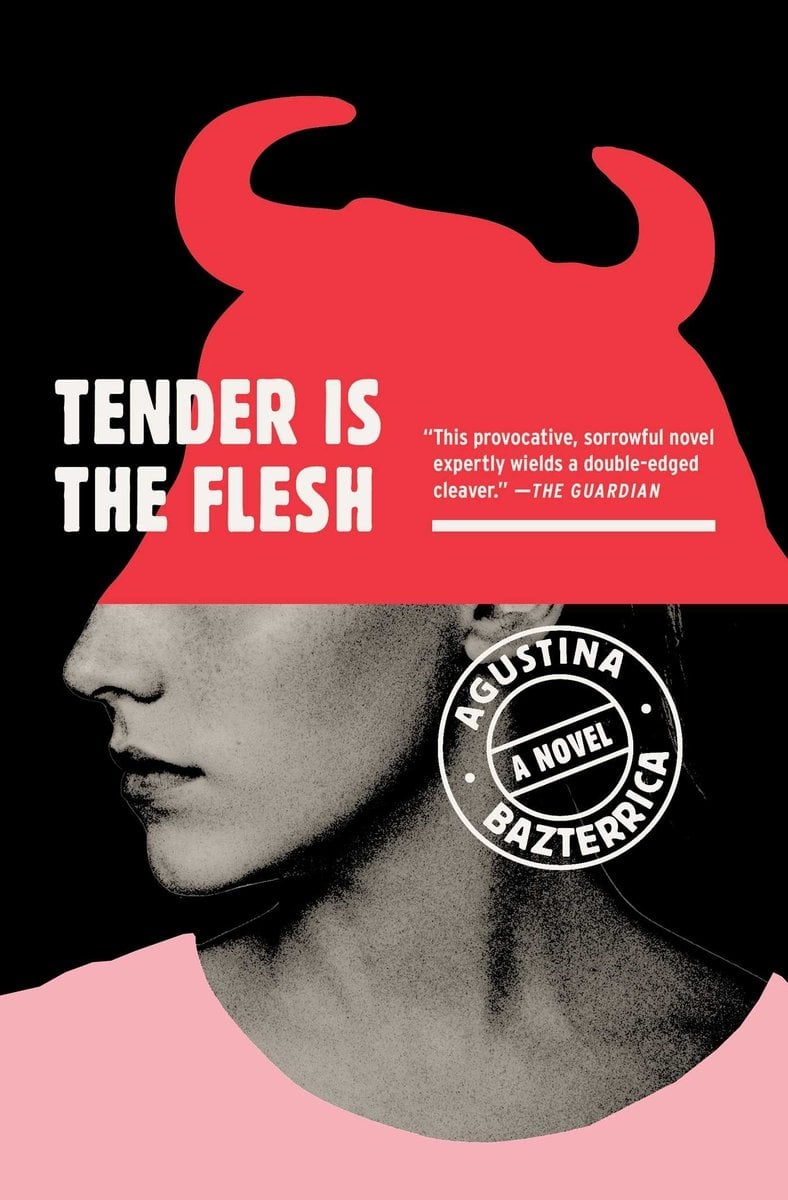
What in the world did I just read. This book was crazy and insane from start to finish and I am genuinely thinking so many things right now. I think it truly shows how animalistic human beings are. It’s horrifying, it’s gory, but it seems so completely realistic – making it worse. It’s the way that human beings change and adapt to new language in order for human horrors to not seem so animalistic, such as calling humans “special meat”. This in a way makes it seem like the atrocities they’re committing make it okay, makes it seem normal. While we’re horrified by what’s happening with these human beings, it’s the exact same thing that’s happening to cattle and other animals that we consume. But because we can physically distance ourselves from them, we don’t seem to care how the dairy industry and meat industry are committing the exact same things to their animals. I think the scene with the dogs is especially important to the story. As humans, we feel compassion for the puppies because we see them as pets and creatures that belong to us and need our care, making the horrific scene that happened to them disturbing. However, no one bats an eye when it’s a cow or another animal that is consumed. Really eye opening right there. Overall, it was amazing and incredibly done, as well as utterly horrific
Tender Is the Flesh by Agustina Bazterrica, (List Price: $17.99, Scribner, 9781982150921, August 2020)
Reviewed by Itzy, M. Judson Booksellers in Greenville, South Carolina