Between the World and Me by Ta-Nehisi Coates

Between the World and Me” is an honest, raw love letter from Ta-Nehisi Coates to his fifteen-year-old son, Samori. The six-chapter letter was conceived after Coates watched his son’s heartache at the announcement that there would be no charges filed against Darren Wilson, the police officer who killed unarmed teenager Michael Brown. Coates reveals his own fears for his son and his frustrations with the world the boy is growing up in. He writes about the many senseless murders of black men; men who would still be alive if it weren’t for their black bodies. Coates tells his son, “You have every right to be you. And no one should deter you from being you. You have to be you. And you can never be afraid to be you.” Except the last sentence contradicts the world in which we live. Because Coates is afraid, both for his son and himself, but also of the world in which they live. The word body is repeated excessively in his letter. It is an insightful and persuasive argument that, first and foremost, we are a body. We are a body before any other distinguishing markers or features, and they embody a state of blackness. While this revelation isn’t new, the way Coates strings together his argument so elegantly causes one to pause and contemplate. His contrasts between human ideals and the stark realities of life rooted in racism are raw and painful. I found myself comparing this letter to Isabel Wilkerson’s masterpiece, Caste. While Coates points out the ways black bodies have been mistreated, his letter doesn’t provide the depth of contemplation and assessment that Wilkerson’s excellent work did.
Between the World and Me by Ta-Nehisi Coates, (List Price: $20, One World, 9780812983814, June 2025)
Reviewed by Nichole, Bodacious Bookstore and Cafe in Pensacola, Florida
Between the World and Me by Ta-Nehisi Coates Read More »
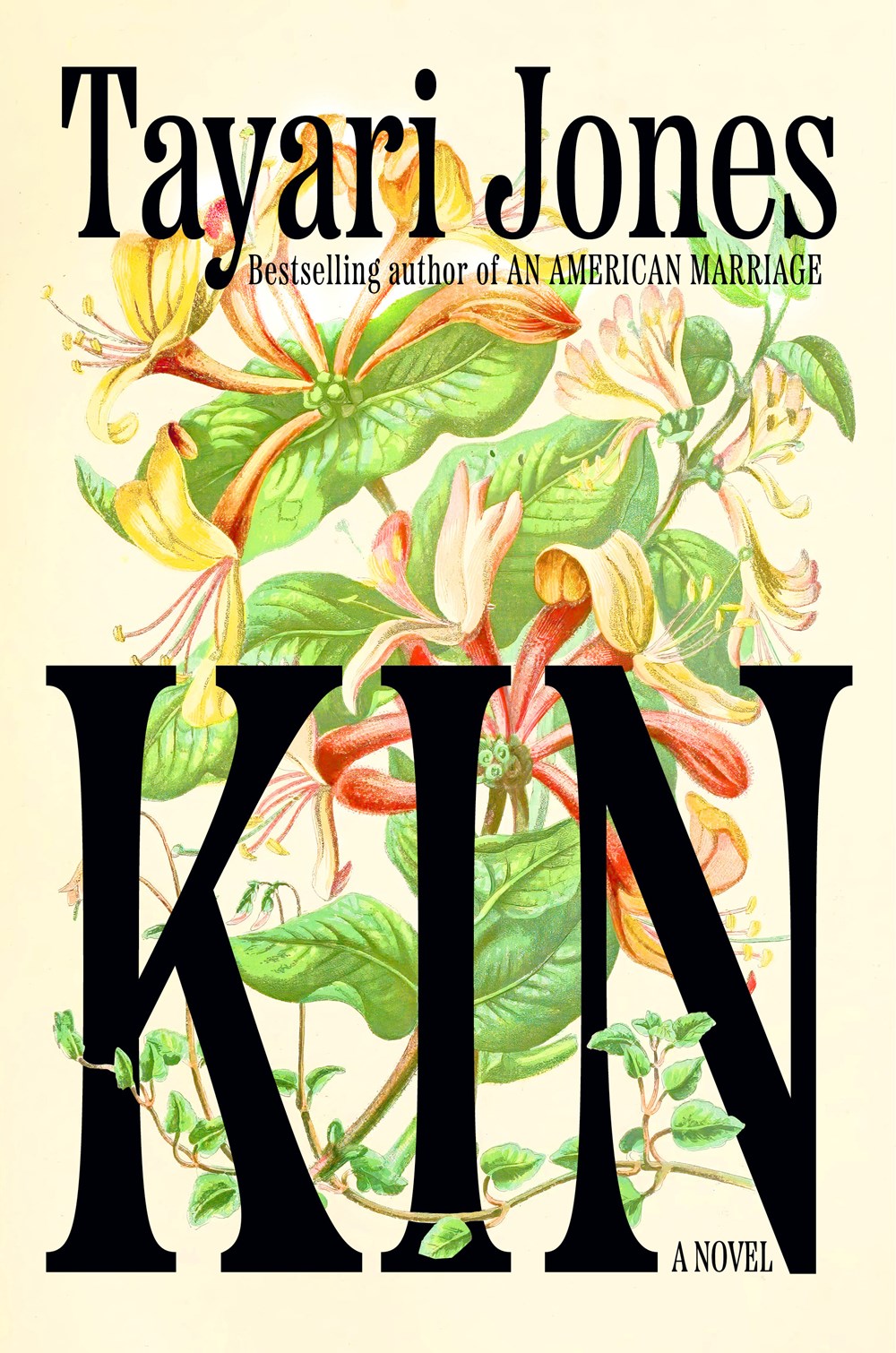

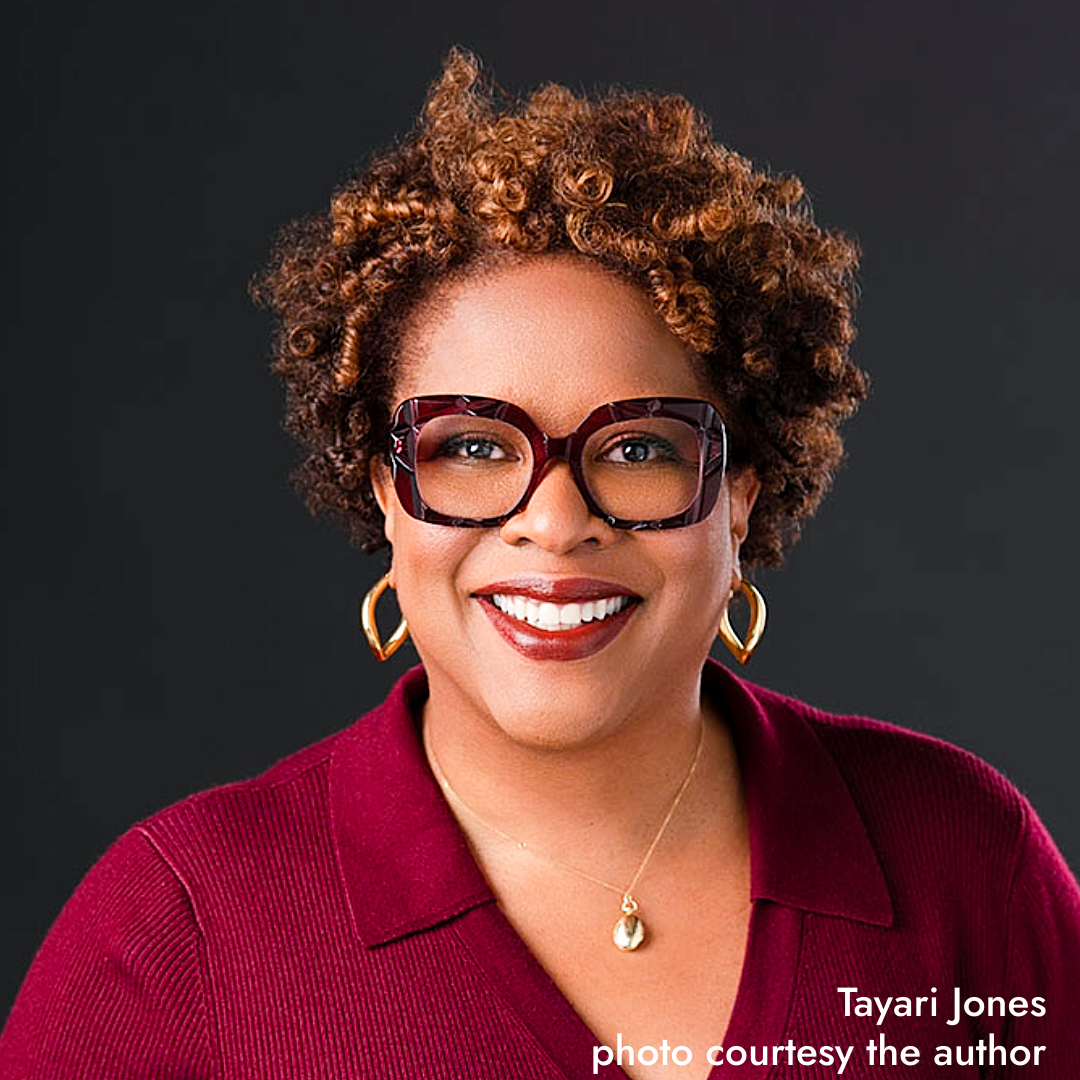 “There are only so many stories out there—people say seven—but for me, the question is always: what is the question I want to ask?…In Kin, the question I was interested in interrogating is the idea of searching for one’s mother. The classic story tells us, of course you search for your mother. If someone says, I don’t know where my mother is, we frame it as a brave quest to find her. But I wanted to question that impulse. Is it always better to know? Is it okay not to know? Can we learn to be satisfied with not knowing? In real life, people can be satisfied with what they have. In real life, you can marry someone who isn’t the person you once dreamed of and still have a good life. In a story, that’s often treated as an unpardonable compromise. I’m trying to bring into story life the wisdom we already know from real life.”
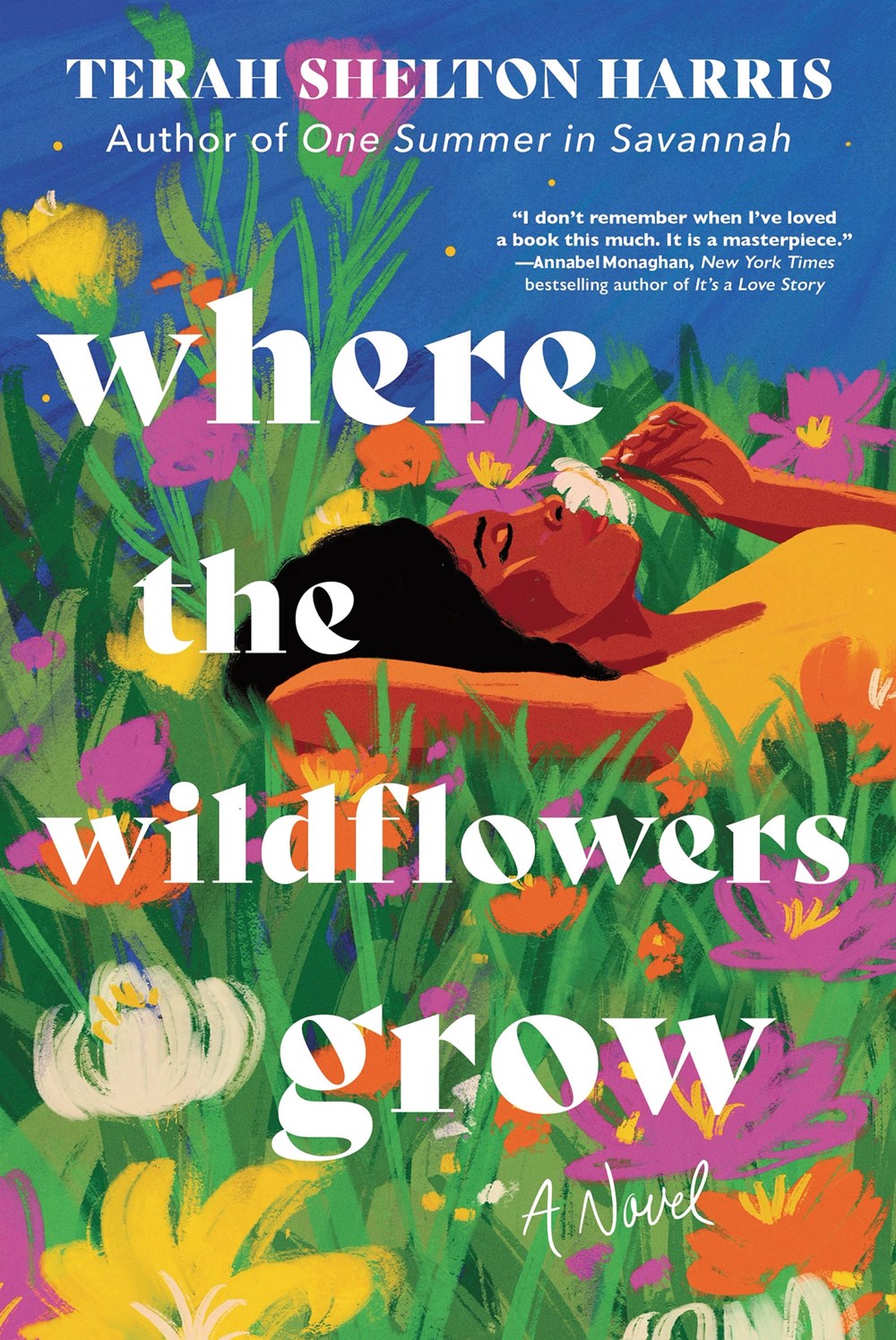

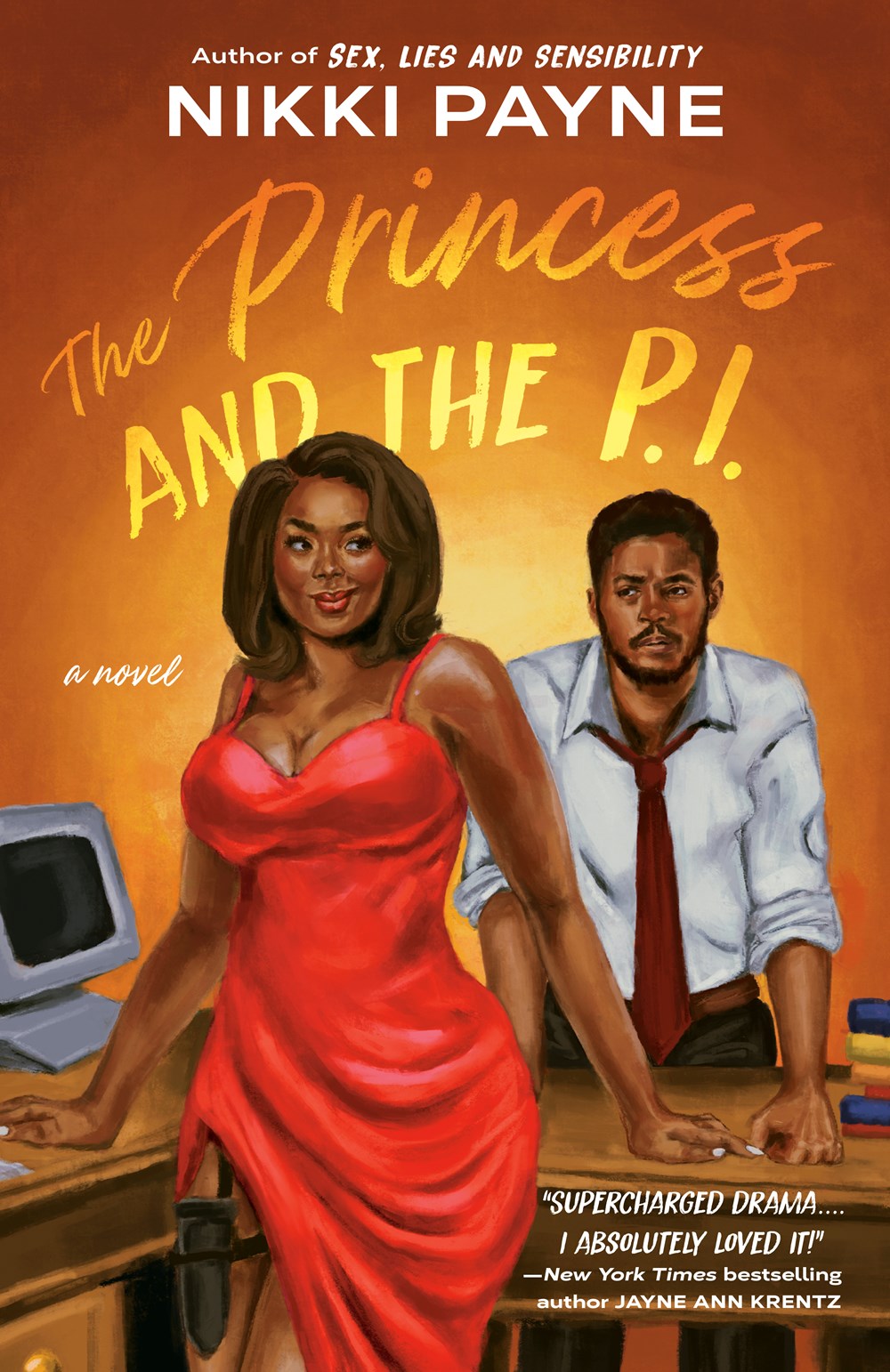

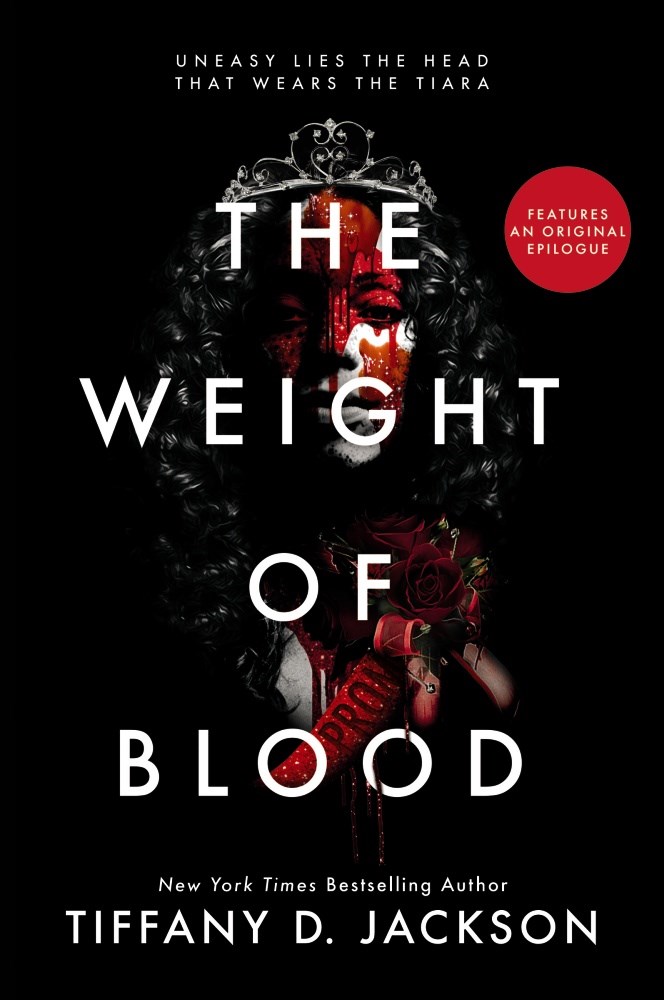


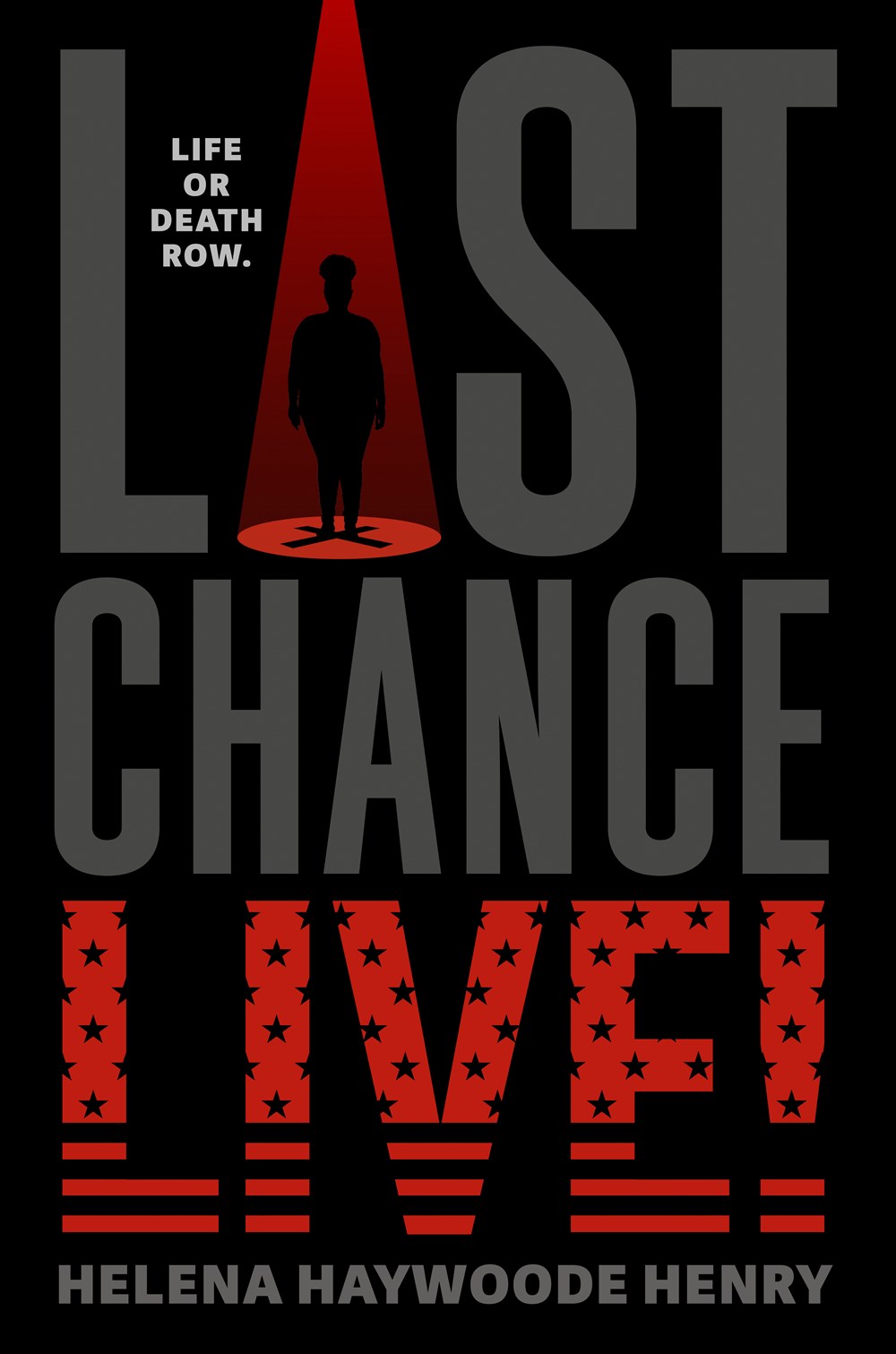
 Last Chance LIVE’s premise was inspired by real-world death penalty reform efforts to raise the minimum age for capital punishment. Last Chance LIVE’s protagonist, Eternity Price, was inspired by a little girl I met during my undergraduate years at the University of Pennsylvania. While at Penn, I volunteered in Head Start classrooms in a West Philadelphia public school, and met a fouryear-old girl whose vivacious spirit deeply impacted me. I spent years contemplating how she was growing up in an impoverished neighborhood right next to an Ivy League university, but she would likely be unable to access most of its privileges and resources—and the trajectory of her life would likely be very different than the lives of most Penn students. To my knowledge, that little girl has not experienced or done anything like what Eternity has, but she and Eternity both grew up in the shadow of power and privilege. My hope for this young girl, and all children, is that they have what Eternity never did—confidence in who they are and what they are worth, and a community that reinforces this truth. I hope seeing America’s reflection in Last Chance LIVE! helps us ascribe more value to these children, and less value to “great television.”