Book Buzz: Lion’s Run by Sara Pennypacker

 “When I learned about the Lebensborn, many years ago, I had a hard time believing this could be true. When I was able to confirm it, I was deeply appalled and knew I had to write about it. And I felt a book about this subject could only be for adults…the strong feelings I had about the Lebensborn never left me. Even back then, I felt girls should know about this terrible aspect of that war…It wasn’t until I learned, later, that children as young as 11 were working as couriers for the Resistance that the first seed for The Lions’ Run was planted. I began to wonder if those 11-year-olds were aware of how courageous they were. I think a lot about courage in kids; they are often confused about what it means to be brave.”
― Sara Pennypacker, Interview, Publisher’s Weekly

What booksellers are saying about Lion’s Run
- There are so many ways to be brave. In a Nazi occupied village full of secrets and fear, Lucas discovers his own way to be a hero. I loved this exciting story of how to be a friend in time when fighting for freedom comes with a high cost.
― Susan, M Judson, Booksellers, Greenville, South Carolina | BUY
- In this story of World War II and the French Resistance, a gentle boy is driven by his conscience fo join the resistance, which culminates in an impulsive act that threatens his life, but could save another. Lucas is a quiet hero. An excellent story of courage and friendship in the face of danger
― Amy, The Snail on the Wall, Huntsville, Alabama | BUY
- In 1944 German occupied France, Lucas, an orphan, contemplates the meaning of bravery, even as he rescues kittens, helps a local girl hide her racehorse from the Germans, joins the Resistance, and begins to hatch a daring plan to rescue a baby from the Nazi run Lebensborn maternity home. A great read!
― Mary, The Little Bookshop, Midlothian, Virginia | BUY
- A beautiful tale of an orphaned boy who must choose between a world of safety and what he’s known and doing what is ultimately right. This book had me completely in pieces at the end with tears streaming down my face. A wonderful story of bravery, love, empathy, and fighting for what is right.
― Shree, Hills & Hamlets Bookshop, Chattahoochee Hills, Georgia | BUY
About Sara Pennypacker
| Sara Pennypacker is the author of the New York Times bestselling Pax and Pax, Journey Home; the award-winning Clementine series and its spinoff series, Waylon; and the acclaimed novels Summer of the Gypsy Moths, Here in the Real World, and Leeva at Last. She divides her time between Cape Cod and Southern California. You can visit her online at sarapennypacker.com |

Book Buzz: Lion’s Run by Sara Pennypacker Read More »



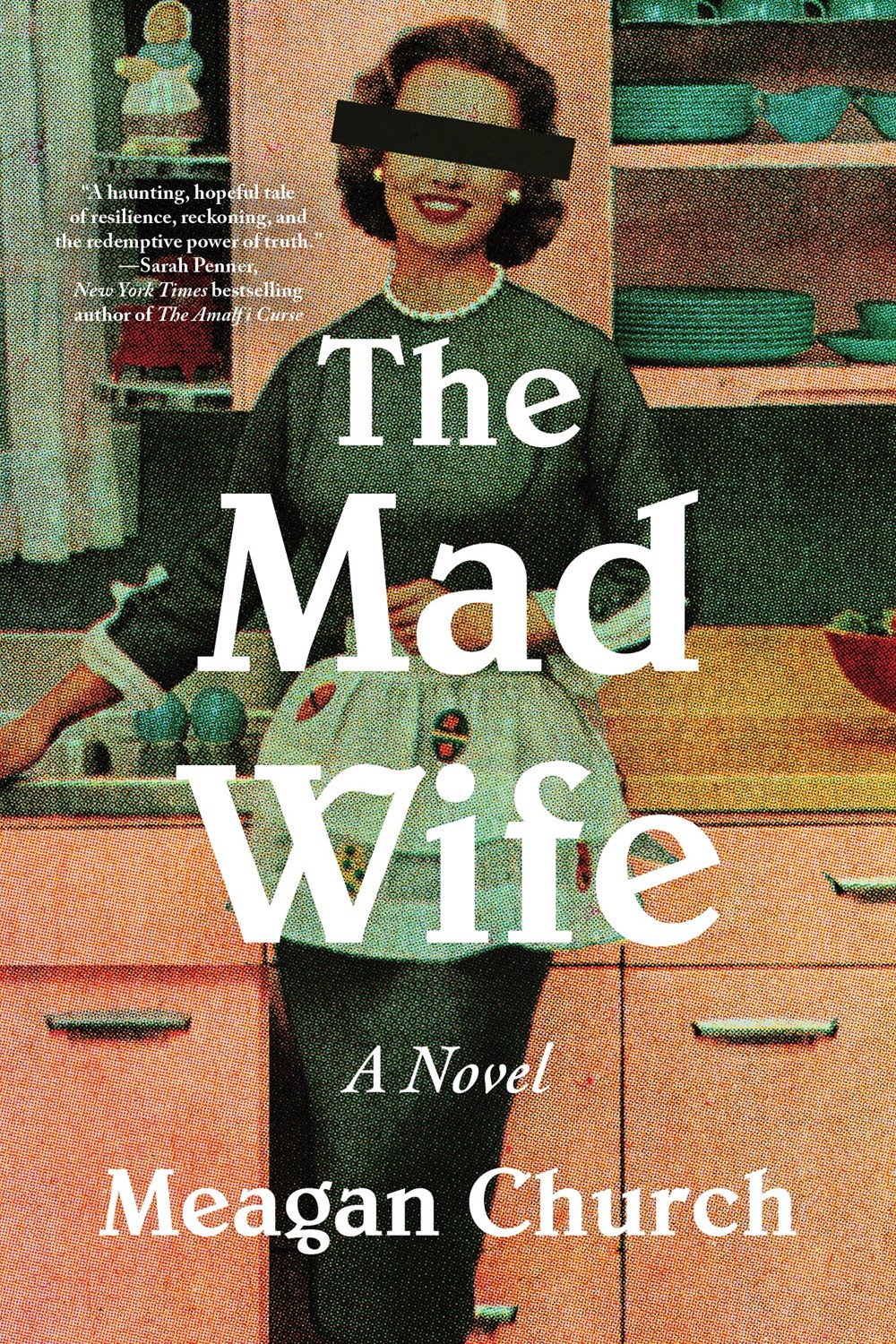
 “My dad never spoke much about his family growing up. I knew some basics. He had grown up in Hawaii. His Aunt Ruth lived in New York, and his parents had passed. So when he called me and said Aunt Ruth wants to meet you, do you want to go meet her? I was like, so excited. This was like finally a step into my father’s past. We drove to Charleston and went and met my Aunt Ruth and we walked in and she was just this sweet little old lady. We sat and had a great conversation. I was really enjoying getting to know her. And on the coffee table next to where she was sitting, I noticed this wedding picture, and I looked at it. And I’m like, Oh, are those my grandparents? And she nodded, Yes. And I was like, Can you tell me something about them? My father never speaks of them. And she just sat there and didn’t respond. [I asked] Can you tell me anything? How did they meet, when did they get married? And she cut me off and she said, You have a good life. Don’t ruin it with the past.”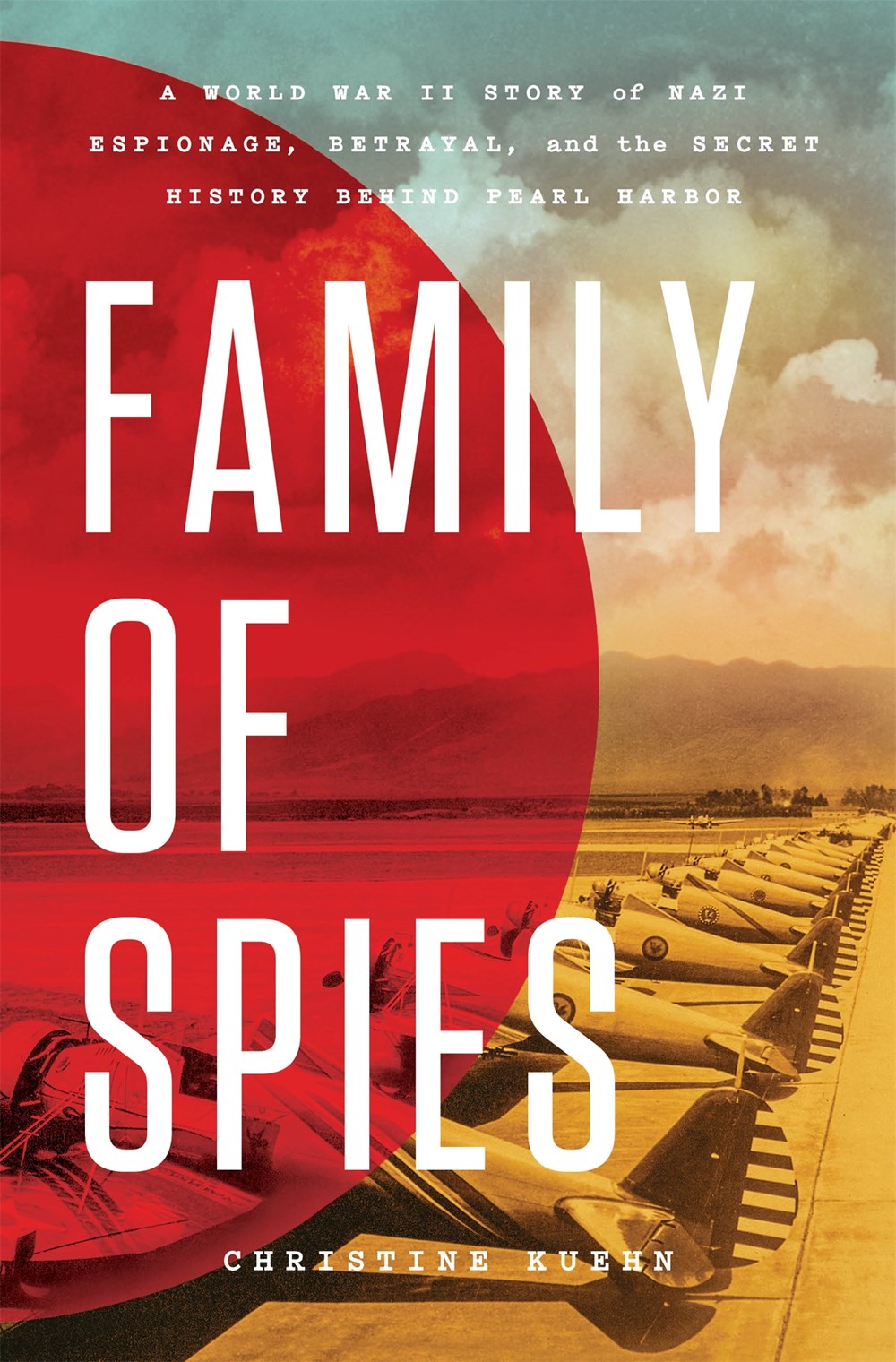


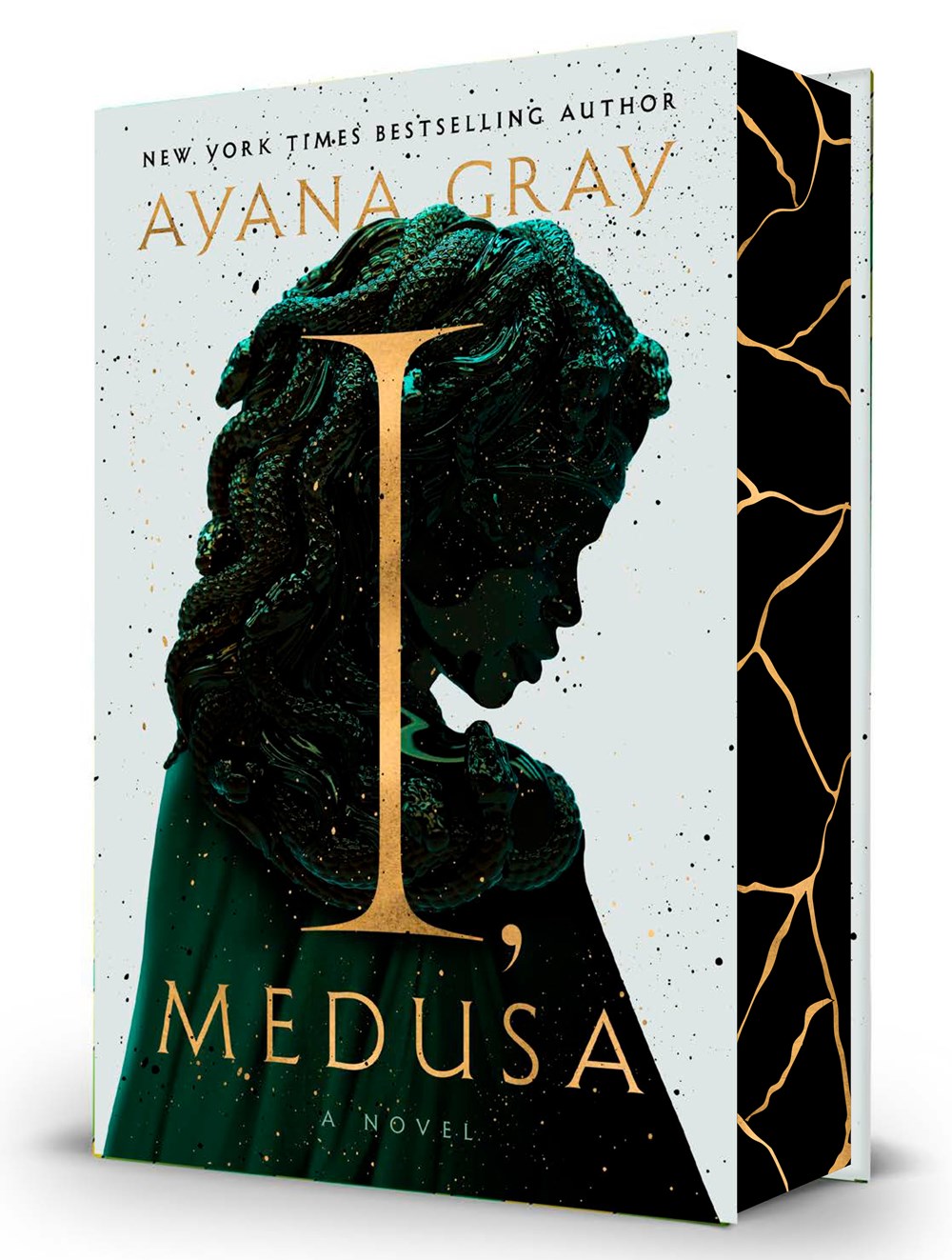

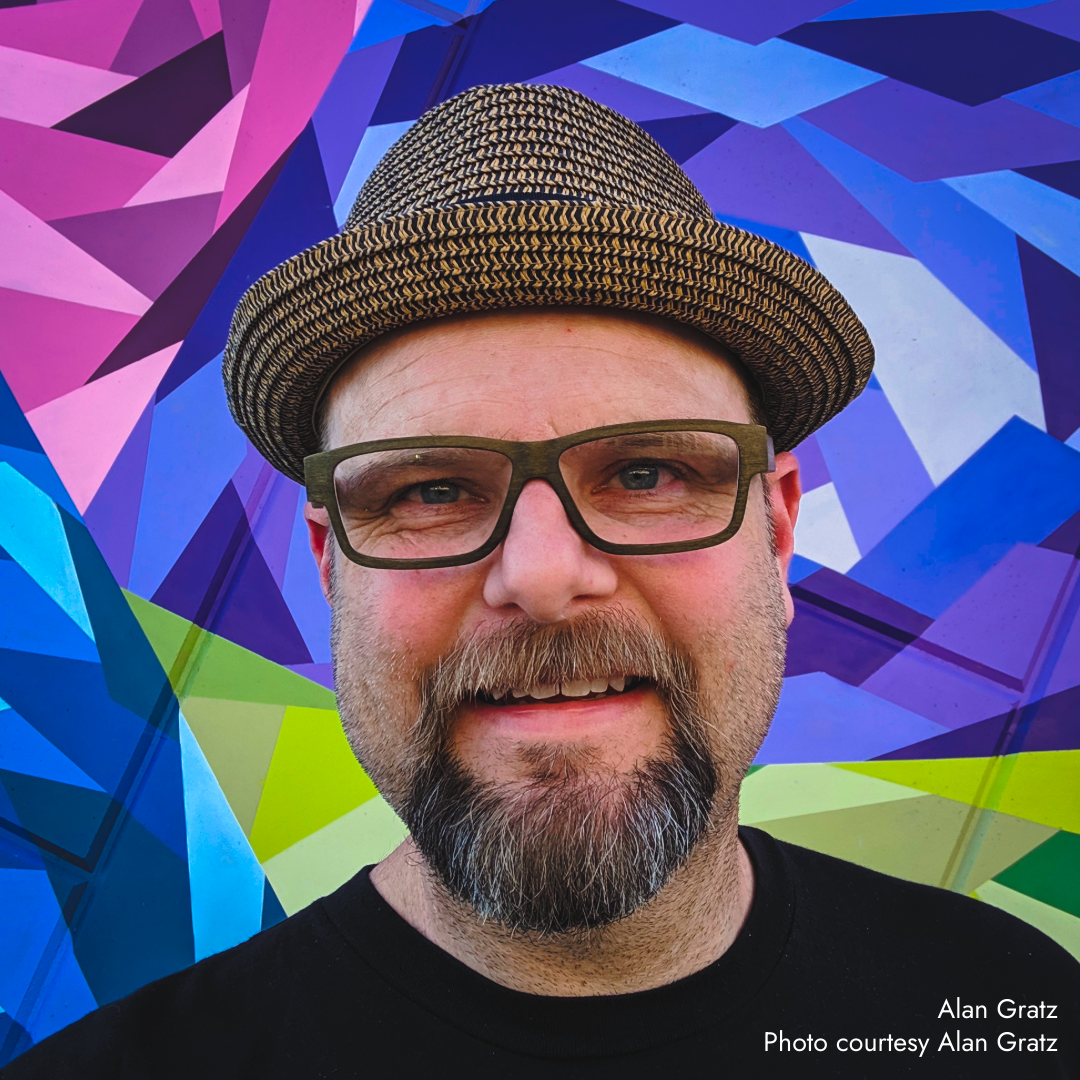 Those three years of sixth, seventh, and eighth grade are a time of learning who you are as a person. They’re still kids. They play kickball, pull pranks on each other. But they’re also having their first serious relationships, starting to drink or experiment with drugs, questioning their place in the larger world….I want to teach empathy. I want people to understand the viewpoints of others, and that we are better together than apart. I wouldn’t have been able to tell you that 10 years ago. It took me writing a few books—and coming to that theme every time, naturally, as a writer—to understand.

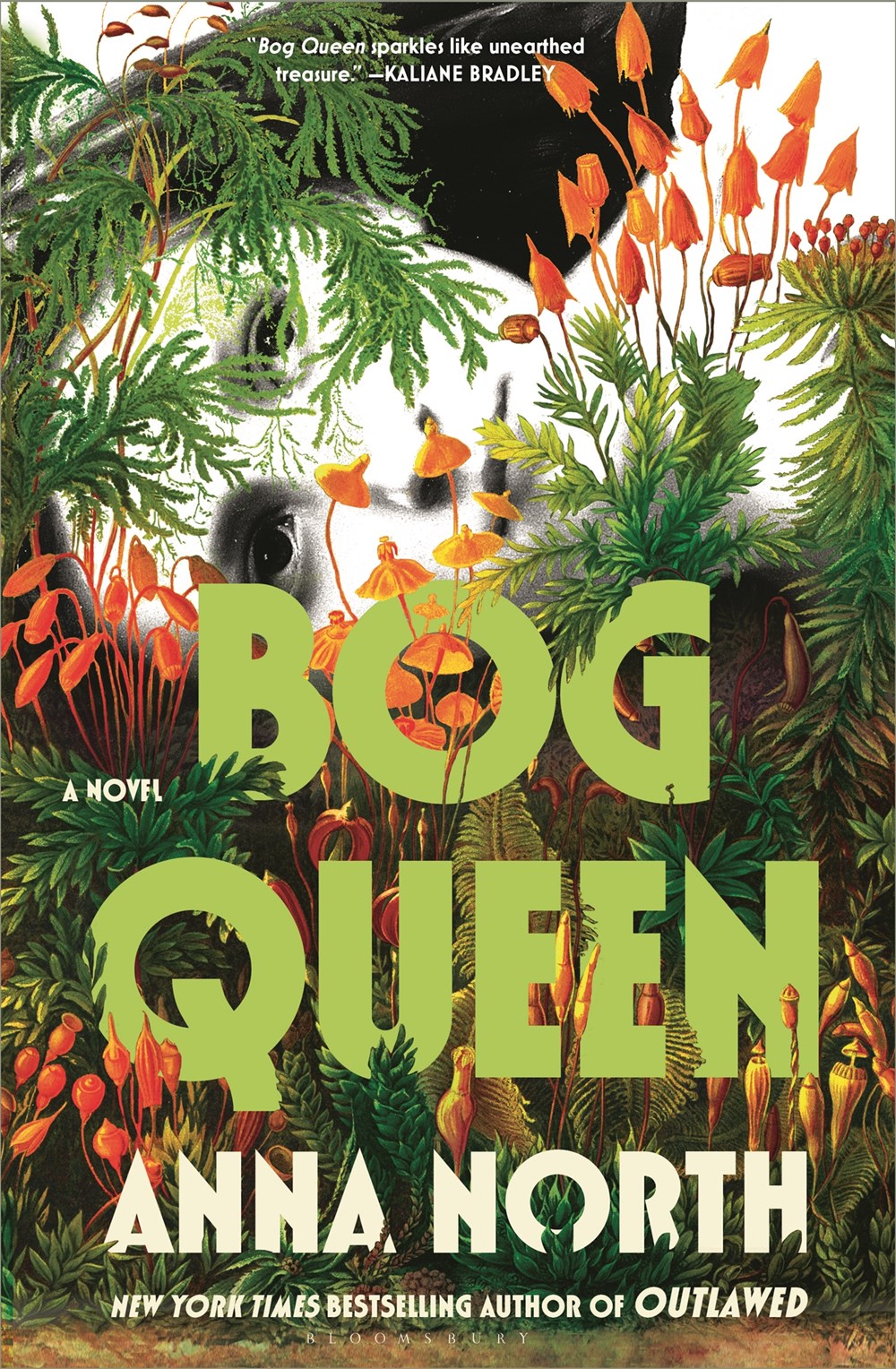

 I first saw a bog body in the British Museum, and I just thought, How amazing. This is a real person who lived and breathed 1000s of years ago, and I can still see him, and we can learn so much about him and his life, from his body and from studying him. And his people buried him in this place where I think they knew that he would be preserved, and I can imagine them, you know, hoping that maybe we would understand them. One day, I visited the bog where he was found. I really learned so much from that landscape, which today is quite degraded from its former state, but it’s still breathtaking to see, and there are spots of real biodiversity that could come back if protected properly. So I really got obsessed with bogs themselves and with the moss that creates the bogs, and the way it can operate as a colony, not as a single organism. And I really wanted in this book to talk about the non human world. I think that people tend to think that we always drive events on the earth, but there are many other organisms here that have huge impact on us, in our lives, and I really wanted to share that too.