Book Buzz: The River is Waiting by Wally Lamb

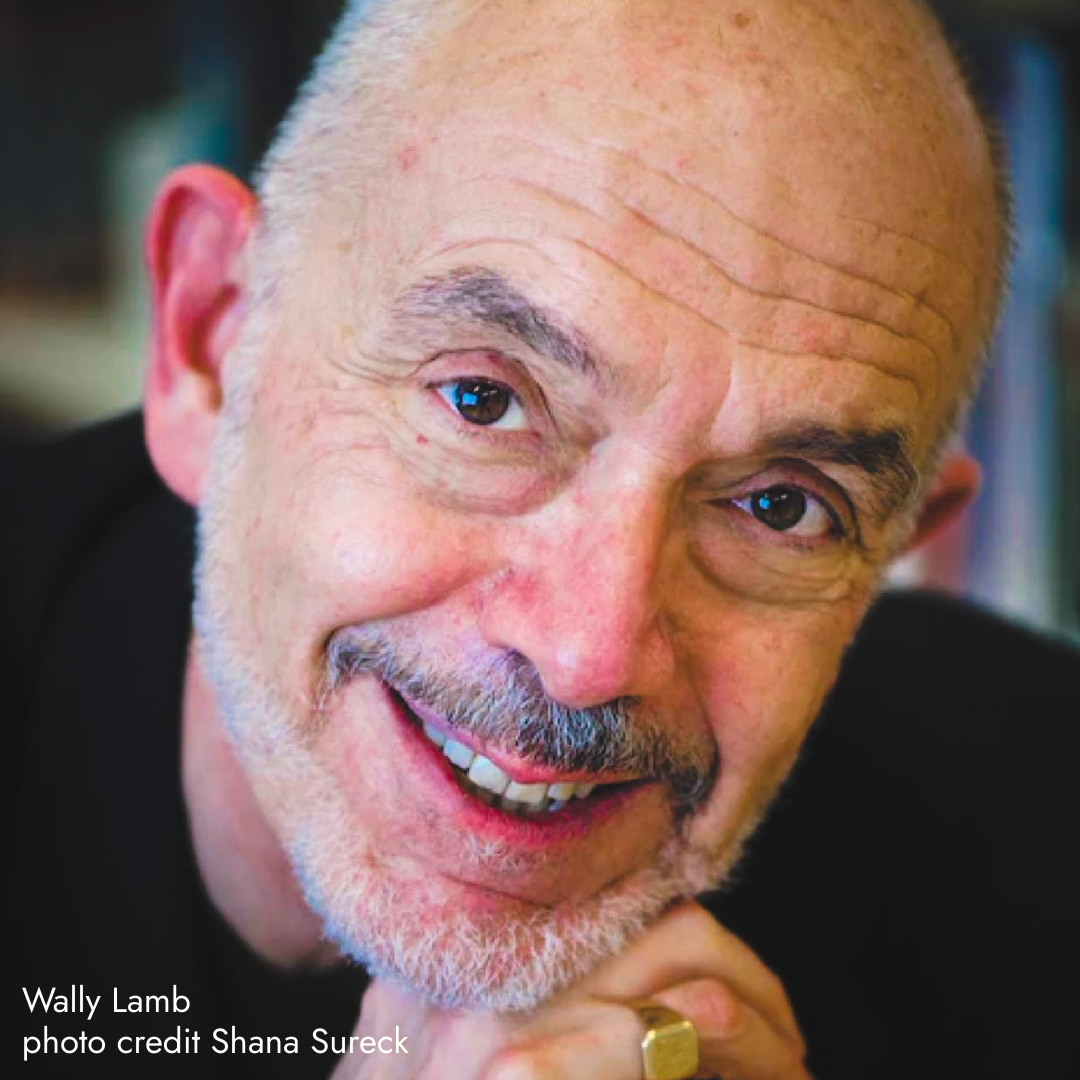 There’s a part in the novel when [the protagonist] Corby says he thinks that women are just stronger than men because it’s women who come and visit the prisoners. Whether they are grandmothers who are taking care of the kids and wearing their convalescent home pinafores, girlfriends, or so forth—it’s women who show up. That was my experience when I would go to visit our son. Often, I’d be one of the few men who went into the visiting room; usually, it was another father. And sometimes I would be the only guy in the visiting room. I don’t think it’s because men are necessarily cold. They don’t necessarily detach from loved ones who are male. I think so many of men’s problems come down to fear. It’s not that women don’t live with fear, but that they can more easily voice that fear.
― Wally Lamb, Interview, Oprah Daily

What booksellers are saying about The River is Waiting
- The gut punch near the end of this book is almost visceral, even when your suspicions have been aroused, as the story progresses. How can so much love among people lead to so much tragedy? Earned redemption is not guaranteed. Lamb’s slow burn sets the perfect tone for this pre-Pandemic family story.
― Doloris Vest, Book No Further in Roanoke, Virginia | BUY
- Wally Lamb ripped my heart out early on — and then did it again and again. This novel is layered and intense, exploring addiction, prison, and the fallout from one devastating choice. I couldn’t stop reading—I had to know how Corby and his family could survive the wreckage of what he did. Heart-wrenching and unforgettable.
― Serena Wyckoff, Copperfish Books in Punta Gorda, Florida | BUY
- I haven’t stopped thinking about this book, and I finished it more than a week ago. It is a propulsive story about choices, forgiveness, justice, and fairness. There is so much to consider and discuss. A fantastic read for anyone, but this one is a great choice for a book club willing to delve into complicated issues.
― Christina Tabereaux, The Snail on the Wall in Huntsville, Alabama | BUY
- Wally Lamb has written another masterpiece! Authentic and moving, this book hits at the bone of mass incarceration and the stigma of addiction. Hope and friendship abide, however, and the reader is left to ponder grief and guilt, innocence and forgiveness.
― Caylee Wilson, Midtown Reader in Tallahassee, Florida | BUY
About Wally Lamb
Wally Lamb is the author of six New York Times bestselling novels: I’ll Take You There, We Are Water, Wishin’ and Hopin’, The Hour I First Believed, I Know This Much Is True, and She’s Come Undone. Lamb also edited Couldn’t Keep It to Myself and I’ll Fly Away, two volumes of essays from students in his writing workshop at York Correctional Institution, a women’s prison in Connecticut, where he was a volunteer facilitator for twenty years. Lamb lives in Connecticut with his wife, Christine, and they have three sons..

Book Buzz: The River is Waiting by Wally Lamb Read More »



 I could spend years in a cookbook shop and never get bored. Where do I begin? I love the weirdness of cookbooks; how they capture the larger culture of a specific time-period and tell the tale through the prism of food. Take, for example, one of my cookbook treasures: The Lifestyles of the Rich and Famous Cookbook by Robin Leach. It’s a time capsule of the eighties — glass block, Dynasty-style hairdos, Brooke Shields — and the food is as awful as the fashion. Or another favorite: A Treasury of Great Recipes by Vincent and Mary Price, a collection of all the menus that the famous horror maestro and his wife collected over their world travels in the ‘40s and ‘50s and the meals that they hosted for their friends in their exquisite Hollywood home. If I could jump into the pages of a cookbook, it might be that one.


 Food has always been an obsession of mine, but I had never written it really into my fiction, aside from, occasionally describing what somebody was eating, describing a flavor somebody remembered. But this was the first time where, I think years of reading cookbooks, of watching cooking shows, of watching my parents cook, of cooking myself, and experiencing different flavors and different cuisines, and being really tuned into that…I think this was when all of that sort of manifested. This was my first try at writing something that felt like eating. And there were even moments where I would try to eat the foods that I was describing to get the mouth feel right…I completely invented recipes for for several of the dishes in Aftertaste that wind up being these sort of spiritual connections that can bring a spirit back. And in some cases, I would attempt to make the flavors, but in most cases, I just knew in my head what it would taste like from from just experiencing cooking and experiencing flavors. I would use that sort of intuition, also paired with what that character needed at the time. So I think one of the things in Aftertaste that happens is that the food is never just the food. The food is really evocative of a particular flavor of memory. So is it they’re sweet? Is it? Is it something that really disturbs the spirit that’s trying to come back? Is it something warm? Is it something that they’re excited to taste again? Is it a recollection that buoys them, or is it something that crushes them?


 I have had relationships with humans, but I’ve also loved a lot of people in stories. I’ve been told by my doctor not to talk about this too much, but ever since I was a child, I’ve had 30 or 40 imaginary friends who live on a different star or planet with whom I have shared love and sexual experiences. ……Some say that the worlds I write about are dystopian, but a lot of people think that actually reality is worse… I’ve often felt love, obsession, desire, friendship, a kind of faith, or almost a prayer-like relationship with these men – and they’ve always been men, so it’s a heterosexual relationship – who live inside stories. With Vanishing World I was trying to create a place where it might be easier for people who find it difficult to live in this world.