Book Buzz: Beth is Dead by Katie Bernet

 “I really enjoyed writing from Beth’s perspective. When I first read Little Women, I didn’t much like Beth. Honestly, she freaked me out. I couldn’t understand how she could accept her own untimely end with such ease. I wanted to shake her and say, “Aren’t you going to fight? Don’t you want to live?” Of course, she did. Writing Beth Is Dead helped me understand that Beth March never wanted to die, but she wasn’t given a choice, and she faced the unimaginable with bravery and strength..”
― Katie Bernet, Interview, Nerd Daily

What booksellers are saying about Beth is Dead
- Fantastic update to the classic story of Little Women – with modern sisters searching for Beth’s killer (which definitely wasn’t natural causes this time around). Great debut, excited to see what Katie Bernet does next.
― Alissa, South Main Book Company in Salisbury, North Carolina | BUY
- This is one of the most creative classic-book retellings I’ve read in a long time! It proves that these characters stand the test of time, because Jo, Beth, Meg, and Amy adapt perfectly to a contemporary setting that highlights the ups and downs of social media and sibling rivalries…But the real interest of this novel, and the topic I’m still thinking about, is the idea of storytelling, and who gets to tell a family’s story.
― Lady, The Snail on the Wall in Huntsville, Alabama | BUY
- Little Women is reimagined in a modern-day family and unfortunately, Beth is dead in chapter one. But who is responsible? Is it one of her famous sisters or someone else close to them? The answer unravels through twists and turns in this compelling novel.
― Rae Ann, Parnassus Books in Nashville, Tennessee | BUY
About Katie Bernet
Katie Bernet lives in Dallas, Texas. As one of three sisters, she’s a diehard fan of Little Women. Beth Is Dead is her debut novel.

Book Buzz: Beth is Dead by Katie Bernet Read More »




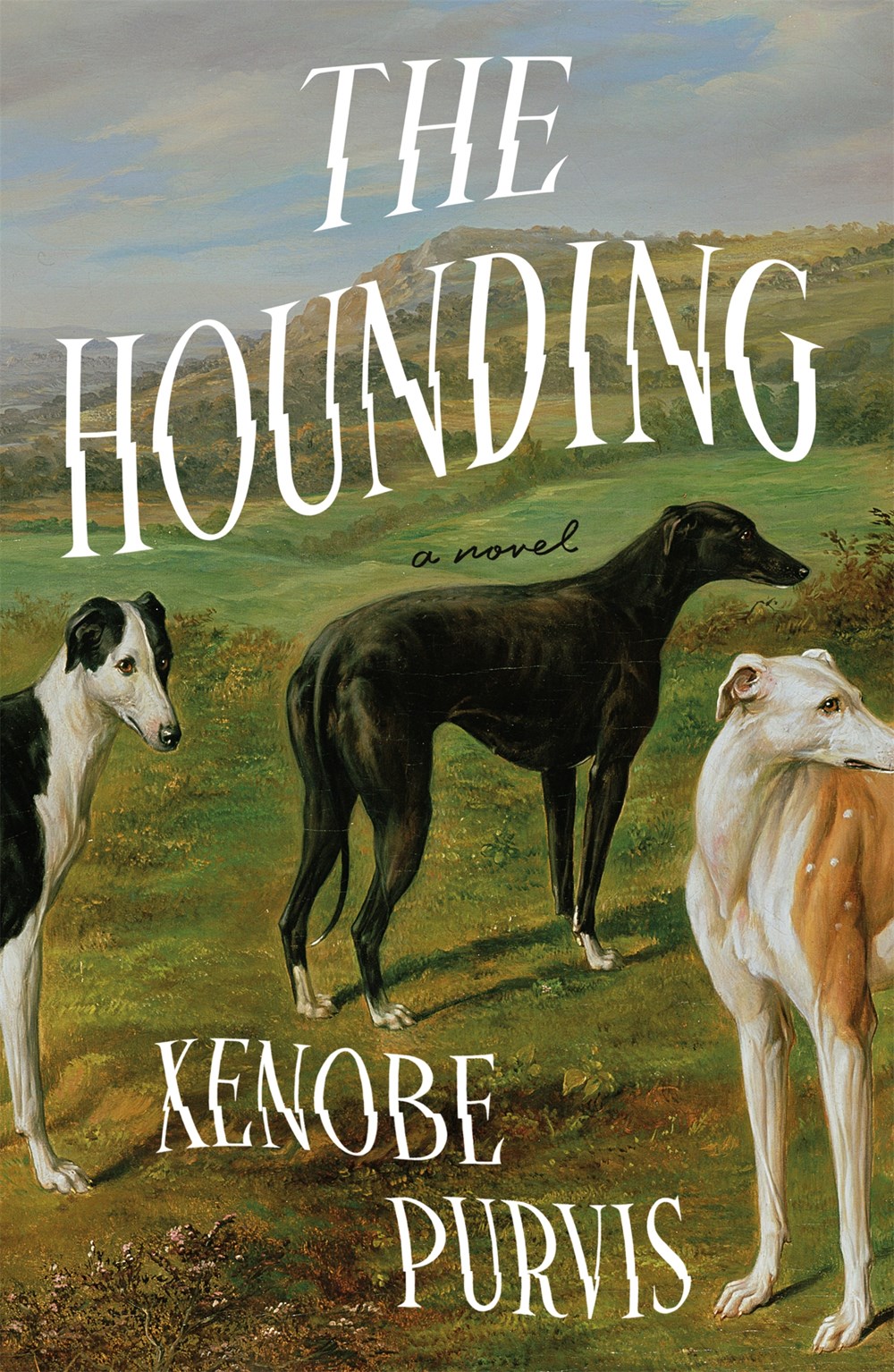
 There are many examples of this kind of thing throughout history. I was actually inspired by a specific historical event; I came across the true story of a village in Oxfordshire in the 1700s in which a great rumor was said to be spreading that five sisters had been “seized with frequent barking in the manner of dogs.” I was obviously fascinated to imagine how the girls’ community would have responded to their case, and how this rumor spreading might easily have become dangerous and even violent…I agree [that the] incredibly sinister aspect of Shirley Jackson’s work, the vilification of the mundane…is definitely terrain that The Hounding shares with Jackson’s stories. Like her, I’m very interested in thinking about the everyday awfulness of people, but I also wanted to try to understand even my most detestable characters. I really wanted to find a degree of sympathy for all of them in order to inhabit their thoughts and feelings.