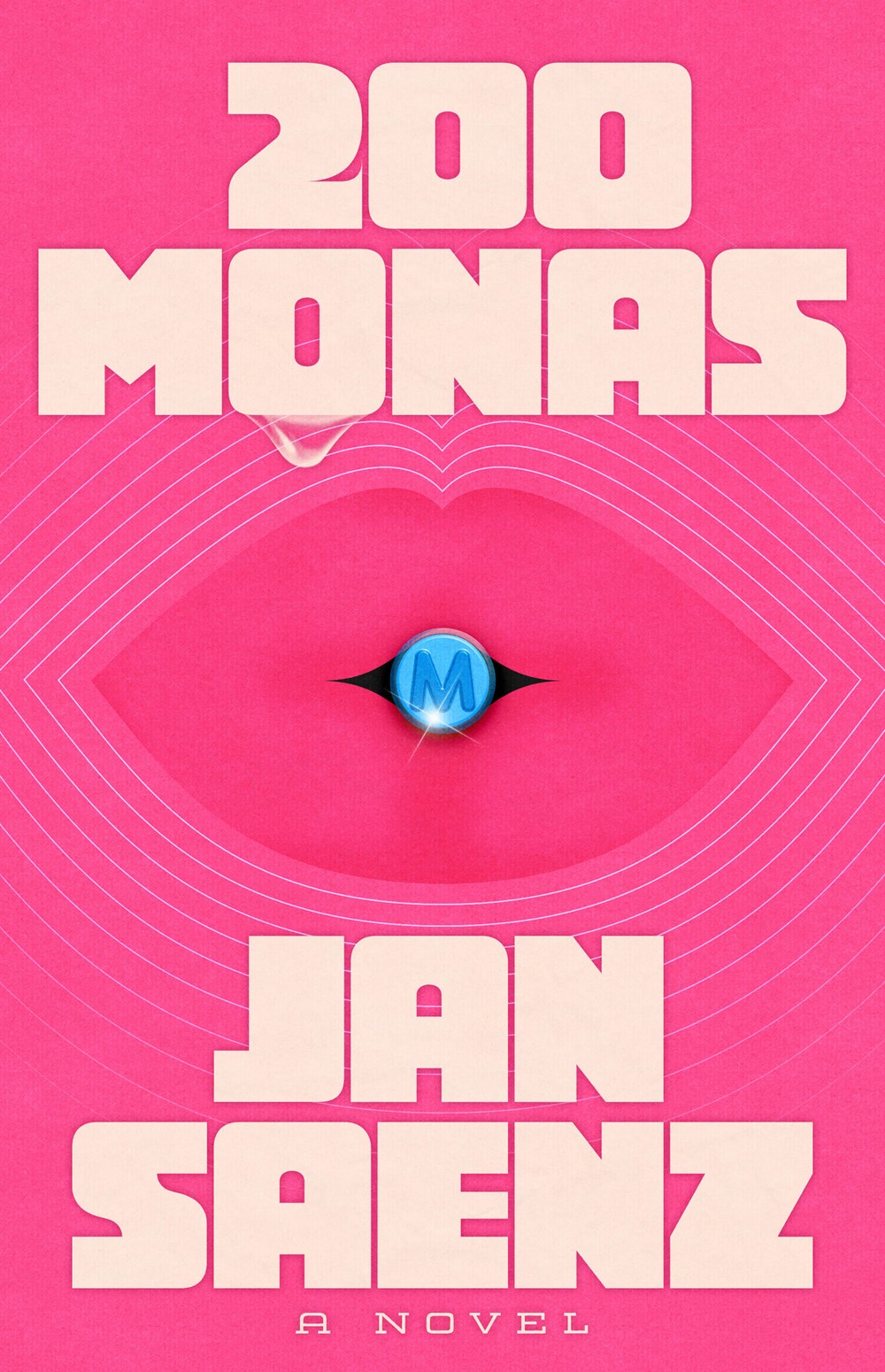
Book Buzz: 200 Monas by Jan Saenz

 “I am endlessly fascinated by sexuality—it’s almost embarrassing how much it shows in my published works. Similarly, I’m always exploring grief and the loss of innocence. Writing 200 Monas felt like a fun way to explore both simultaneously. The intersection between grief and sex somehow reminded me of being young, when the death of my father coincided with my spring awakening; I was always seeking refuge in romantic relationships, sexy films, and perverted conversations with my friends. I wanted to write something that captured that dichotomy in some way, this idea of being sad and horny at the same time.”
― Jan Saenz, Interview, Writers Digest
What booksellers are saying about 200 Monas
- After her mother dies, Arvy has 48 hours to sell the drugs she left behind or else she dies. A funny story about grief, sex, and drugs. I loved every aspect of this unhinged, drug-fueled adventure.
― Anna, The Underground Bookshop, Carrollton, Georgia | BUY
- Not totally marketed as horror but I definitely felt the dread. This book was sexy, uncomfortable, and skin-crawling in several ways. Will be a fun recommend for more adventurous readers
― Zack Sunda, Novel., Memphis, Tennessee | BUY
- Well THAT was a wild ride. I’m discovering that “unhinged feminist fiction” is a sub-genre that really resonates with me. And this was definitely unhinged.
― Kate Snyder, Plaid Elephant Books, Danville, Kentucky | BUY
- This was a fun read that is equally heartfelt as it was wild and sexy.
― Annastasia Williams, The Bottom, Knoxville, Tennessee | BUY
About Jan Saenz
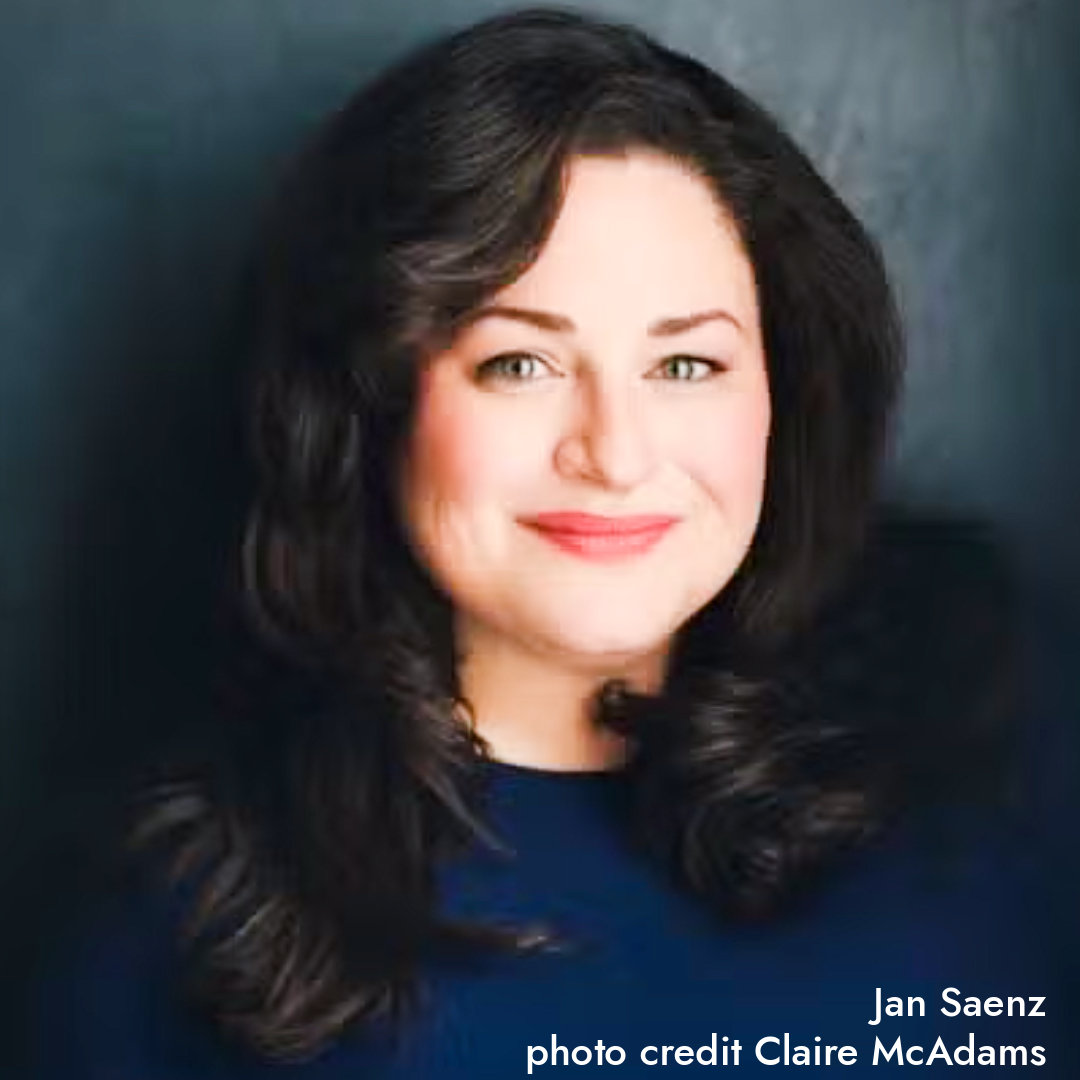
Jan Saenz is an author, poet, and educator who lives near Houston, Texas. 200 Monas is her debut novel.

Book Buzz: 200 Monas by Jan Saenz Read More »
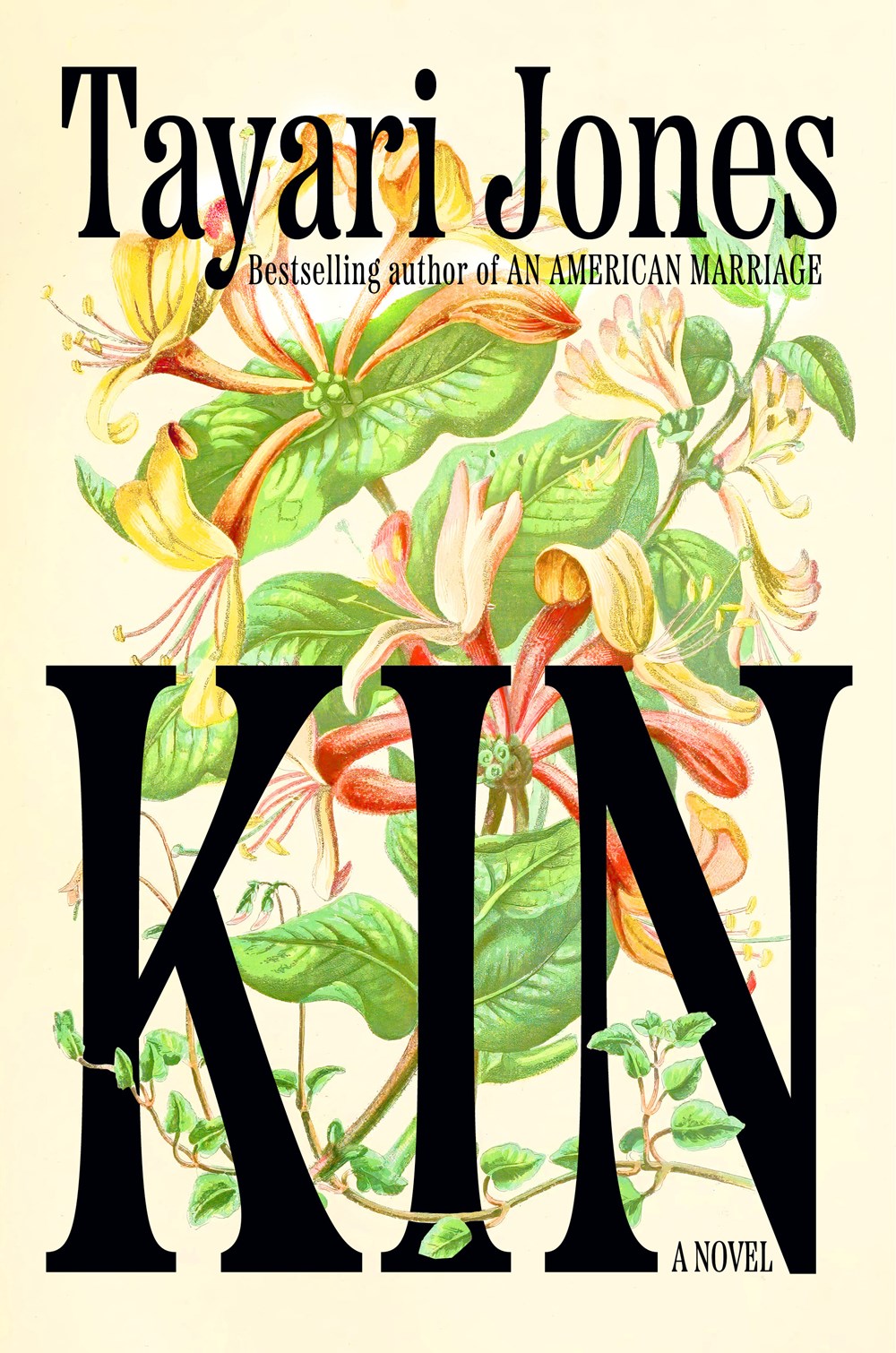

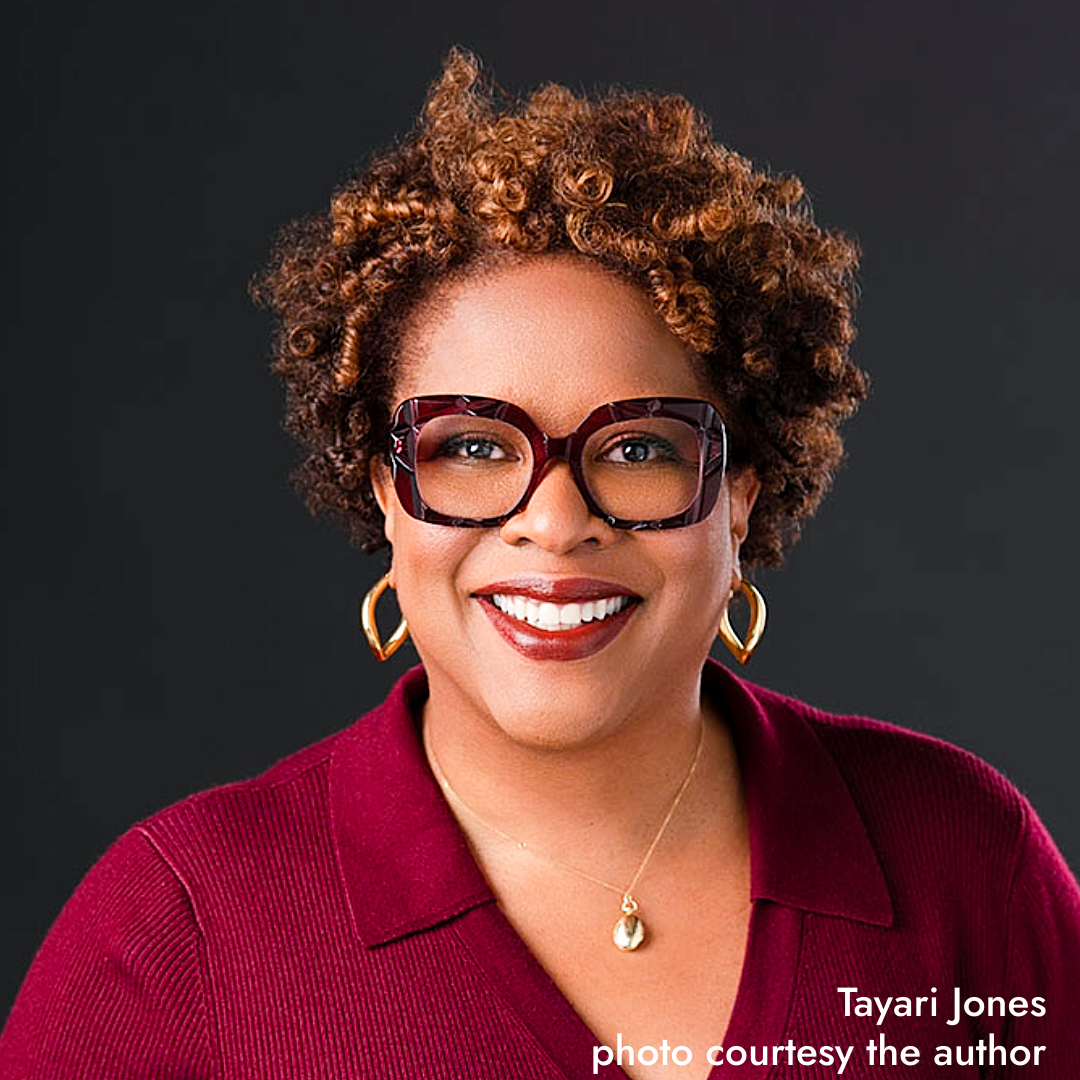 “There are only so many stories out there—people say seven—but for me, the question is always: what is the question I want to ask?…In Kin, the question I was interested in interrogating is the idea of searching for one’s mother. The classic story tells us, of course you search for your mother. If someone says, I don’t know where my mother is, we frame it as a brave quest to find her. But I wanted to question that impulse. Is it always better to know? Is it okay not to know? Can we learn to be satisfied with not knowing? In real life, people can be satisfied with what they have. In real life, you can marry someone who isn’t the person you once dreamed of and still have a good life. In a story, that’s often treated as an unpardonable compromise. I’m trying to bring into story life the wisdom we already know from real life.”