 “My dad never spoke much about his family growing up. I knew some basics. He had grown up in Hawaii. His Aunt Ruth lived in New York, and his parents had passed. So when he called me and said Aunt Ruth wants to meet you, do you want to go meet her? I was like, so excited. This was like finally a step into my father’s past. We drove to Charleston and went and met my Aunt Ruth and we walked in and she was just this sweet little old lady. We sat and had a great conversation. I was really enjoying getting to know her. And on the coffee table next to where she was sitting, I noticed this wedding picture, and I looked at it. And I’m like, Oh, are those my grandparents? And she nodded, Yes. And I was like, Can you tell me something about them? My father never speaks of them. And she just sat there and didn’t respond. [I asked] Can you tell me anything? How did they meet, when did they get married? And she cut me off and she said, You have a good life. Don’t ruin it with the past.”
― Christine Kuehn, Interview, WBUR.org Boston Public Radio
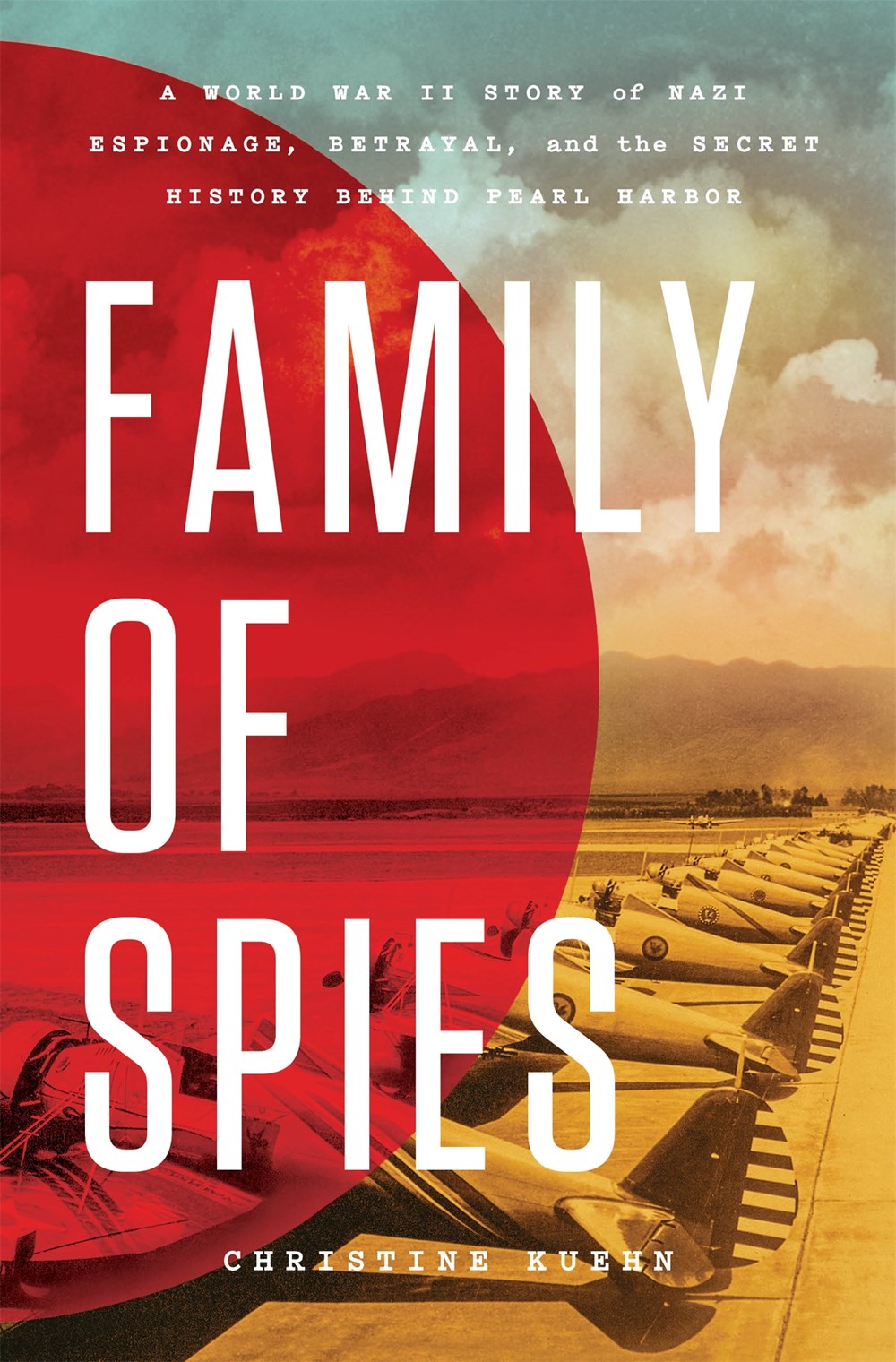
What booksellers are saying about Family of Spies
- Family of Spies is mind boggling!! I kept thinking how I would feel finding out these unbelievable and frightening secrets in my family’s past… whew… it made my heart pump harder and faster. And yes, I know it’s not a thriller novel, but it definitely could be. Highly recommended.
― Horton’s Books & Gifts in Carrollton , Georgia | BUY
-
Family of Spies is a compulsively readable true story about the German family who spied on Pearl Harbor for the Japanese before the attack and the after effects on their descendants. Author Christine Kuehn discovers the truth about her grandfather after being contacted by a screenwriter. That call led her down a long journey to discover the hidden past of her family, eventually leading her to write this fascinating story. Family of Spies is a very accessible story for anyone and I highly recommend it!
― Jennifer Jones, Bookmiser, Inc. Marietta, Georgia | BUY
-
I couldn’t put this book down! What do you do when you discover that your grandparents, aunt, and uncle were Nazis? This is a fascinating story about one family’s involvement with the Nazis and how they helped bring about the Japanese bombing of Pearl Harbor. I have a feeling this will be THE non-fiction book of the fall.
― Claire McWhorter, River & Hill Books in Rome, Georgia | BUY
-
Wow! So much is packed into under 300 pages. I can’t fathom how someone uncovers the secrets of their grandparents 50 years after some of the very darkest days in the history of our country. There are so many layers to this incredible story. Family, politics, and history make you ride a wave of emotion on every page. Failed espionage and greed factor heavily into the guilt the author understandably didn’t originally want to share. Hoping this never happens again.
― Suzanne Lucey, Page 158 Books in Wake Forest, North Carolina | BUY
About Christine Kuehn
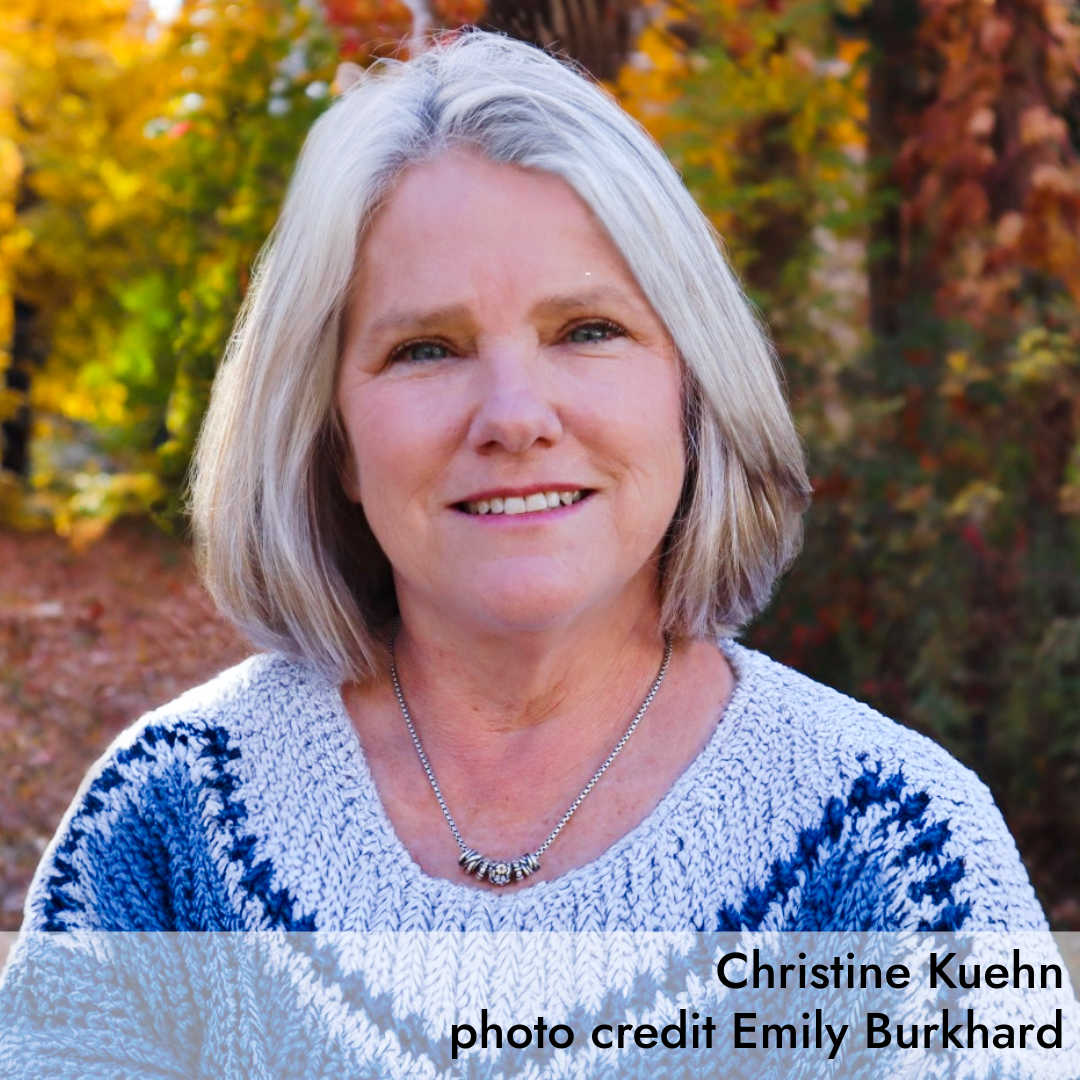
Christine Kuehn Schiponi was cocooned in the sanctity of a quiet suburban life when a letter from a historian in 1994 pierced that bubble, sending her on a 30 year quest to discover the truth behind a horrendous family secret kept hidden for half a century. Following a career in journalism, public relations, and non-profit, Christine now lives in Maryland with her husband close to their three grown children.