The City and Its Uncertain Walls by Haruki Murakami
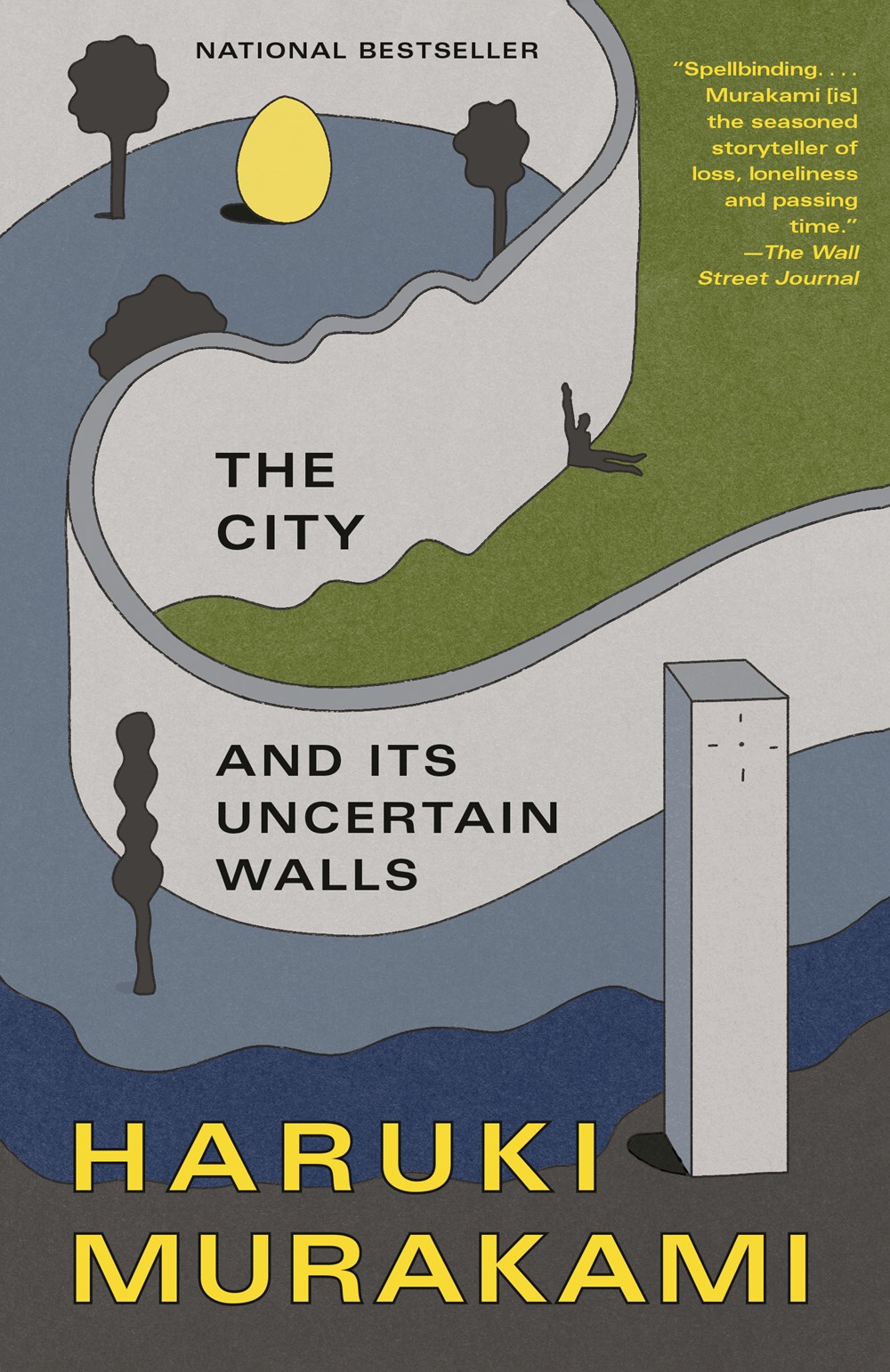
This novel is uber-Murakami, the author back to the magical best of his earlier novels such as Hardboiled Wonderland and the End of the World (note: this makes sense, as the author writes in an afterword that this novel was a second attempt at reworking a novella, the first attempt being Hardboiled Wonderland). You don’t read a Murakami novel; you live it, holding on for dear life until it lets you off at the end, slightly confused but highly entertained. A magical world slowly unravels through an unnamed girl, while everyday life interweaves with it, featuring all the traditional Murakami Bingo tropes (loneliness, high school, jazz, pasta recipes, The Beatles, wells, libraries, cats…all the greatest hits!) There were a few minor logical bugbears, but plot logic was never Murakami’s strong suit. The simplicity of his language has long been a feature, but lately has felt more like a bug at times, with the repetition of banal thoughts (‘it was just my conjecture, but I was sure of it’; I nodded vaguely’ etc.) – perhaps as one of my all-time favourite authors I have come to expect more, but it was still great to be back in Murakami world.
The City and Its Uncertain Walls by Haruki Murakami, (List Price: $19, Vintage, 9780593687840, November 2024)
Reviewed by Doron Klemer, Octavia Books in New Orleans, Louisiana
The City and Its Uncertain Walls by Haruki Murakami Read More »




 What I really enjoy about writing love stories is the little moments that feel just as important as the big love declarations. I think it’s the acts of service, the little thoughtful things that each character will do for the other. In each of my books, there’s a moment that I can narrow down to, of consideration and thoughtfulness in a physical, tangible way. The way that Bo [Out on a Limb] goes about splitting their expenses. It’s not a grand declaration of love, but it’s respect, and it’s an understanding and communication, and it’s showing somebody who is really capable of having awkward conversations when wanting to take care of somebody. And wanting to look after someone with respect in mind. Or like Caleb in Out of the Woods, when Sarah is upset because they’re going camping and they don’t have any electricity. She doesn’t bring her Kindle, but he brings it, and he buys her a solar charger. It’s this little way of like letting someone know that they’re seen and their past influences matter