I moved from Gwangju to Seoul in January 1980, at the age of nine with my family. It was just four months before the Gwanju uprising/massacre occurred. After a few years, there were photo books which were printed and circulated secretly to bear witness. I found one of the photo books on the bookshelf of my father, and it became sort of a defining experience in my life. If I were not that young, I would have been more aware of the political aspect. But I was just 12. The photo book contained numerous dead faces with deep wounds and after reaching the end of the photo book, I thought to myself, ‘Humans are scary’. I couldn’t find a way to accept that I am one of these ‘humans’.
However, there were also examples of human dignity and inexplicable strength in the photo book. For example, I saw the endless lines of ordinary people who wanted to donate blood for the wounded right after the mass shooting by the Martial Law army. It was like two unsolvable questions were imprinted on my mind:
How can humans be so violent?
What can humans do something to fight against that extreme violence?
― Han Kang, Interview, Banana Writers

What booksellers are saying about We Do Not Part
- Devastating, gorgeously written and translated. I will be thinking about this book, about Kyungha and Inseon, the snow and the trees, the birds Ama and Ami, and the generations of spirits brought to life in these painful, breathtaking pages. Reading Han Kang’s work feels like a precious honor, and in the incredible wake of her Nobel win, We Do Not Part is an astounding introduction for many new readers.
― Emily Tarr, Thank You Books in Birmingham, Alabama | BUY
- A story of friendship/loyalty/loss/war. A dream-like supernatural journey. The reader often wonders what is real and what is not. It is a horrific read (set amidst the genocide on the island of Jeju, Korea in 1948). I found there was almost too much to digest/make sense of while reading this book. But the writing is immersive and beautiful (which powered me through the pages).
― Sarah Goldstein, Old Town Books in Alexandria, Virginia | BUY
- Wow. Nobel laureate Han Kang’s latest work is just brilliant – a profound meditation on friendship and the impact of buried trauma. Kyungha – a writer, troubled by recurring nightmares following her most recent book about a historical massacre – is called on by her friend Inseon to go to her house to look after her pet bird while Inseon is in hospital. While there Kyungha discovers how intimately connected her friend’s family was to the massacre she’d written about. Blurring dream with reality – at once haunting and terrifyingly specific – We Do Not Part proves Han Kang’s Nobel win to be justly deserved.
― Jude Burke-Lewis, Square Books in Oxford, Mississippi | BUY
About Han Kang
Han Kang was born in 1970 in South Korea. She is the author of The Vegetarian, winner of the International Booker Prize, Human Acts, The White Book, and Greek Lessons. In 2024 she was awarded the Nobel Prize for Literature. e. yaewon is based in Korea and translates from and into Korean, including titles by Hwang Jungeun, Jessica Au, and Maggie Nelson. Paige Aniyah Morris divides her time between the United States and Korea. Recent translations include works by Pak Kyongni, Ji-min Lee, and Chang Kang-myoung.



 “I’ve moved a lot, including back and forth across the country three times! When I moved to the Washington, DC, area, I learned about luna moths—beautiful and short-lived moths who can only be found on the eastern side of the country. This helped me realize that there would be special and unique things about my new home. Since so many kids deal with the difficult experience of moving, I thought this might be the beginning of a new story idea.”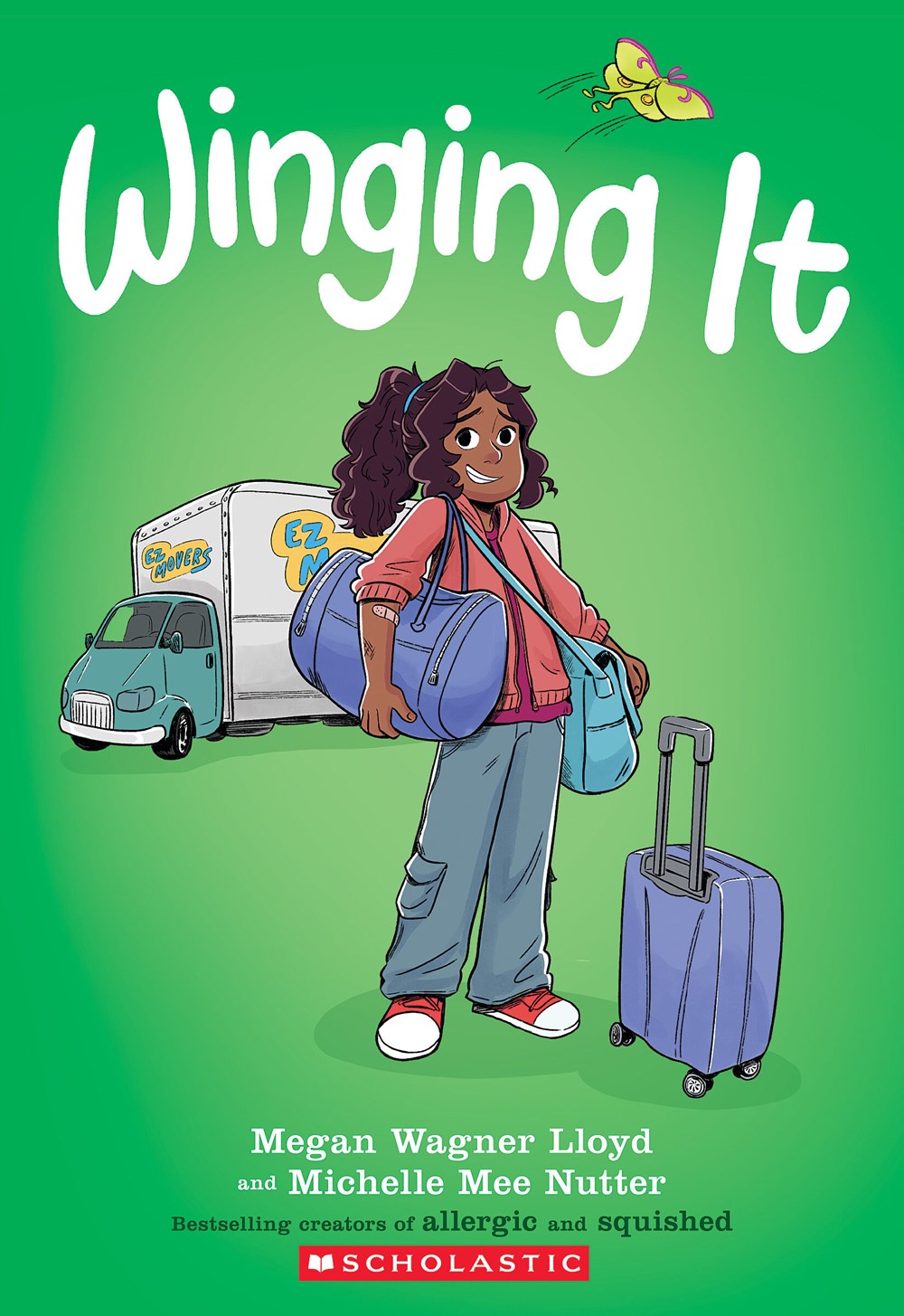



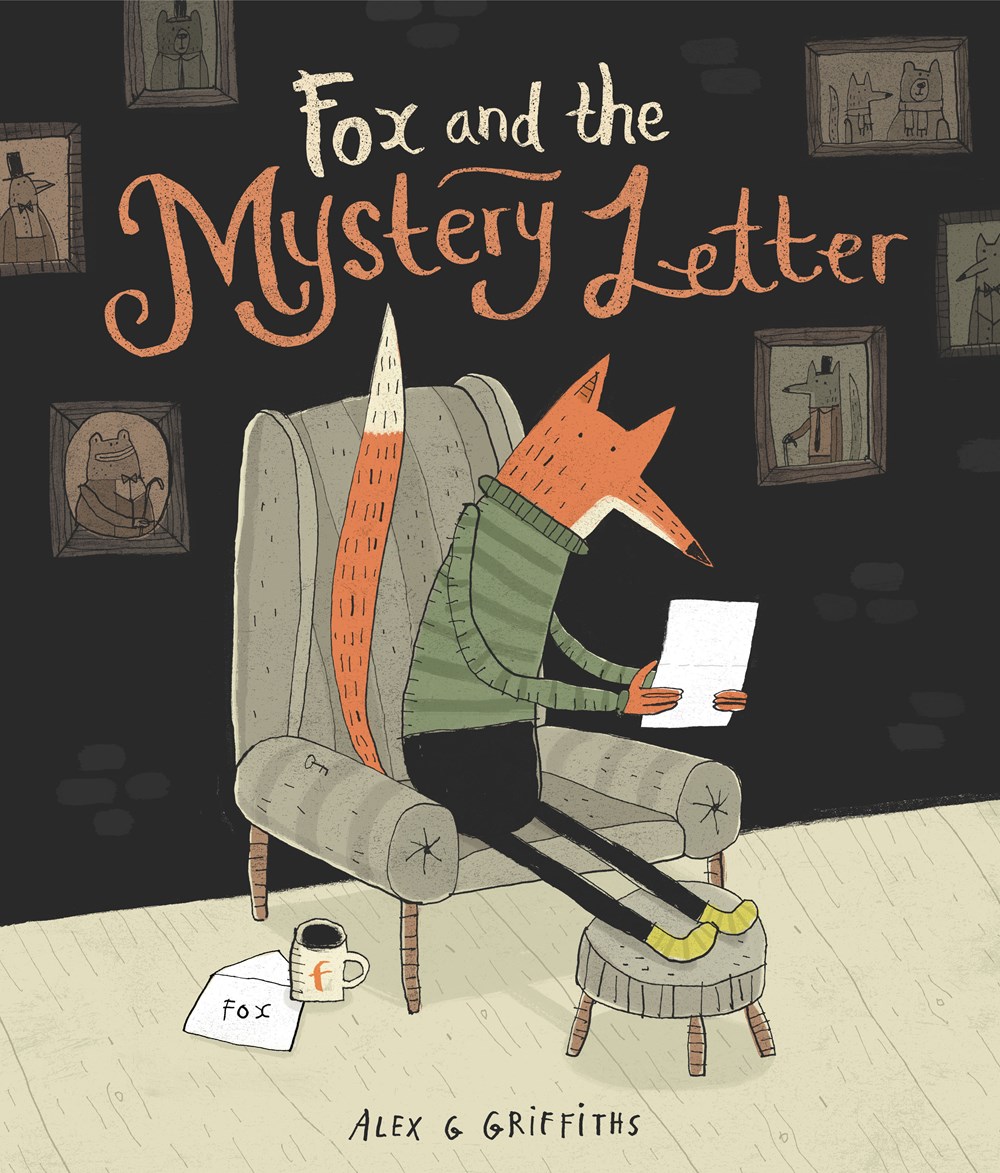

 When it comes to emotionality in the book, I wanted to portray how — this goes along with the ambiguity — multiple contradictory feelings can exist simultaneously within one person, and how our feelings may change over the day, over an hour, and over a year and a lifetime. Even the simplest things can be the hardest to say. For example, Bo really wants to tell Hans how proud he is. He tries to say it throughout the whole book. It was super frustrating to write. “Come on, Bo! You can do it!” It’s a simple and good emotion, right? You think that it should be easy, but a lifetime of normative training combined with the recurring conflicting aspects of the relationship get in the way. And in this sense, I was very inspired by my own father and grandfather. My grandfather told me how proud he was of my father and how well he’d done in life and so on, but he couldn’t tell my father that. But of course I did, and it made my dad happy. But there’s something that makes certain feelings really hard to express.


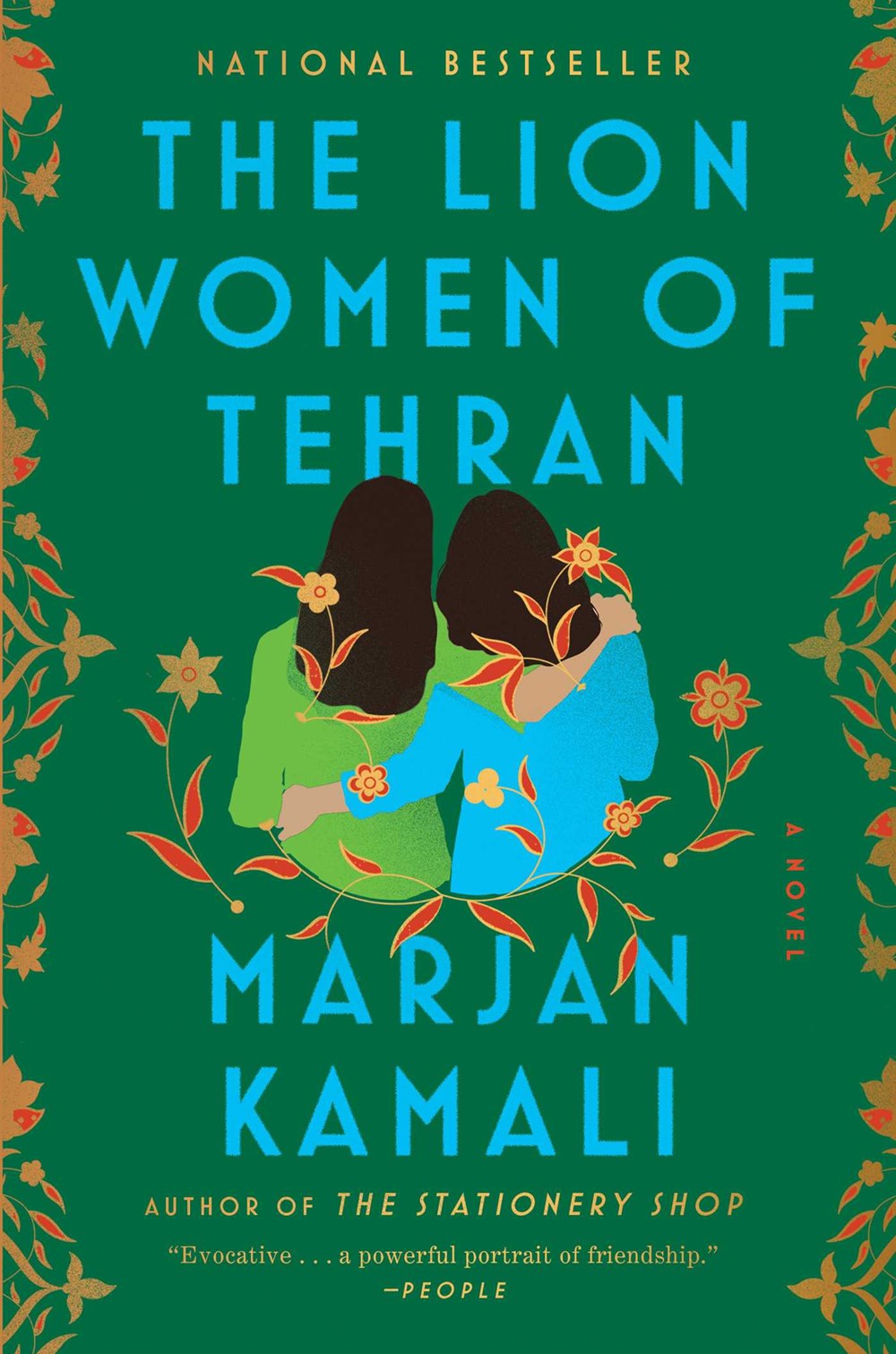


 I could spend years in a cookbook shop and never get bored. Where do I begin? I love the weirdness of cookbooks; how they capture the larger culture of a specific time-period and tell the tale through the prism of food. Take, for example, one of my cookbook treasures: The Lifestyles of the Rich and Famous Cookbook by Robin Leach. It’s a time capsule of the eighties — glass block, Dynasty-style hairdos, Brooke Shields — and the food is as awful as the fashion. Or another favorite: A Treasury of Great Recipes by Vincent and Mary Price, a collection of all the menus that the famous horror maestro and his wife collected over their world travels in the ‘40s and ‘50s and the meals that they hosted for their friends in their exquisite Hollywood home. If I could jump into the pages of a cookbook, it might be that one.