Book Buzz: The Book of I by David Greig

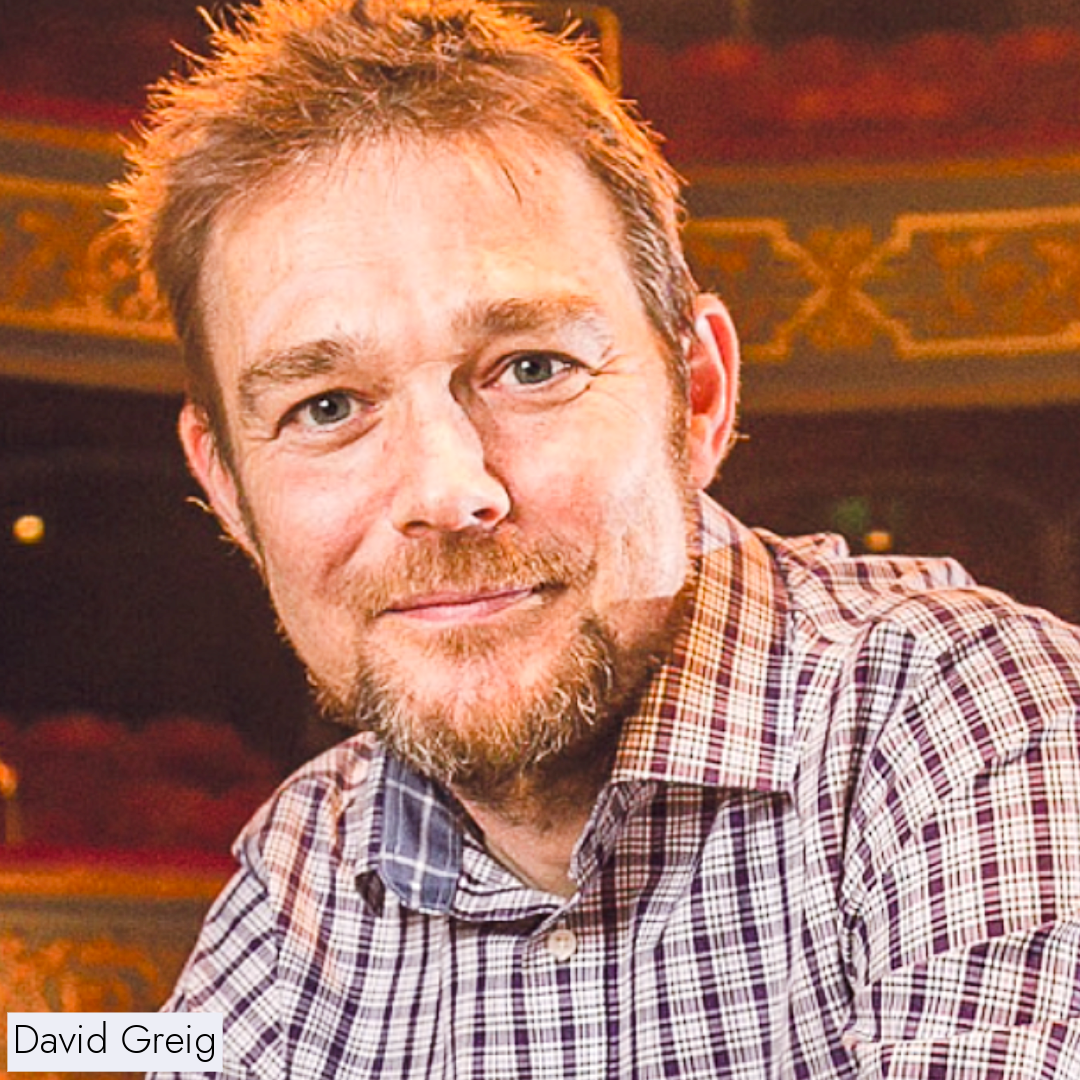 I hope I don’t give too much away, but I was quite inspired by Witness, with Harrison Ford amongst the Amish. I was really interested in this idea of a gangster amongst peacemakers, which is really what Witness is. I find that really fascinating. I became interested in Celtic Christianity because it was very revolutionary at the time in ways that we slightly forget. This was a world of utter warlordism, a very, very violent world and it was pagan. All of that was predicated on the idea that it was good to be strong and kill people. If gods were with you, that’s what would happen. If gods weren’t with you, you’d be weak. The idea of a religion that was founded on the idea that you might want to be weak, or you might want to be humble, was completely insane to these people. I mean, they looked at it and just went, “You’re mad! What are you talking about?”
― David Greig, Interview, Indies Introduce
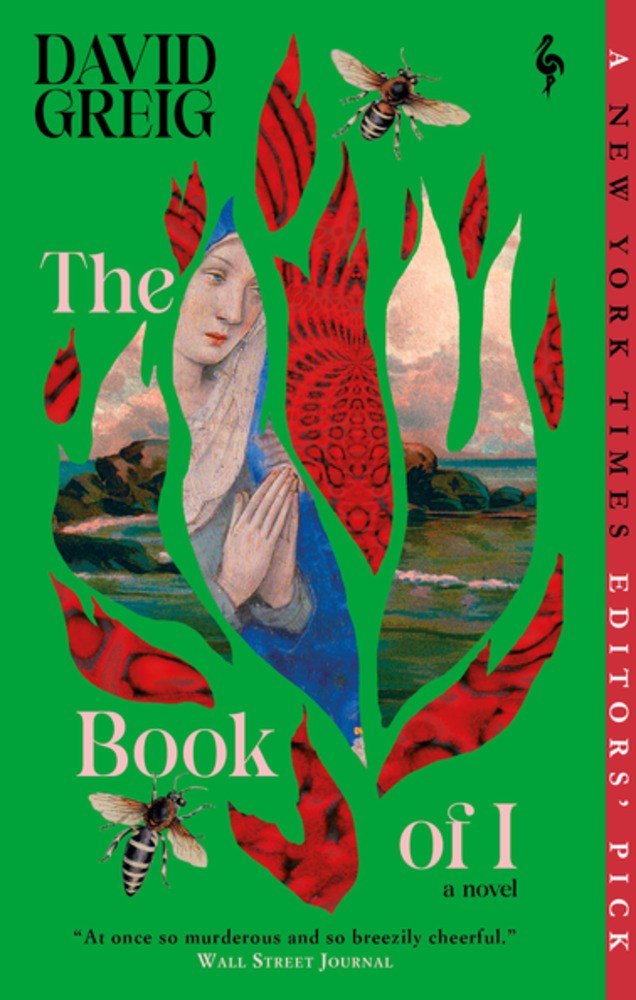
What booksellers are saying about The Book of I
- A monk, a Viking and a widow are left on an island after a devastating Viking raid. No, this is not the start of a bad joke. I had little to no expectations from this slim novel and was pleasantly surprised, especially by the humor. The characters are distinct and the setting beautifully realized. Brother Martin is the only monk left alive after the attack and concerns himself with only the spiritual. Thank goodness he has Una and Grimur to take care of his worldly needs. Grimur wrestles with his Viking ways and his new quiet life with the others on the island. Una is learning to trust again while also just getting on with the business of daily living. The fact that these three very different people with very different world views could come to live and work together not just with camaraderie but with love is a lesson we could all stand to take to heart in our own turbulent times.
― Holly. The Country Bookshop, Southern Pines, North Carolina | BUY
- In the year 825 CE, Grimur No Name (the Viking) descends with his band of berserkers upon the peaceful island of I (Iona) off the coast of Scotland. After the bloody, but ultimately unsuccessful, raid Grimur is mistaken for dead and left behind, buried in a shallow grave, with the two lone survivors of I: Martin the young monk, and Una the mead-maker. What ensues is a very funny. deceptively deep meditation on love, friendship, and faith. I loved every page of this weird, wonderful book!
― Amanda Hurley, Tombolo Books, St. Petersburg, Florida | BUY
- The Viking Age, a period marked by Norsemen raids and trade, serves as the backdrop for a compelling narrative of survival, faith, and redemption. Three distinct characters emerge from the shadows of this tumultuous era, each bearing their own burdens and stories…With an emotional journey through the beautiful landscapes of Scotland, the author does an exceptional job of writing these characters’ personal growth and redemption.
― VaLinda, Turning Page Bookshop in Charleston, South Carolina | BUY
About David Greig
David Greig is a Scottish writer whose plays have been performed widely in the UK and around the world. His theatre work includes The Strange Undoing of Prudencia Hart, Touching the Void, Midsummer, The Events, Charlie and the Chocolate Factory, Local Hero, and Dunsinane. From 2015 to 2025 he was the Artistic Director at Edinburgh’s Lyceum Theatre. The Book of I is his first novel.

Book Buzz: The Book of I by David Greig Read More »

 “Why was Anne Boleyn executed? This was a question I asked myself when writing The Beheading Game, in which Anne Boleyn wakes up after her own execution, escapes from her grave in the Tower of London, sews her head back on, and goes on a revenge quest to kill Henry VIII before he can marry his next wife, Jane Seymour. Legally, the answer is she was executed because she was convicted of the crimes of treason, adultery and incest, but most historians today agree those charges were probably false. So, how did Anne go from being a queen consort, steps from the seat of English power, to climbing the steps to the scaffold in a matter of months? Sometimes the simplest explanation is the most likely, and, although I came to many answers to this question during my research, all of them circled around one central theme: misogyny.”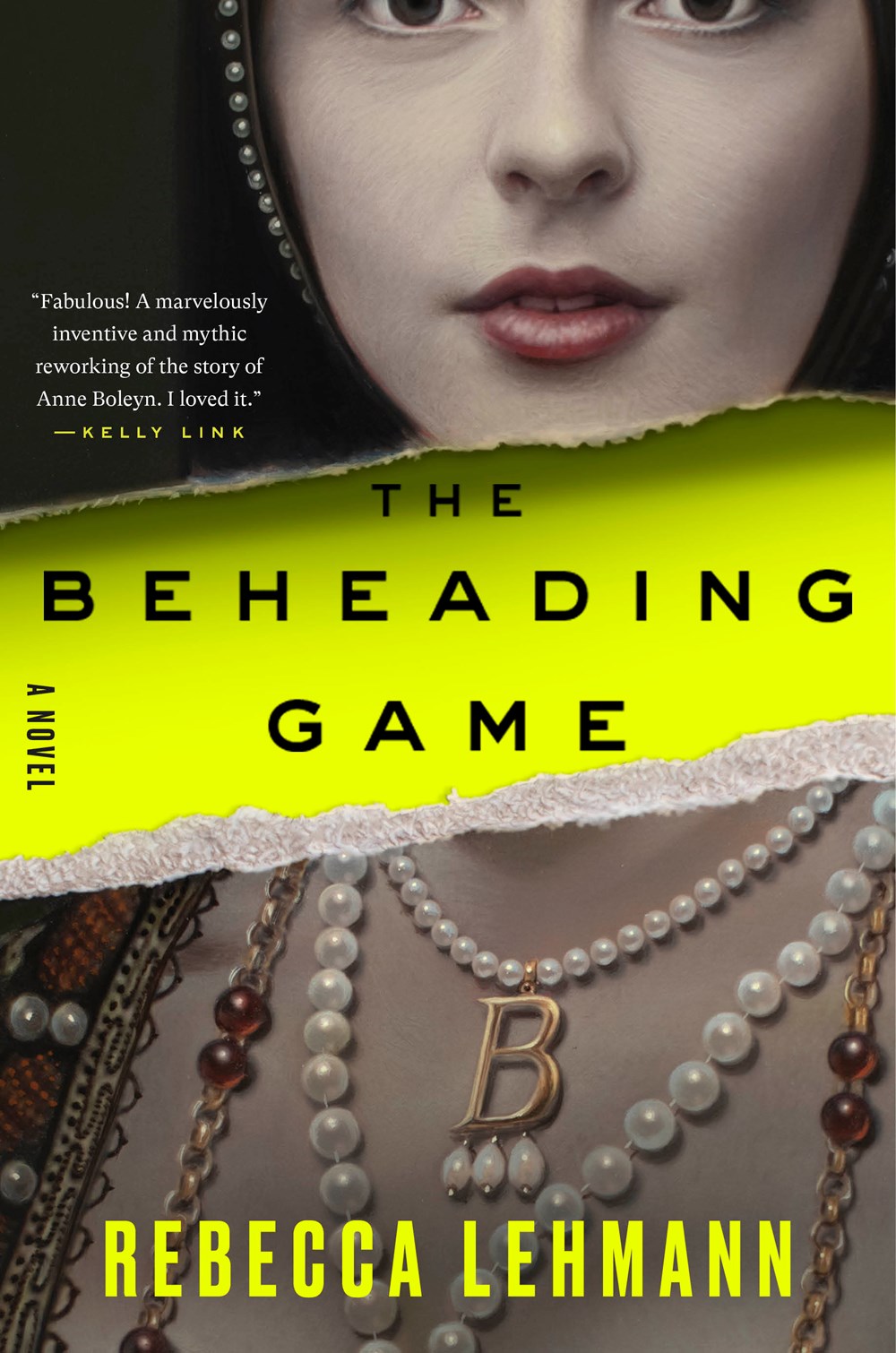


 “When we think of environmental disaster or climate change, we often think of catastrophic events—the Californian or Australian wildfires, deadly floods in Bangladesh or Pakistan, a destructive typhoon or hurricane. When events like those becomes the point of focus, we stop thinking about other kinds of destruction and degradation. I wanted to find a way to reveal what Rob Nixon called slow violence. I didn’t want the major catastrophes to entirely dominate the novel; I wanted to bring slower instances of change to the foreground.”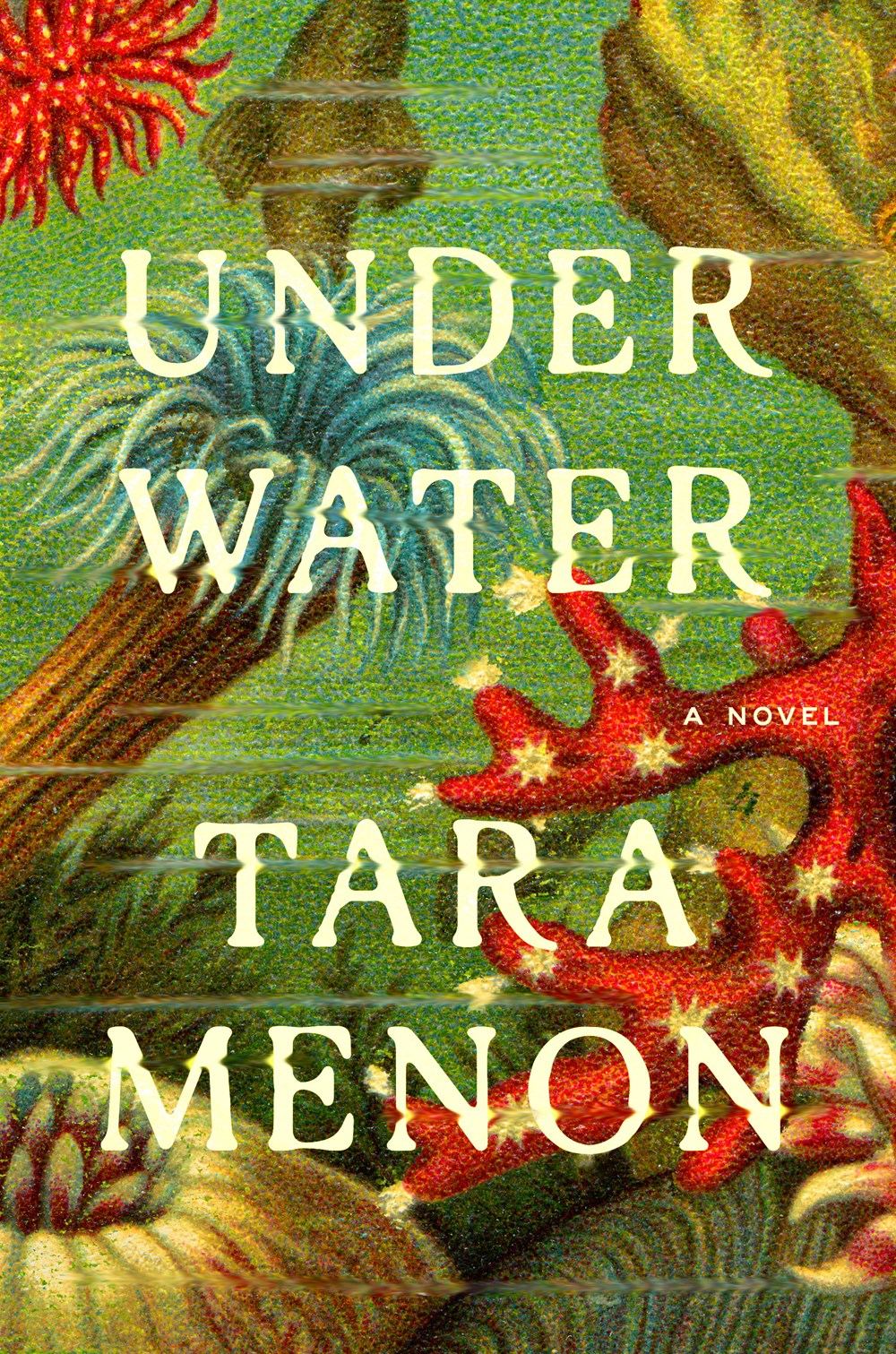

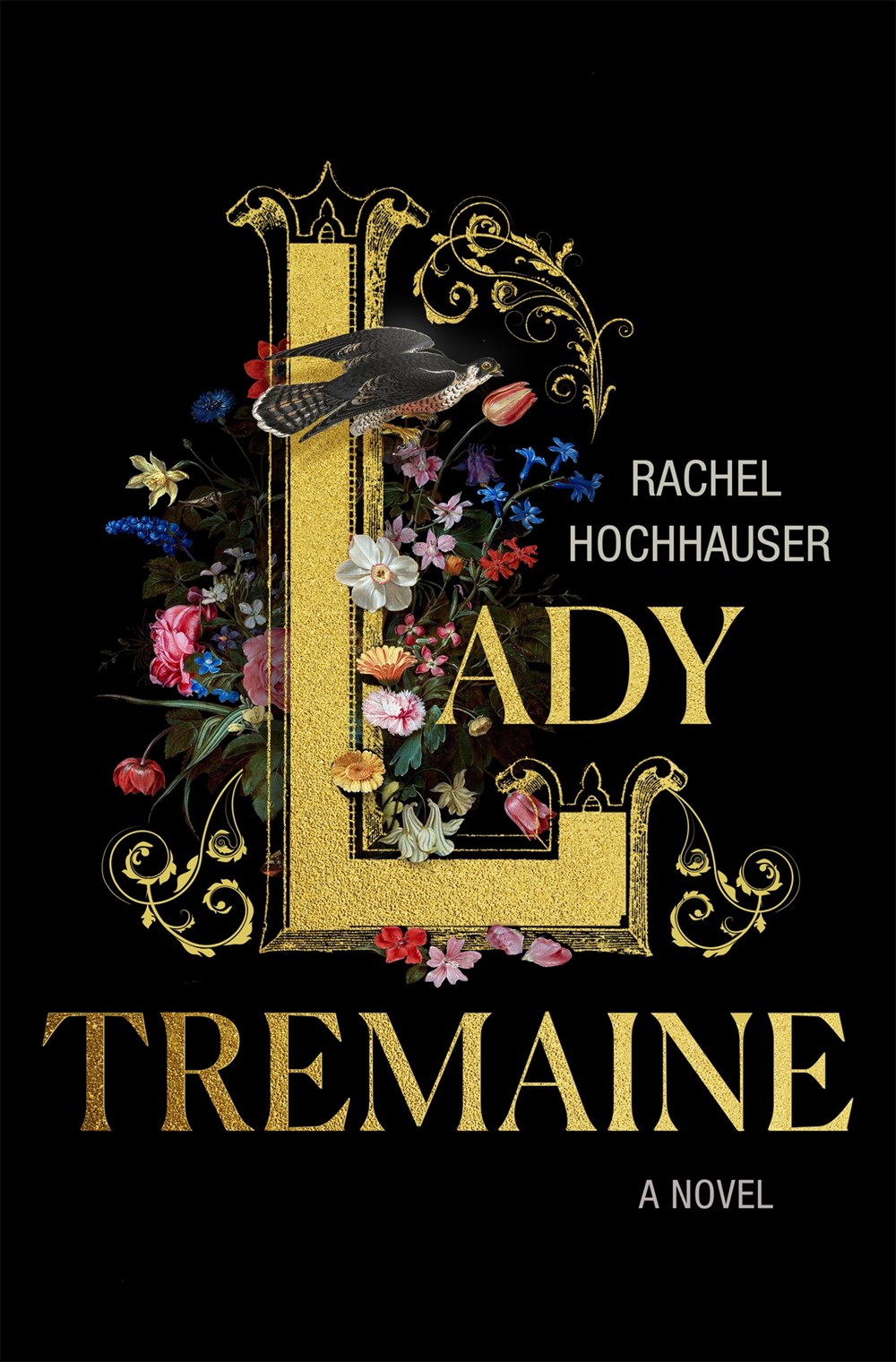

 “I am endlessly fascinated by sexuality—it’s almost embarrassing how much it shows in my published works. Similarly, I’m always exploring grief and the loss of innocence. Writing 200 Monas felt like a fun way to explore both simultaneously. The intersection between grief and sex somehow reminded me of being young, when the death of my father coincided with my spring awakening; I was always seeking refuge in romantic relationships, sexy films, and perverted conversations with my friends. I wanted to write something that captured that dichotomy in some way, this idea of being sad and horny at the same time.”

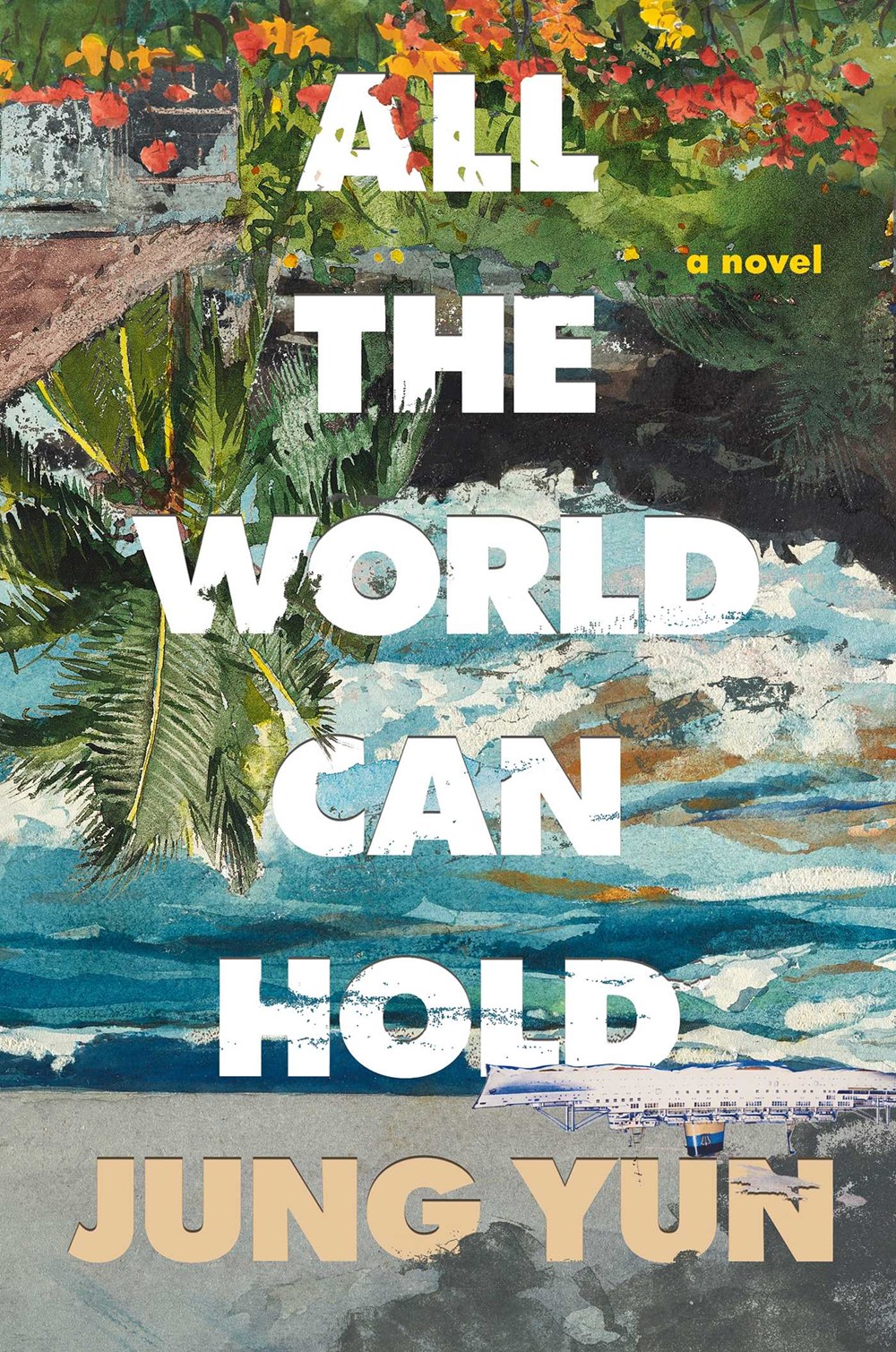
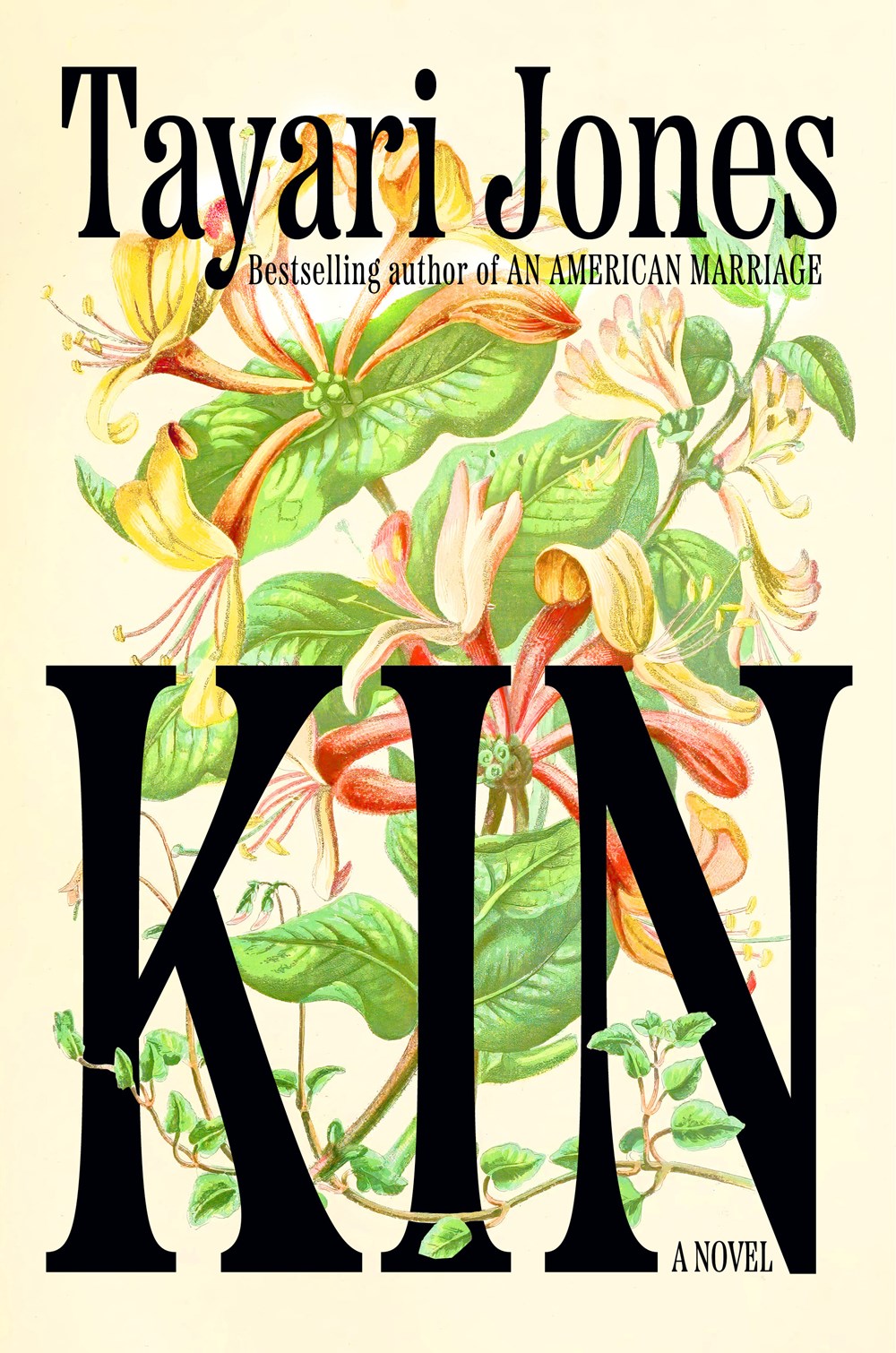

 “There are only so many stories out there—people say seven—but for me, the question is always: what is the question I want to ask?…In Kin, the question I was interested in interrogating is the idea of searching for one’s mother. The classic story tells us, of course you search for your mother. If someone says, I don’t know where my mother is, we frame it as a brave quest to find her. But I wanted to question that impulse. Is it always better to know? Is it okay not to know? Can we learn to be satisfied with not knowing? In real life, people can be satisfied with what they have. In real life, you can marry someone who isn’t the person you once dreamed of and still have a good life. In a story, that’s often treated as an unpardonable compromise. I’m trying to bring into story life the wisdom we already know from real life.”